- Published on
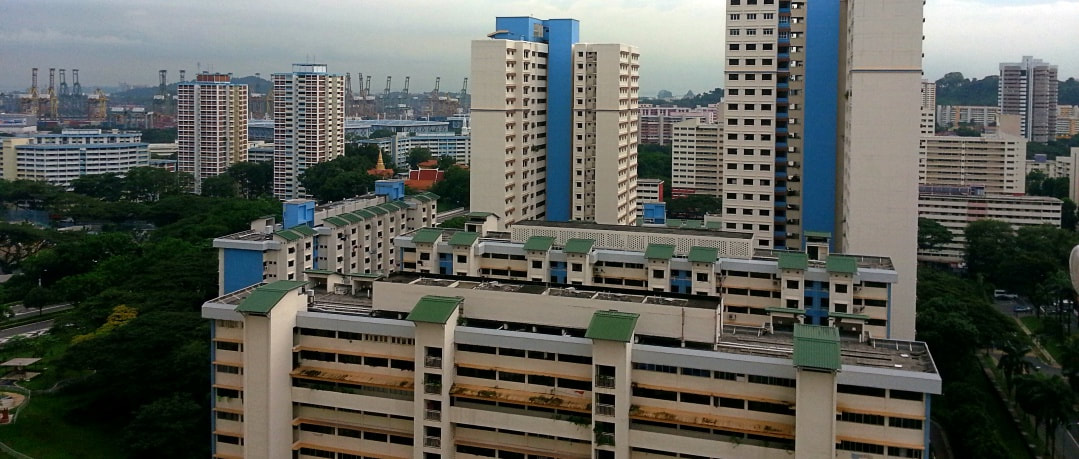
Aerial view of an HDB estate in Singapore. Photo: Khalil Adis Consultancy
In Singapore where 80 per cent of the population lives in government- owned flats, (popularly known as Housing & Development Board or HDB flats), losing the roof over your head is really a big deal.
Being government-owned, there are strict laws and regulations in place governing HDB flats. They include a minimum occupation period (MOP) of five years and a minimum rental period of six months per application when renting out your HDB flats.
According to the Housing & Development Board, this is necessary “as it may disrupt the living environment and pose security concerns for our residents”.
Take the example of two home owners whose flats were seized in 2014 for illegally renting them out to tourists. In both cases, the two owners had openly flouted HDB laws by renting them out on a daily basis.
While there is no latest data as of 2018, the numbers could be higher due to the popularity of AirBnb listings. Between January 2012 to 2014, for instance, the HDB had seized 202 flats for breaking the law.
So what can lead to such confiscations? Here are some of the common scenarios:
#1: You illegally rent out your property
Every HDB flat has a MOP of five years. us, you are not allowed to rent out your flat if you have not reached the MOP.
#2: You rent out for a short-term period
AirBnb type of accommodations are not allowed in HDB flats as the minimum rental period for each tenant must be 6 months per application. us, flat owners are not allowed to rent out their flats or bedrooms on a short-term basis.
#3: You did not register with the HDB after renting out your flat
Granted, you have fulfilled the MOP, it is still against the law if you do not register the particulars of your tenants with the HDB.
#4: Your tenants are involved in illegal activities
Illicit businesses like prostitution in the heartlands have become rife and a common problem nowadays. While the tenants are the ones breaking the law, the onus is on the owners to do regular spotchecks to make sure your tenants are not involved in such illegal businesses as this may affect the harmony of your neighbourhood.
#5: You bought a private property before the minimum occupation period is up
Owning a HDB flat is a privilege and not a right. By buying a private property in Singapore or overseas, before the minimum occupation period is up, you are essentially denying a more deserving Singaporean a roof over their head.
#6: You have not been paying your mortgage
This is a last minute resort if you have persistently not been clearing your arrears despite HDB’s best intentions. In this case, the HDB has the right to confiscate your flat. However, such households will be given alternative accommodation such as downsizing to a flat that they can afford or renting a flat directly with the HDB.
With the exception of the last scenario, losing your HDB flat can have very grave implications. Let’s take a look at them:
Implication No: 1: Financial losses
Assuming you had broken the laws, the HDB has the right to take back your flat at the price that it was purchased after deducting a penalty.
While the HDB does not leave you financially destitute, this also means you will not be able to enjoy the capital appreciation on your flat.
Let’s take the case of a property agent, Poh Boon Kay whose HDB flat was repossessed by the HDB in 2010 after he and his wife was found to have illegally sublet his home.
While they both had bought the HDB flat from the open market at S$150,000, he was reportedly paid S$125,000 after deducting the penalties. At the time of the confiscation, his flat was worth S$320,000. That’s almost a loss of S$200,000!
Implication No: 2 No roof over your head
Unlike the last scenario, because you had broken the law, you’re on your own. This not only creates a huge fiinancial burden as you will now have to either rent or buy a private property, but also deal with the emotional stress and uncertainty of not having a roof over your head.
Takeaways
While HDB is an asset, it can also lead to huge financial losses if you break the law. The takeaway is this, it is always better to err on the side of caution when it comes to government-owned flats in Singapore as the repercussions far outweigh one’s ignorance and financial greed.
This article was first published by Asian Property Review, March-April 2018 issue
- Published on

The trick to furnishing your home is knowing some design basics, the right colour scheme and the creativity to put them all together.
By Khalil Adis
In November last year, I officially became a first time homeowner.
While I was of course ecstatic after finally receiving my keys to my new home, I now have to think about doing home renovation.
Mind you, every space counts as my home is around 484 sq ft.
While I am all for doing up your house to a comfortable abode that you can call home, you should also be mindful not too overspend on your home renovation.
Instead, you should focus on doing basic renovations such as a simple coat of paint, ensuring all the electrical switches and plumbings work as all these will lead to an immediate enhancement of your property value.
As a rule of thumb, you should not be spending more than 10 per cent of the value of your home on renovations.
However, as interior design cost can run into thousands of dollars, it can be easy to overrun on our budget.
Let’s look at the cost breakdown how much it would cost to engage an interior designer in Singapore and Malaysia.
Design fees
The professional fee an interior designer charges can cost as high as RM8,000 and S$6,000 in Malaysia and Singapore respectively.
The fee covers the various design stages from planning, drawing, 3D-renderings and so on.
That’s just on design fees alone.
What about the actual renovation?
According to Qanvast, a Singapore-based online renovation platform, the average renovation amount on a typical HDB flat in Singapore costs a whopping S$56,000!
Meanwhile, in Malaysia, it can cost anything between RM40,000 to RM150,000!
That’s a lot of money!
Is there a way to save money on your renovation without cutting corners?
Yes, there is.
I’m here to share with you some design basics from my years of training as an architecture and design student at Singapore Polytechnic.
Knowing these design basics have helped immensely to cut out the middleman costs and go direct to the carpenter and contractor.
You can also do this by downloading a free online interior design software called Homestyler.
As my home is in move in condition that requires no hacking whatsoever, I am able to design around it from scratch. My home is both design and Feng Shui complaint.
I set a renovation budget at less than S$20,000 and here’s how I did it.
Step 1: Have a sense of space and colours
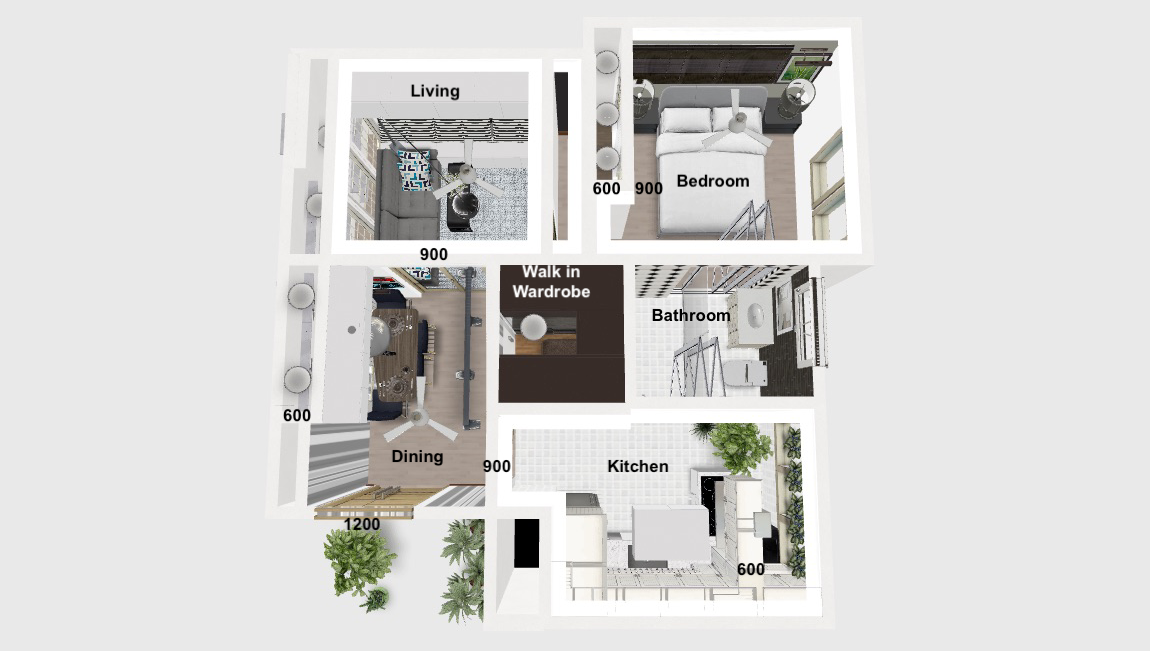
From my home’s floor plan above, you can see the clearing space for the full height cupboard that spans from the living to dining rooms, the door clearance leading from the dining to the living room, the wardrobe clearance space and the 900 mm clearance space between the wardrobe and the bed. I have given a slightly bigger clearance space for the main door at 1,200 mm.
This is especially important for a small sized apartment like mine as you do not want to end up with a home that makes you feel claustrophobic.
Typically, here are the minimum clearing space required for the following:
Doors and entrances: 900 mm.
Wardrobe to bed: 900 mm
Widths of fittings such as wardrobe, shelves, kitchen cabinets and so on: 600 mm
Now, that we have a sense of space, let’s move on to colours.
If you’re unsure what colours to use, stick to the basics and use neutral colours such as black, white, beige, grey and a hint of wood.
They are easy on the eyes and speak of luxury and sophistication.
I’ve chosen a monochromatic colour scheme for my home as they look timeless and elegant.
Step 2: Design with the end in mind
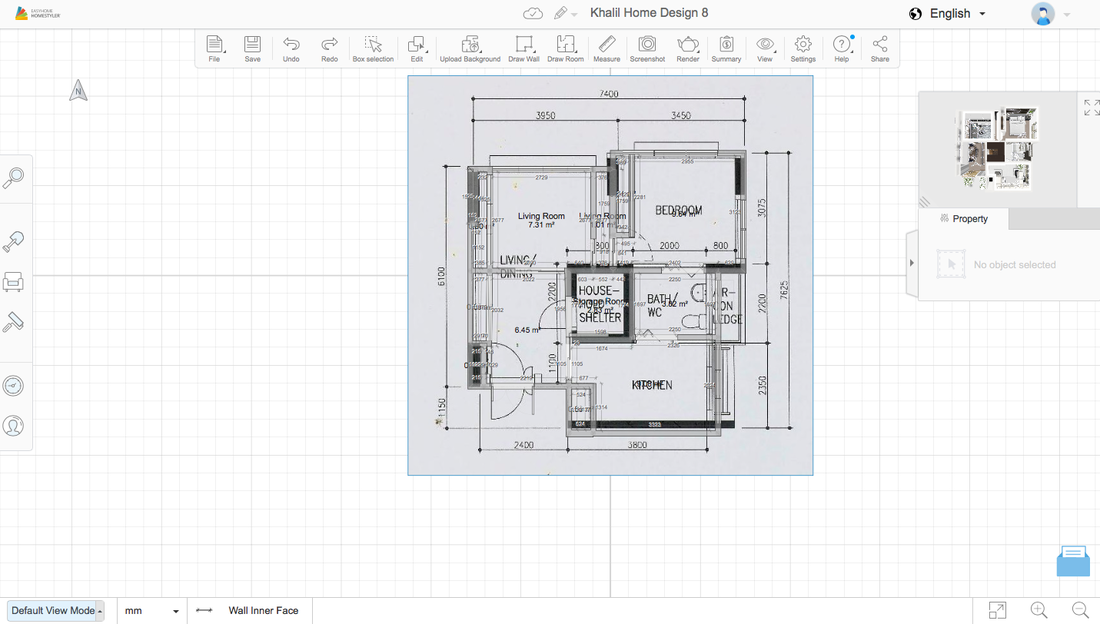
Every dream home begins with the end in mind. Use Homestyler to upload your floor plan and then trace the background until the entire floor plan is completed. Graphics: Screen grab from Homestyler
You can start by uploading your floor plan as the background and then use the measurement scale to ensure you get the dimensions correct.
Trace the background and build the rooms accordingly until you have all the floor plans completed.
You are now ready to begin the design process.
Step 3: Save spacing design
Living/dining rooms
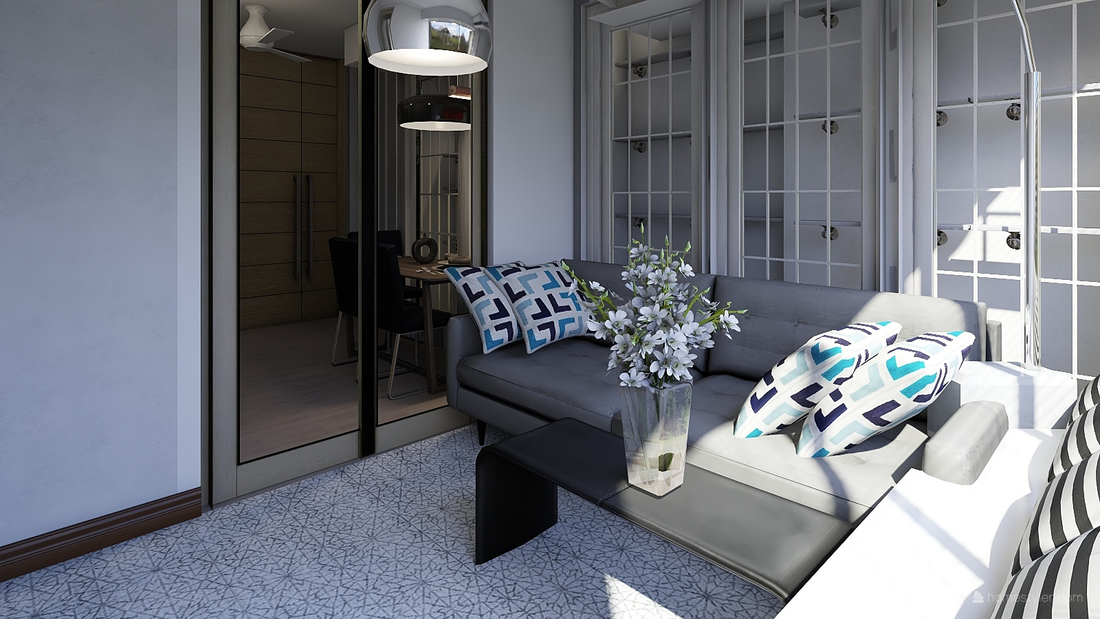
A full height cabinet that runs from the living to dining room is one of the space saving features that I have incorporated.
In this case, I have built a full height cupboard that spans from the living room all the way to the dining room that looks like a window.
This gives the impression of a bigger space while allowing me to store my things vertically.
I have also built in a ceiling mounted shelving unit just above my dining table that doubles up as a storage space and a stand out feature to place a ceiling mounted lamp for my dining area.
Notice also the vertical designed wallpaper that I have used. This is to give the impression of a bigger space that forces your eyes to look upwards. I have accentuated this with artworks and posters that are lined vertically.
For my living room, I have built a storage space on the ceiling and floor levels. The cabinet on the ceiling level doubles up as a false ceiling to give the impression of a full height window and for me to install my downlight.
Meanwhile, the cabinet on the floor level doubles up as a sofa - another space saving feature.
I have also built in a sliding door leading up to the living room that gives me flexibility in how I need to utilise the living and dining rooms.
For added space, I can always open up the sliding door.
Likewise, for more privacy, all I have to do is close the sliding door.
Bedroom
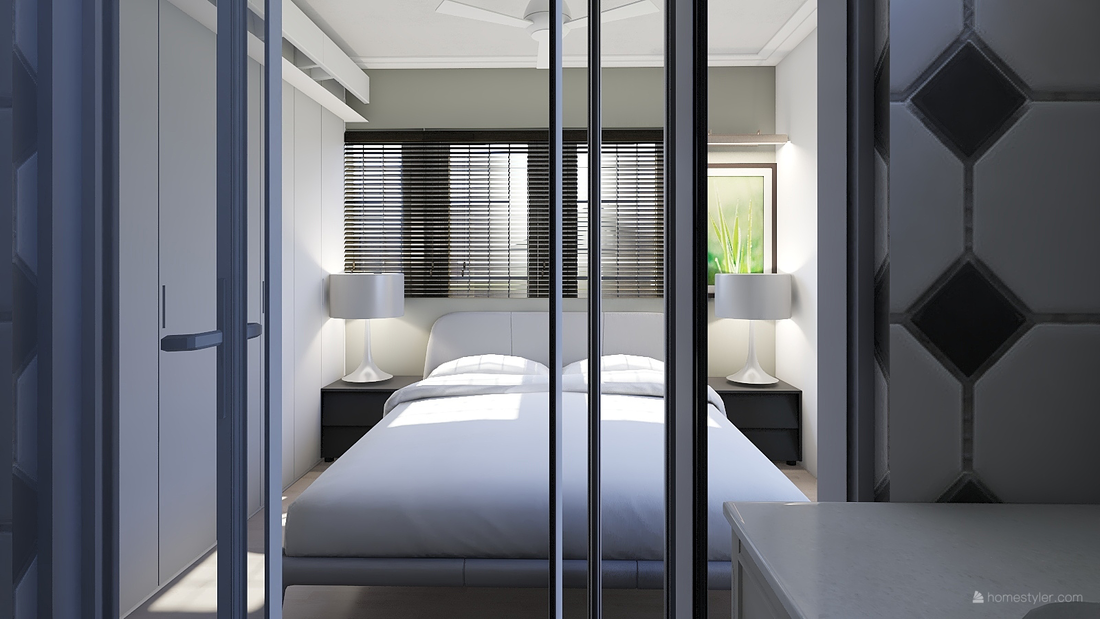
A built in full height wardrobe that utilises the entire space and gives an illusion of a seamlessly designed bedroom with no odd corners.
Again, the colour scheme is monochromatic with the main wall using a darker grey tone to make it stand out as a feature wall.
Bathroom
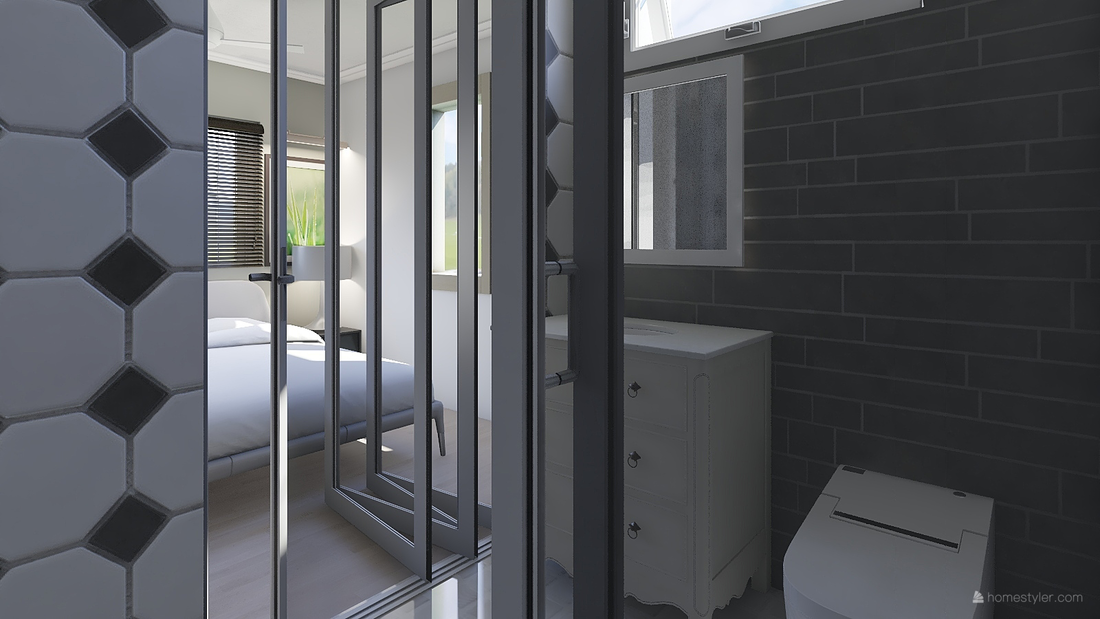
A vanity that serves as a storage space giving the bathroom an uncluttered look.
Kitchen
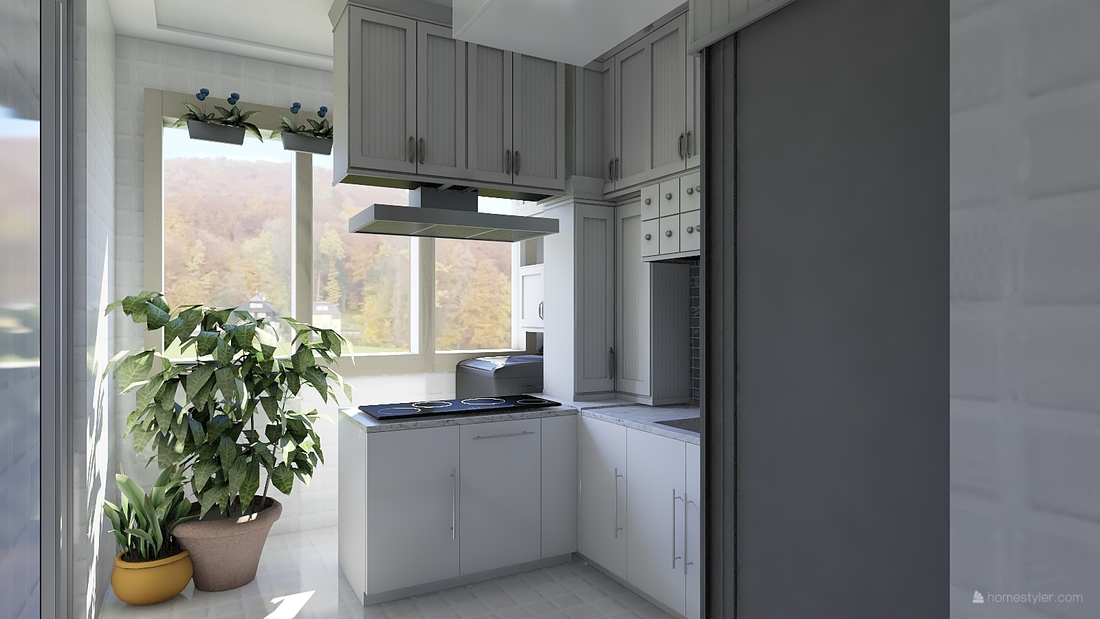
The kitchen features two distinct spaces with an L-shaped floor to ceiling height kitchen cabinet to make full use of the kitchen space
The laundry-cum-patio features a manoeuvring space of 800 mm for me to access the washing machine and to do a little bit of gardening for my herb garden. I have also built in a cabinet to tuck away all the detergents and gardening tools.
For the main kitchen, I have designed an L-shaped kitchen with the cooker hob facing the window. The entire floor to ceiling height has been fully utilised with an island ceiling cabinet in the middle. To accentuate this island ceiling cabinet, I have designed it in such a way to conceal an indirect LED light that washes the ceiling to give the illusion of a floating space. I have also tucked in the fridge within the L-shaped kitchen to give a sense of uniformity.
Storage space
I have converted the storage space into a walk-in wardrobe which can store all my clothings as well as other paraphernalia. The entire floor to ceiling height has been fully utilised.
Step 4: Conceal, conceal, conceal
This is an important step to conceal unsightly columns, odd corners, uneven walls, doors and such to give your home a seamless, smooth look
Living/dining rooms
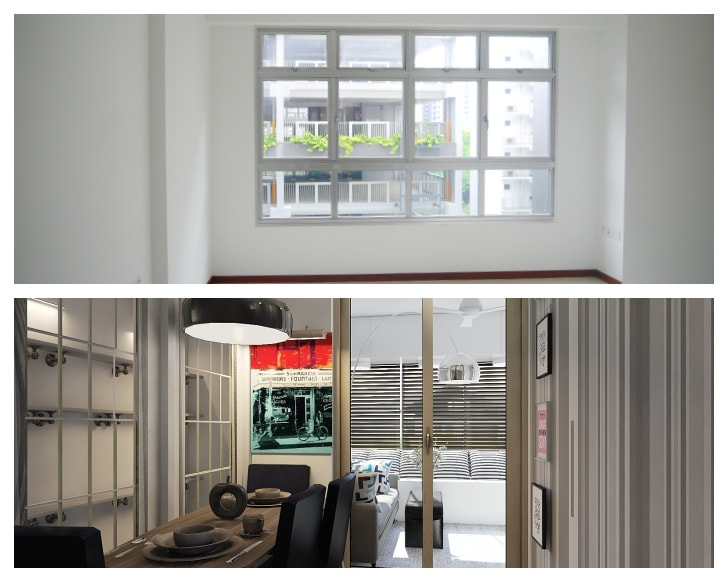
Before: Exposed column and uneven wall. After: The full height cupboard helps to conceal uneven walls and columns while the storage room door is concealed by a sliding door.
The full height cupboard not only help to conceal the uneven walls and columns but also has a space above to conceal the air-conditioning system in both the dining and living rooms with louvres.
Notice also the storage space on the top and bottom of the living room windows that gives the impression of a bay window.
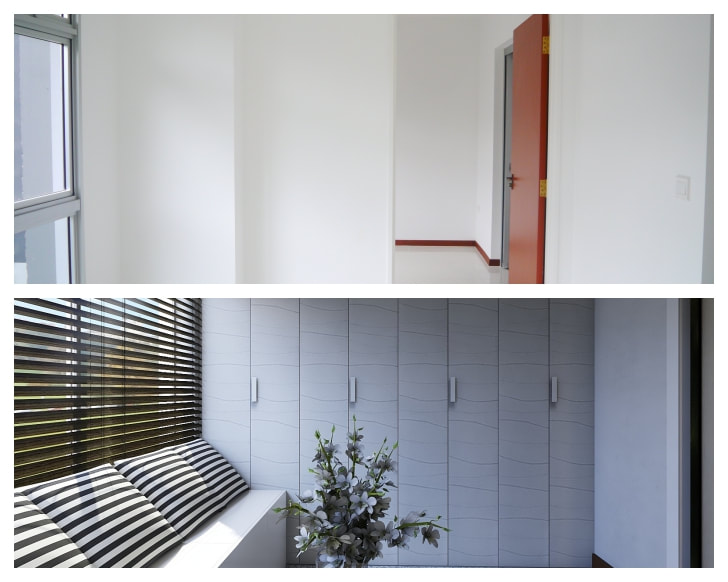
Before: Exposed bedroom door and odd corners with columns and walls. After: Full height retractable door that looks like a cupboard to conceal the TV console on the wall, columns and bedroom door.
Notice also the storage space that doubles up as a sofa in the living room.
Bedroom
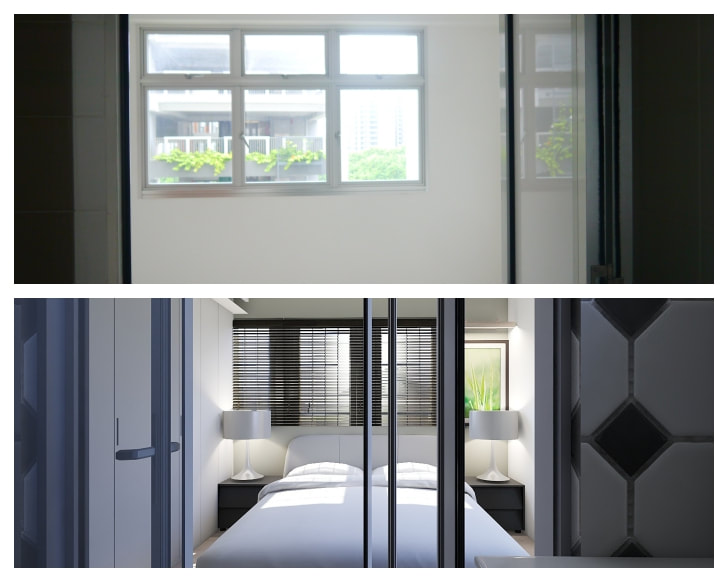
Before: Odd corner from the bedroom door to the window with wasted space. After: A built in full height wardrobe that gives a seamless look to the entire bedroom. The top of the wardrobe features a space to hide the air-conditioning system.
Kitchen
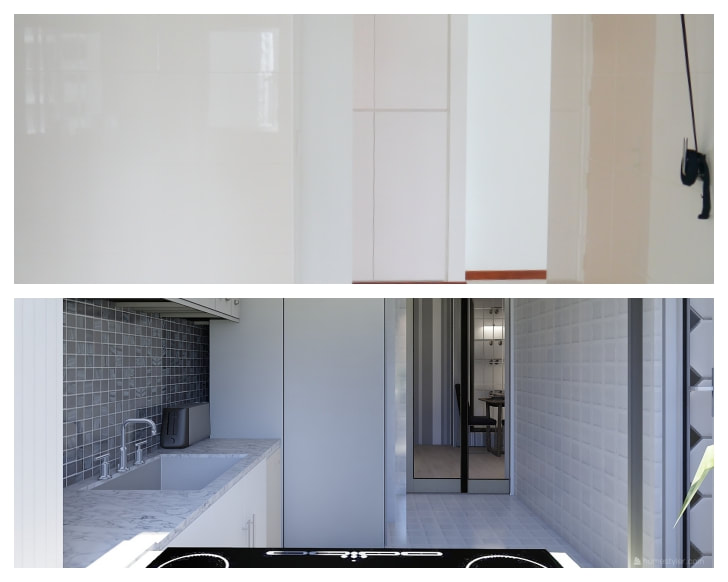
Before: Exposed entrance from kitchen to dining room. After: Sliding door and refrigerator concealed within the kitchen cabinet.
Step 5: Go direct to the contractor, carpenter and furniture wholesaler
If you really want to save cost, you have to be very hands-on in the whole home renovation project.
Now that you have all your measurements and an idea of the kind of decor you want, you can show your floor plan and 3D-renderings to the contractor and carpenter.
Usually word of mouth referrals through family and friends will give you a better pricing.
Tell them exactly what you want and get at least three different quotes.
For carpentry work, you will be quoted based on a per foot pricing. If you really are on a budget, you can choose a laminate instead of a veneer finish.
For good furniture deals, you can always go to a wholesale centre away from the city where prices are more reasonable.
There are also wholesale centre selling second hand furnitures from hotel rooms that are still in mint condition.
As for artworks and decorative items, I got mine from Chatuchak Weekend Market in Bangkok and from the art shops in Ubud, Bali.
Not only are they reasonably priced, they are also made by skilled handymen.
The lesson in home renovation is this — you do not need to spend an arm and a leg to transform your house into a home.
All you need is the basic design skills, knowing the right colour schemes and the creativity to put them all together.
Good luck!
What the experts say

President of Malaysian Institute of Geomancy Science (MINGS)
Living Room
Perfect design without much furniture to block the energy flowing in from the main entrance
Bedroom
The bed should be relocate to the most right (when looking at the bed) to avoid the toilet door hitting the bed. Ensure that the height bedside table is either the same or lower. The length of wardrobe should be almost the same like the bed, otherwise it is considered as a corner hitting the person sleeping in the bed which will affect the health
Kitchen
The distance of stove and basin is ideal based of the ration of the space

Founder of Pocket Projects, a design consultancy
Living Room
Incorporating visual connections between adjacent spaces, in this case, the living room and the dining room, helps to enhance the impression of spaciousness within the flat. Smartly concealed storage spaces are essential to making the most of a small flat. They reduce visual clutter as well as deftly converting dead spaces into useful ones.
Bedroom
Sometimes less is more, especially for small rooms. Keeping a clean, simple layout in a bedroom such as this one, allows for a calm space with balanced proportions, which facilitates rest.
Kitchen
This kitchen enjoys nice natural light and ventilation from its large windows. Using the kitchen counter and hob as a partitioning device is a good idea because it allows unobstructed light from the windows into the depths of the kitchen. It also allows cooking smells to be naturally vented out the windows with ease.
- Published on

As land become scarce, Transit Oriented Developments (TODs) will be one of the trends to watch out for in 2018 to ensure land is utilised economically. Photo: Khalil Adis
By Khalil Adis
The upcoming 14th General Elections (GE), current demand-supply mismatch and buyers who are unable to secure end-financing will have a significant impact on the Malaysian property market in 2018.
While the fundamentals in the Malaysian economy and banking system remain strong, there will still be consumers who are still unable to secure end-financing as wages have not gone up in tandem with property prices.
In terms of the economy, the World Bank’s recently released a Malaysia Economic Monitor report showing an upbeat Malaysian economy.
According to the World Bank, the country is expected to grow at 5.2 per cent this year driven by strong domestic consumption.
It also expects this to be the main driver of growth in the coming year, supported by stable labour market conditions and continued income growth.
“Accelerated growth has been fuelled by strengthening domestic demand, improved labor market conditions, and wage growth, as well as improved external demand for Malaysia’s manufactured products and commodity exports. Capital expenditure has also increased due to higher private and public investment,” said the World Bank.
Meanwhile, figures from Bank Negara showed that access to financing was not a major deterrent when it comes to home ownership. Its October 2017 report, for example, showed that loan approvals for key cities are near 70 percent or higher.
“As at end-2016, about 56 per cent of loans outstanding were for houses priced below RM250,000, while loans for houses priced between RM250,000 to RM500,000 accounted for another 25 per cent. Rejection rates for housing loan applications also fell further to 23.6 per cent in 2016. These trends are evidence that financing remains ample for eligible home buyers,” said the Central Bank.
Bank Negara’s finding has in someways helped to debunk myths in the market that high loan rejections are to be blamed for the current state of the property market.
While Malaysia’s economy and banking system remain sound, housing prices across Malaysia continued to soar at unaffordable levels.
This makes it a challenge for potential home buyers to obtain loans.
According to Bank Negara’s report, the ratio of median house price to the median household income showed that the housing affordability ratio in Malaysia by 2014 was 4.49. This indicates that houses in the country as a whole, were ‘seriously unaffordable’.
Noting the demand-supply mismatch, Bank Negara notes that Sabah and Sarawak has the highest deficit in affordable homes in 2014, accounting for 50 per cent of the total shortage in Malaysia.
“Among the four states with the highest concentration of urban population, the shortage of affordable housing was largest in Kuala Lumpur, followed by Penang and Johor. On the other hand, Selangor was found to have a surplus of affordable houses. However, this could be an over-estimation given that there is a significant number of low-cost housing in the state that may fail to meet the quality and location requirements of households,” said Bank Negara.
With an economy showing a strong domestic market, 2018 will likely see buyers adopt a ‘wait-and-see’ approach leading up to the general elections while the market will see a period of correction and consolidation due to the demand-supply mismatch and the many unsold inventory.
This, combined with buyers who are unable to secure a loan, will likely see more and more developers launching affordably priced products with creative financing schemes such as ‘rent-to-own’ and low deposits to entice buyers in the market.
Here are our five predictions to watch out for in 2018
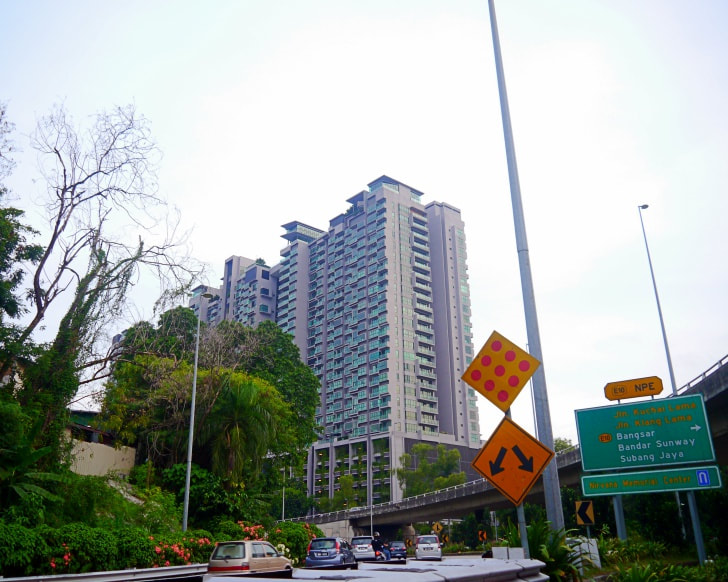
A condominium development in Sungai Besi. Sungai Besi in an upcoming growth area where you can still find pockets of areas with affordable properties but with the greatest potential for capital appreciation. Photo: Khalil Adis
Affordable is relative. With the median income for Malaysians varying from one state to another. The prices for such homes should be reflective of what is affordable in each state. In Kuala Lumpur, for instance, the Department of Statistics showed that the median monthly household income as of 2016 is RM9,073.
Assuming both husband and wife to have such income, the median salary in KL would be RM4,536.50. As such, if we were to use the income-to-mortgage ratio of 30 per cent (RM4,536.50 x 30/100 = RM1,360.95), a single KLite should not be paying more than RM307,000 based on an interest rate of 4.25 per cent with a 10 per cent downpayment over 30 years. This is where the challenge is as the entry price for homes in KL is easily more than RM600,000.
Accordingly, it will be wise for the various developers to use the Department of Statistic’s finding to build homes according to the median monthly household income in each states by using the income-to-mortgage ratio - RM8,275 for Putrajaya, RM7,225 for Selangor, RM5,928 for Labuan, RM5,652 for Johor, RM5,588 for Melaka and RM5,409 for Penang. KL will be the state with the most pressing need for such homes as it is the centre for economic activity in Malaysia. The onus will therefore fall on the federal government to ensure the supply of such homes in the market.
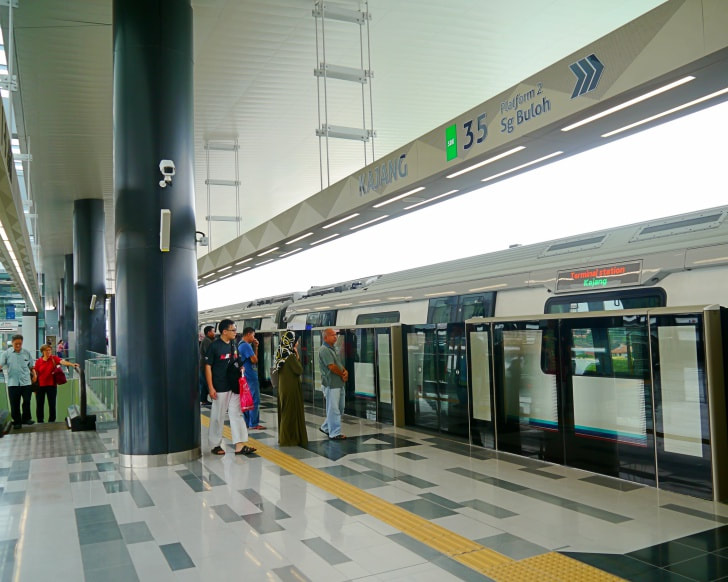
Commuters taking the train at Kajang MRT station. For TODs to work, there needs to be public-private partnership to reduce land acquisition costs and greater political will to ensure seamless connectivity to the train stations. Photo: Khalil Adis
One way to overcome the challenge in building affordable homes in KL will be Transit Oriented Development (TOD) projects. DBKL has set a development guideline for developers to build homes at around 800 sq ft but priced below RM450,000. This is possible through public-private partnership by building on government owned land to reduce land acquisition costs, leading to lower cost when building such homes.
With the recent completion of the Sungai Buloh - Kajang (SBK) MRT Line and the upcoming Sungai Buloh - Serdang - Putrajaya Line (SSP) MRT Line 2, there are several parcels of land near to the MRT stations where it is feasible to build such homes. However, the government must implement stringent laws similar to the Singapore system to ensure developers build seamless connections via elevated linkway or underground walkways for the convenience of commuters and those living in the area.
Some of the current MRT stations such as as Bandar Utama, Taman Connaught and Cochrane suffer from poor connection despite the huge amount spent on this infrastructure project that are being built next to huge shopping malls. This is a pity as they would have benefited immensely from the potential foot fall. As of now, the ball falls on DBKL’s and private developers’ courts to make this work for the greater good of the rakyat.
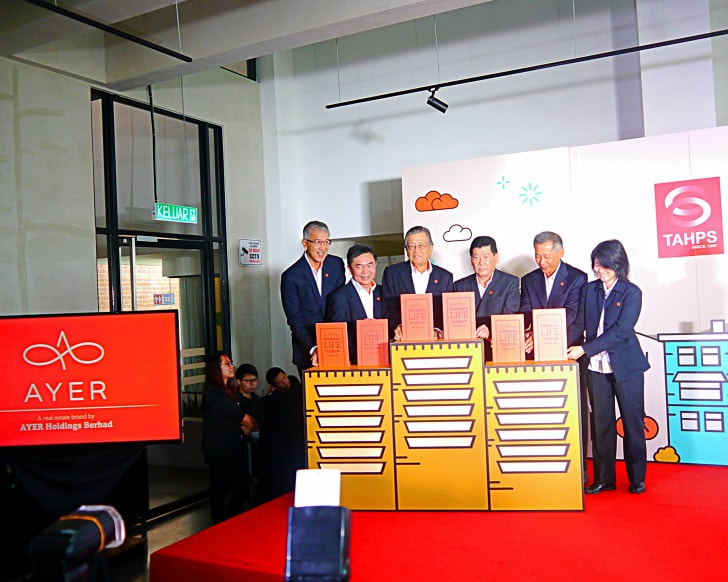
Ayer Holdings Berhad last year launched a Rent-to-Own scheme called Stay & Own for Epic Residence and Foreston.
Some developers like Bursa-listed Ayer Holdings Berhad (formerly known as TAHPS Group Berhad) have rolled out such creative financing schemes for Epic Residence and Foreston to assist first time home buyers since 2017. This is in view of the tightening of bank loan approvals margin and the softening property market.
For those who cannot obtain a loan but need a roof over your head, this scheme will assist you when you rent a unit. In Ayer’s case for instance, some of the rent will be converted as part of the downpayment ensuring you will have a home in the short-term and long-term period until you are financially sound.
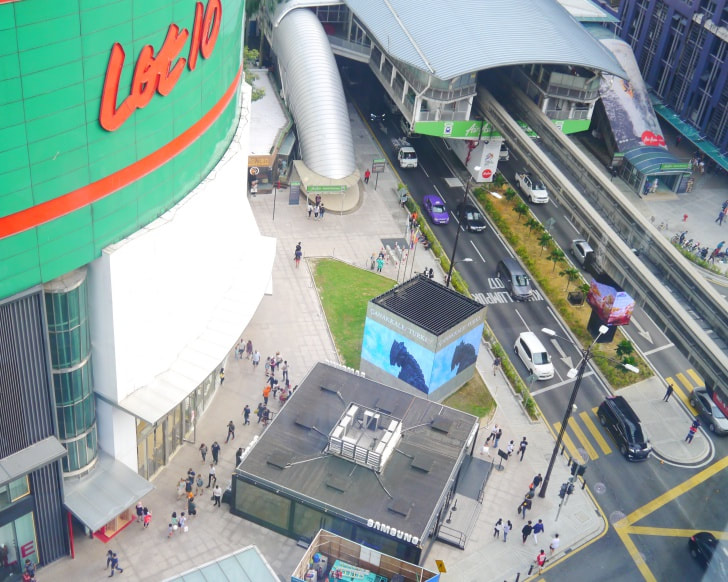
Aerial view of Bukit Bintang. Airbnb accommodations must be locate in a tourism hotspot. Photo: Khalil Adis
The combination of a relatively weak ringgit versus the Singapore and US dollar plus less stringent regulations for short-term stays in private residences have made Airbnb-type of accommodations especially popular and lucrative in Malaysia.
Imagine earning a daily rental of RM250 (that’s RM7,500 in a month!) versus RM3,000 in a month for a condominium unit! For Airbnb accommodations to work though, your property must be located in a very central location with a lot of tourism landmarks such as in Bukit Bintang, KLCC, KL Sentral in KL, Georgetown in Penang or Jonker Street in Melaka. When renting out such homes, ensure you do simple renovations such that your plumbing system, electricity and heaters work. Throw in a washing machine, toaster, television and such to ensure your property remains top on the mind of a prospective renters’ list. While Airbnb accommodations can be very lucrative, there can be downsides to it - renters from hell! Ensure you screen prospective renters carefully by checking reviews from fellow Airbnb landlords online.
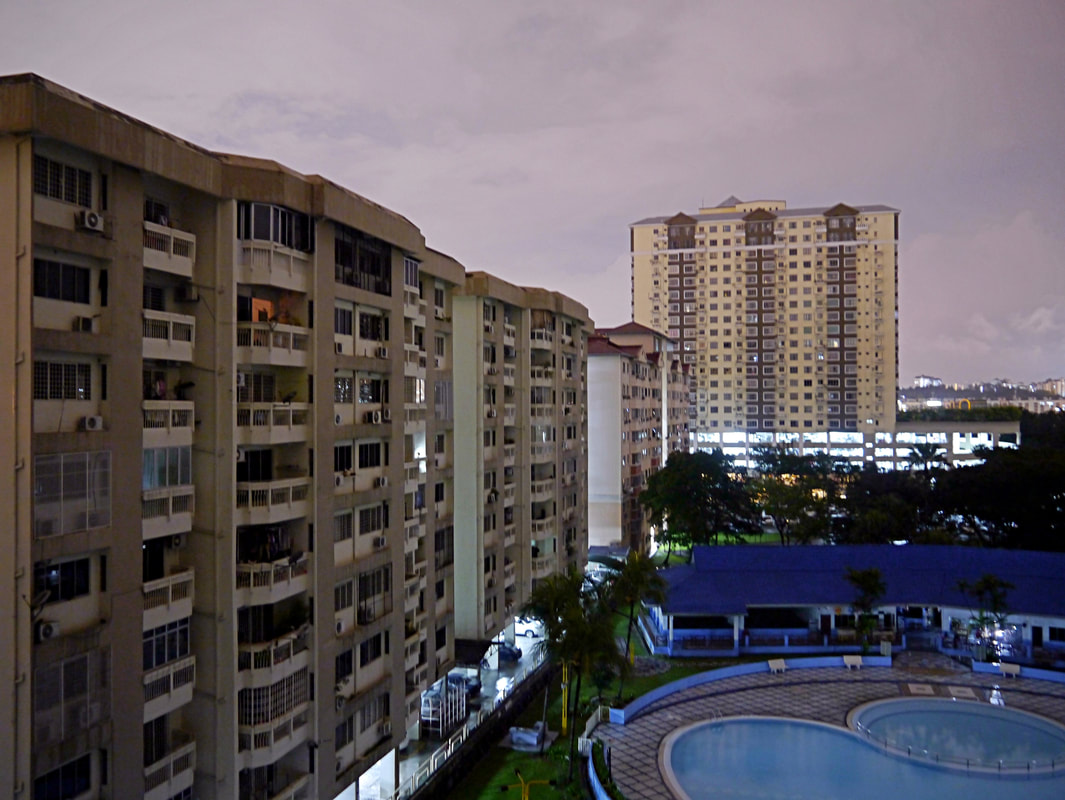
You need significant cash on hand if you want to buy a resale home. Photo: Khalil Adis
If you need a home urgently, a resale unit is the way to go as they are priced significantly cheaper, at around 30 per cent lower, compared than new launches.
This is due to the massive supply in the market that has contributed to a glut in the market, resulting in softening property prices.
The good news is this - it has become a buyers’ market with plenty of bargain hunting options!
Be prepared though to have extra cash in hand as you will need to pay a deposit, legal fees and other costs.
With so much supply in the market, sellers are more willing to negotiate with you.
As such, if you have difficulties in your 10 per cent deposit, you can negotiate your payment terms with the landlord.
Time to put those bargaining skills to practice!
Here’s wishing you a prosperous 2018 ahead!
- Published on

BOARD ANNOUNCEMENT
Khalil Adis Consultancy to strengthen its presence in Singapore with a diversified client portfolio and a new book to be launched in 2018
SINGAPORE,11 December 2017 – Khalil Adis Consultancy Pte Ltd ("The Company") today announces that its CEO, Khalil Adis, has stepped down as a board of director at REI Group Sdn Bhd effective today and is no longer with REI Mediaction Sdn Bhd.
“I would like to thank the board for the opportunity to work in Kuala Lumpur. I am excited to be moving back to our Singapore headquarter to reconsolidate and refocus on our core business covering the Singapore and Malaysian property markets but from a Singaporean perspective. We also have a few exciting projects lined up for next year that will include a 6-months public relations campaign for a Swiss-based premier wellness/spa product, JUST, copywriting and communications work for Singaporean developer, TG Master Pte Ltd, as well an upcoming book on Transit Oriented Development in KL/Greater KL. The book is expected to be out late next year and will be published by MPH Group Publishing,” said Khalil Adis.
In Kuala Lumpur, Adis has also launched its Corporate Responsibility (CR) programme called #projectspeakersgiveback with the aim of helping migrant workers to be equipped with basic neccessities. This is in line with the key message behind Adis’ best-selling book Property Buying for Gen Y.
“The motive behind this project was after learning about the plight of Nepalese migrant workers whom I had gotten to know over the years when I was staying at WOLO Bukit Bintang. Being a regular guest at the hotel, I had become friends with many of the house keeping and security workers who would always ensure my safety and security. I am especially touched by their hardworking attitude and honesty which is one of the reasons why I decided to help out. I am pleased we have delivered around RM2,000 worth of mattresses and groceries. We will continue to do so in 2018,” said Adis.
The Company would also like to clarify that it was never bought over by any entity and remains a Singapore-based privately held business entity. All business enquiries should be directed to The Company here.
About Khalil Adis Consultancy
Khalil Adis Consultancy is founded by noted property journalist, Khalil Adis. He has written two bestsellers - Get It Right Iskandar and Property Buying for Gen Y. The firm presents a myriad of services which include property and market research, public relations, due diligence, editorial, content management and speaking engagements in the property market.
Enquiries
Email: accounts@khaliladis.com
- Published on
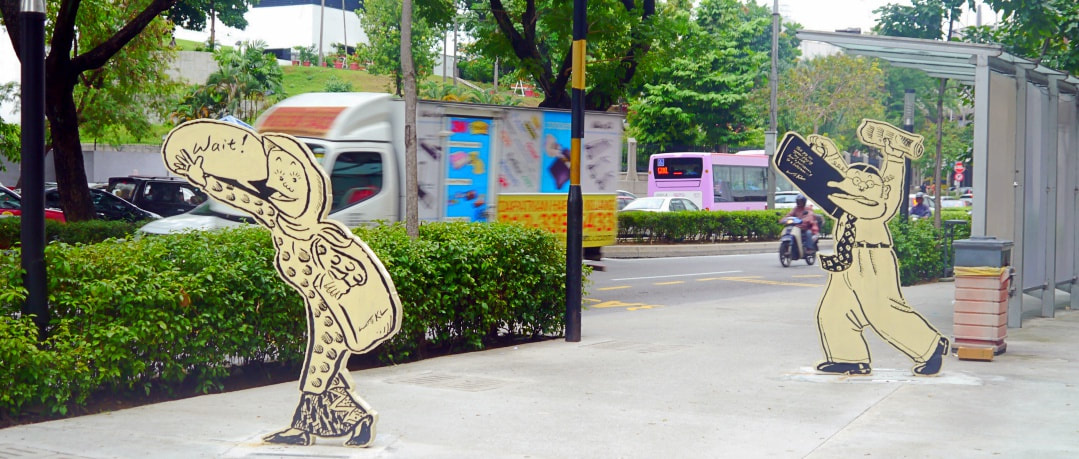
Malaysian cartoonist Lat's life-sized caricatures in downtown KL. Lat's cartoons often depicts the uniquely Malaysian life. Photo: Khalil Adis Consultancy
By Khalil Adis
Having lived in KL for almost a year, my Malaysian friends have claimed that I have become more “Malaysian-ised”. Huh, you might ask. What does this mean? Let this Malaysian-ised-Singaporean list down the six common characteristics:
#1 You order “roti canai” not “roti prata”

It's called roti canai in Malaysia and not roti prata. Photo: Wikipedia Commons
#2 You try not to pay for parking
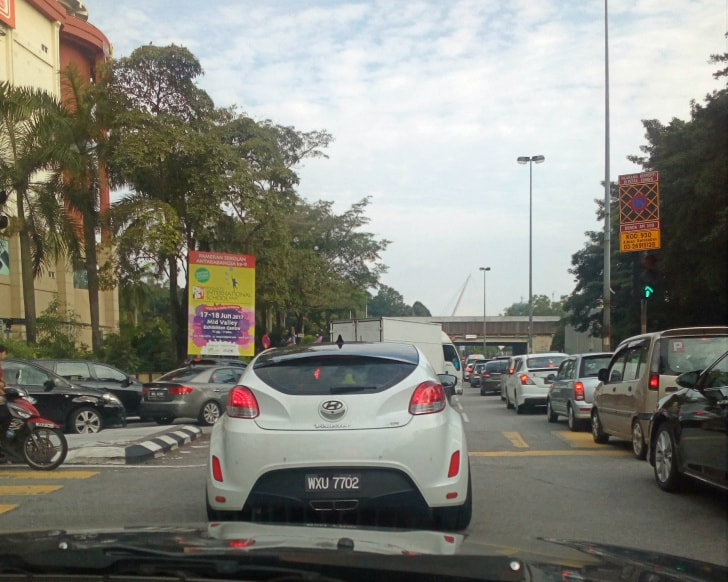
Yours truly driving pass by Endah Parade. Photo: Khalil Adis
One of the most common phenomena that I find in Malaysia is double parking. This means to double park on both sides of the road such that a four way lane has now become a one-way lane. I try not to do this as I do not want to inconvenience other drivers.
What I will usually do is to find a relative quiet area where I can park my car. I will usually do this in the early mornings at Endah Parade before heading to the gym. This saves me RM2 per day on parking fees. That’s RM60 in a month!
#3 You speak Manglish
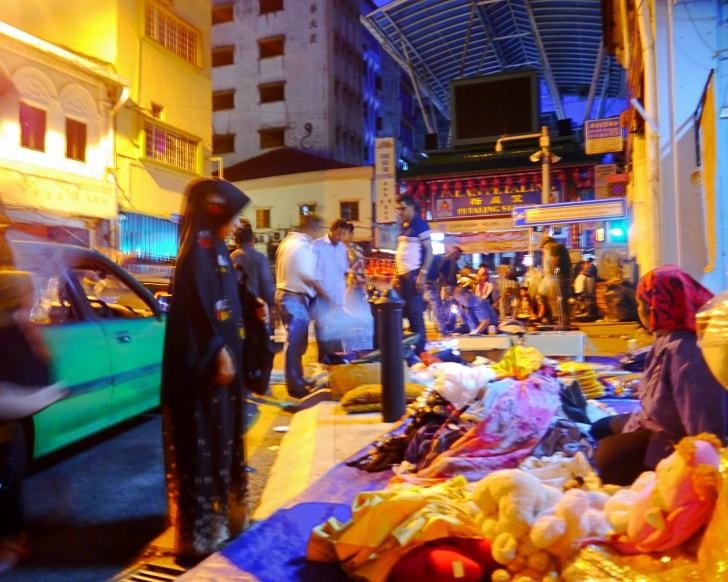
Pasar Karat in KL is a good place to practice your Manglish. Photo: Khalil Adis
A perfect example of Manglish is; “Mana you? I’m already at the mamak stall d lah!”.
(Translation: “Where are you? I’m already at the Indian coffeeshop already and have been waiting for you for the longest time!”)
#4 You type “Tq, Tq” in your WhatsApp conversations

"Tq" is the Malaysian way to express your thank you. Photo: Phone screen grab
I have yet to practice this as the writer in me still prefers to type “thank you” in full.
#5 You use the word “kut”
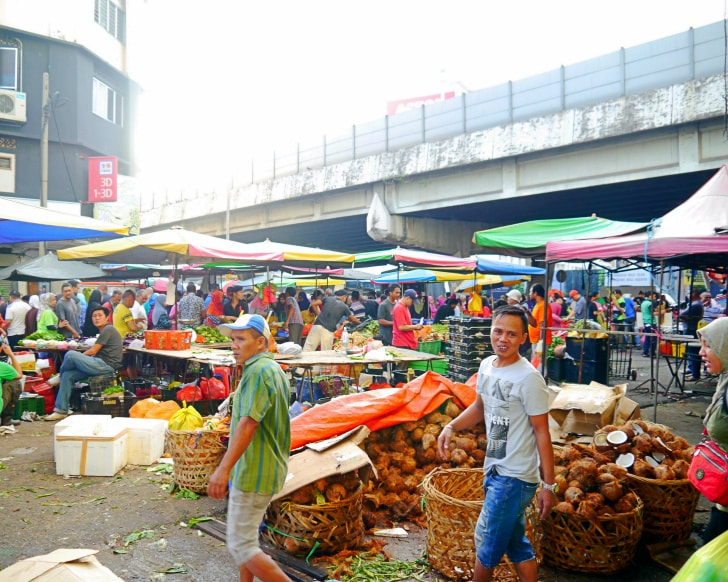
A wet market in Pudu. The wet market is also a great place to practice the word kut. Photo: Khalil Adis
“Dia sekarang dah jadi orang kaya kut!”
(Translation: “He/she is now a very, very, very rich man/woman!”)
Period.
#6 You say you’re stuck in traffic (when you really aren’t)
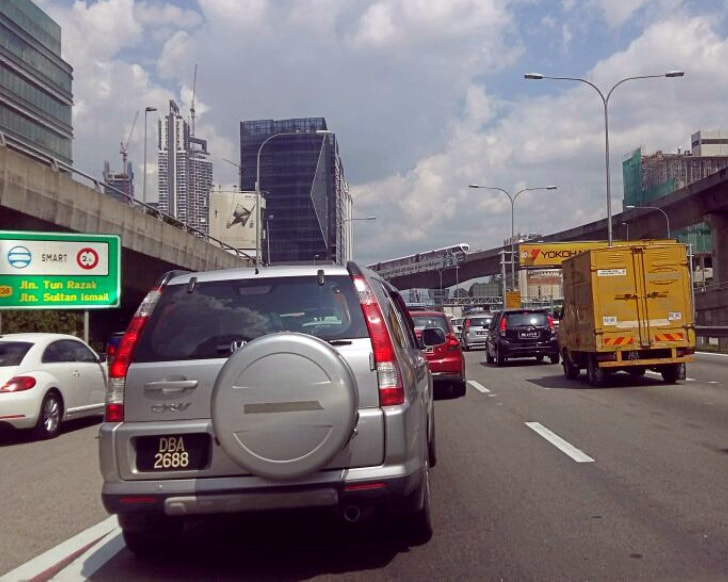
Navigating KL's notorious traffic jams. Photo: Khalil Adis
I try not to use this the next time. I promise!

Note: The above article is written from a humorous perspective based on my observations of Malaysian life and is no way meant to poke fun at Malaysians. Happy Merdeka Day!
- Published on
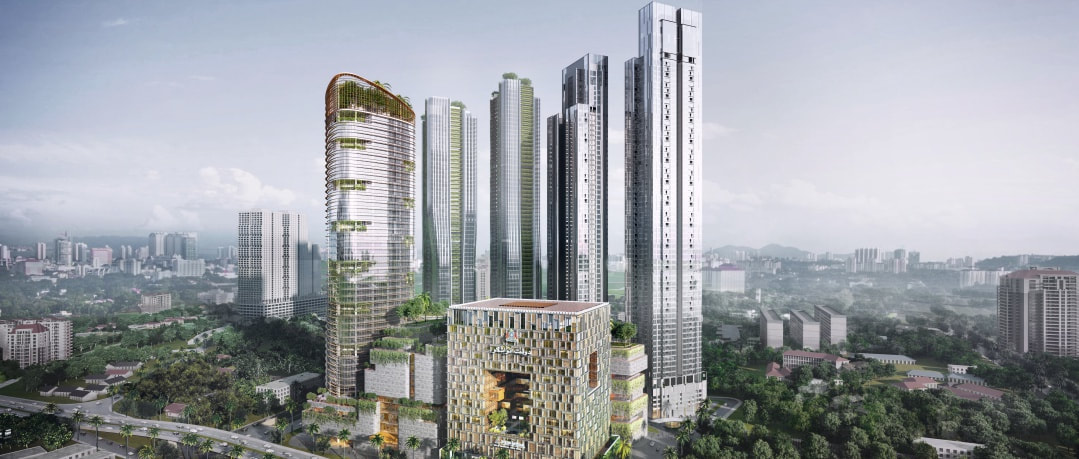
One Bukit Senyum is a mixed development which comprises twin towers of service apartments (The Astaka @ One Bukit Senyum), as well as phase two of One Bukit Senyum, which comprises of a shopping mall, grade A office tower, five-star hotel, Johor Bahru City Council’s headquarters, serviced apartments and residences. Photo: Astaka Holdings Limited
By Khalil Adis
Iskandar Malaysia’s property market received an added boost with the announcement by Astaka Holdings Limited that it has been granted node status by Malaysia’s Ministry of Finance and Iskandar Regional Development Authority (IRDA).
Located in Flagship A of Iskandar Malaysia, the node status refers to a designated area where the developer and promoted businesses can enjoy tax incentives.
“The node status accords Phase 2 of the project full income-tax exemption on proceeds from the sale and income derived from the leasing of all non-residential buildings,” said Singapore-listed Astaka Holdings Limited in a statement.
One Bukit Senyum is an upcoming RM5.4 billion administrative and commercial hub spanning 11.85 acres.
Phase 2 of One Bukit Senyum will include the new headquarters of the Johor Bahru City Council, a five-star hotel, serviced apartments and a premium shopping mall.
It will also come with branded residences and serviced residences.
“We are honoured that One Bukit Senyum has been awarded node status. This underscores the significance of our project and the trust that the Malaysian federal government and Johor state government have in Astaka,” said Astaka’s executive director and chief executive officer Dato’ Zamani bin Kasim.
“Landmark developments such as One Bukit Senyum, that is in Johor Bahru City Centre or Flagship A of Iskandar Malaysia, will attract new investments that in turn, create job and business opportunities for the rakyat. This development will also contribute to efforts to enhance Johor Bahru’s standing as one of the leading growth centres to spur the nation’s drive towards becoming a high-income nation.” said Datuk Ismail Ibrahim, chief executive of IRDA.
Astaka Holdings Limited is an award-winning property developer.
In 2015, it won Best Condo Development (Malaysia) at the Southeast Asia Property Awards (Malaysia).
- Published on

View of Forest City from the Tuas Second Link. Photo: Khalil Adis Consultancy
By Khalil Adis
The controversial Forest City project appears to have adverse effects on the local community which include reduced fishing income, increased navigational dangers, more shallow and polluted waterways, noise and dust pollution, and dangers from speeding contractors’ and construction heavy vehicles.
This is according to a finding released on 22 June by ISEAS – Yusof Ishak Institute.
The ambitious 3,425 acres project spanning four different islands has been billed by the developer, Country Garden, as “a role model of a sustainable city smart city well ahead of its time”.
However, the Singapore-based research institute’s study shows otherwise highlighting habitat damage and mass fish death, as among the biggest issues.
Titled ‘The Socio-Cultural Impacts of Forest City’, the study was conducted by Serina Rahman, a visiting fellow under the Malaysia Programme.
According to the study, Forest City “is having a major impact on its neighbouring community, Mukim Tanjung Kupang”.
The study is based on the researcher’s extended fieldwork and total immersion in the villages around the Forest City development between 2008 and 2017.
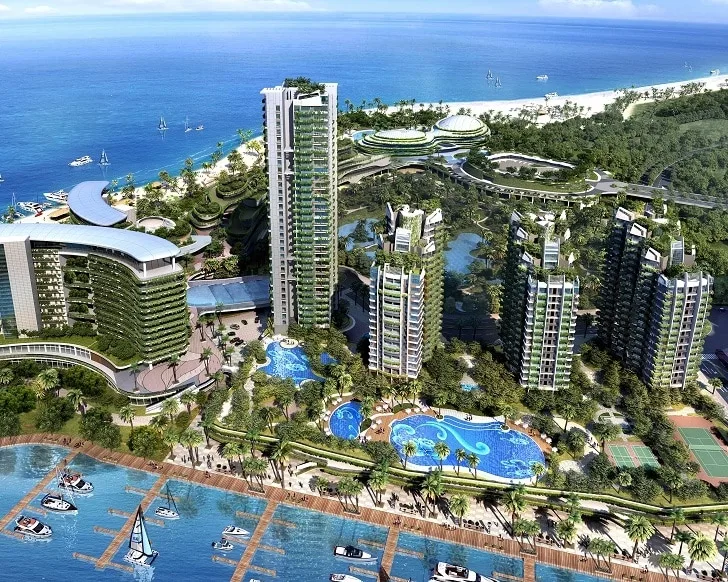
Artist impression of phase one of the Forest City development. Photo: Country Garden
Located off the Straits of Johor and within view from the Tuas Second Link, Forest City first gained attention sometime in 2014 when local fishermen had complained that it was affecting their livelihood, especially since it is located very near to the delicate Ramsar site.
However, it was Singapore’s official protest and clout on the international stage that finally brought the project to a grinding halt.
“Given Johor’s close proximity to Singapore, we are naturally concerned about any possible transboundary impacts on Singapore from property development projects that involve reclamation works in the Straits of Johor. There are also international obligations for both Malaysia and Singapore authorities to work closely on such matters. We have asked the Malaysian authorities to provide more information so that we can undertake a study as soon as possible on the impacts of these reclamation works on Singapore and the Straits,” the Ministry of Foreign Affairs said in a statement released on 21 June 2014.
The diplomatic spat attracted significant international attention and media coverage forcing both the state and federal governments to take action.
The federal government, via the Department of Environment (DOE), then intervened and asked the state government to comply with Malaysia’s commitment to international laws.
Following several diplomatic exchange, the project stopped work temporarily in June 2014.
This was after Singapore provided evidence at the Malaysia-Singapore Joint Commission on Environment in December 2014.
The DOE subsequently issued a letter to Country Garden to do a Detailed Environmental Impact Assessment (DEIA) Report.
Interestingly, this was done only after the project had commenced massive land reclamations, contravening international laws.
In January 2015, the DOE finally issued a report and set new limits on the developer reducing its size from 1,600 hectare to less than 405 hectare.
While this had resulted in a major revamp of the master plan (the initial plan appeared to show part of the island under the Second Link), the study shows the damage has already been done.
We dissect the study and list down its key findings:

Local fishermen fishing off Sungai Pendas with the Tuas Second Link at the backdrop. Photo: Khalil Adis Consultancy
Mukim Tanjung Kupang, where Forest City is located at, comprises nine villages whose inhabitants are mainly fishermen.
Of this, 250 are registered fishermen while many aren’t.
“Many others in the community depend on gleaning in the mangroves, mudflats and intertidal seagrass for their daily meals. These are the fishermen (and women) who are greatly dependent on the natural habitats for their subsistence and survival,” the study shows.
Additionally, the DEIA Report showed that the fishermen here earn an average household income figure of RM1,626.
This is based on the developer’s finding called ‘Forest City Detailed Environmental Impact Assessment’ report, after the DOE requested the developer to do so.
Citing a public dialogue in Kampung Pok that took place in September 2014, the study further mentioned a fisherman, Anuar Musa of Tg Kupang, who said that his income would be affected for the 30-year duration of the project.
Additionally, he had said that “no amount of money could compensate him for the shrinking catch that he was seeing ever since reclamation began.”

Mangrove swamps lining the Straits of Johor near to Tuas Second Link. Photo: Khalil Adis Consultancy
Ramsar areas are recognised as wetland areas of international importance.
Measuring 9,126 hectare, Sungai Pulai was gazetted as a Ramsar site on 31 January 2003 and is the largest riverine mangrove system in Johor.
According to the study, some 2,000 acres of this site are now gone.
Instead, it will be converted into three golf courses designed by Jack Nicklaus and an accompanying resort complex.
During the public dialogue, other fishermen had reported on mass fish deaths in the area, providing clear evidence on habitat damage.
In addition, the clearing of mangroves and secondary forest and the building of the dispersal link have also generated dust and noise pollution.
“With access to these roads immediately in front of local villagers’ homes and shops, complaints about the dust have been rife. Houses are reportedly full of dust even when windows and doors are shut, and freshly laundered clothes hung out to dry come back covered in dust. Villagers on motorbikes and bicycles suffer from dust inhalation and particles in their eyes as they ride past these access areas. There have not been any studies or monitoring of local residents’ health issues as a result of the development. A few restaurants and food stalls close to the new dispersal link have shut down because of the pollution,” cites the study.
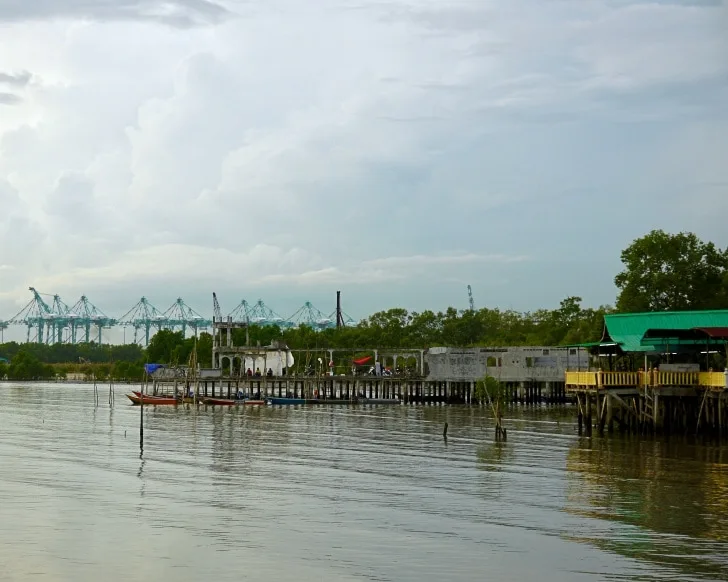
A seafood restaurant that also doubles up as a kelong near to Port of Tanjung Pelepas. Photo: Khalil Adis Consultancy
“Some former fishermen take on other work to supplement reduced catch and increasing petrol costs, heading back to sea only when there is a guaranteed harvest. Most young men work in the port or in the private sector as lorry drivers, Rubber-Tyre Gantry (RTG) operators, factory workers, security guards, cleaners and other technical jobs,” the study says.
Local women are also affected.
“Several women supplement family incomes with online sales of cosmetics, baked goods and other items. Some in the community commute to Singapore for work in factories or as cleaners but usually for only short periods of time,” the study cites.
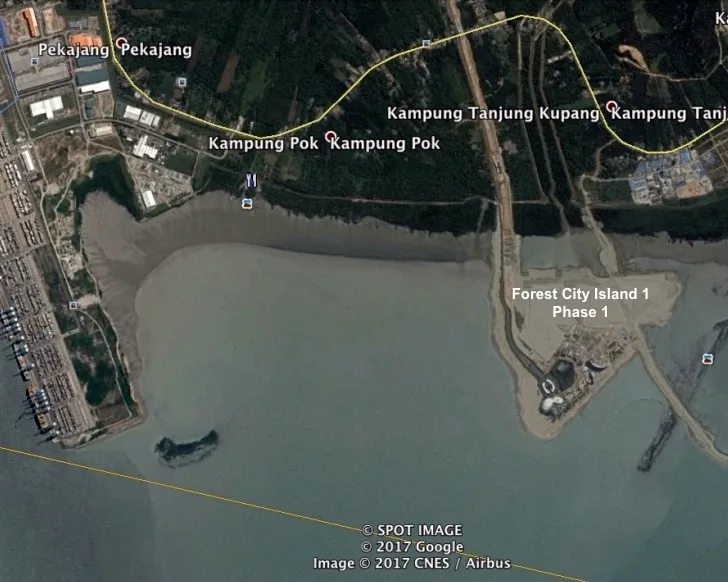
Aerial view of Forest City. The study said villagers living in Tanjung Kupang are the most affected by the Forest City project. Photo: Google Earth
This was after the DOE’s intervention and the release of the DEIA Report.
“It held several community engagement meetings and gathered input from villagers through a number of local workshops. In addition, a new law was passed that taxed developers for every square foot of reclaimed land and used the proceeds to create a fund for fishermen impacted by the reclamation works. Approximately $30 million was projected to be collected, including from projects already underway. The Johor chief minister championed the program as evidence that Johor was taking care of its fishermen,” MIT’s report cites.
ISEAS – Yusof Ishak Institute’s study concurs with this: “Since the stop-work order, there has been visible effort by CGPV staff to engage with the community. Several have proactively asked how else they might be able to support the villagers and meet their needs.”
However, it notes that only registered fishermen were eligible for compensation.
This compensation was only announced during the public dialogue where RM3 million was handed over from the developer to a group of community and fishermen’s representatives.
The first tranche disbursed was RM3,000 per fisherman with an additional RM1,000 given to those who owned boats.
This was paid soon after the public dialogue.
Subsequently, there were two other disbursements of between RM1,000 to RM3,000 each.
“The fishermen who were deemed eligible to receive these funds have been given about RM10,000 (S$3,200) each since the project began. Some of those without licenses but depended on fishing for their livelihoods were deemed ineligible for compensation,” the study cites.
According to the study, those awarded compensation were decided upon by the South Johor Fishermen’s Association and the head of each jetty.
However, many unregistered fishermen were unable to claim compensation as they, according to the study, “either fish for supplementary incomes or are unable to get fishing licences”.
“With fishing licences no longer being issued, this group of fisherfolk are not eligible for compensation, assistance or subsidised petrol,” the study shows.

A fishing village located at Sungai Pendas. Photo: Khalil Adis Consultancy
“Aeron Munajat, CGPV’s Head of Corporate Communications revealed that CGPV spent more than RM1 million in 2016 alone supporting school programmes, workshops and courses, as well as contributing to the South Johor Fishermen’s Association, among others,” says the study.
As part of the compensation package, the DEIA Report had recommended that a ratio of at least 30 per cent be set aside for locally sourced employees.
However, not everyone has equal access to these compensations.
“The developer and the project’s proponents’ compensation and local employment efforts have not always reached those who need them most as opportunities are often reserved for the well-connected or appointed village representatives. Other local applicants often lack relevant work experience and face language and cultural barriers,” the study cites.
Additionally, the study shows that many villagers do not seem to be aware of the opportunities available.
The study notes the following: “Those who proactively asked for jobs were reportedly discouraged by middlemen and agents. Several have complained that opportunities to sell goods to construction workers (within and just outside their quarters) have gone to vendors from outside the community.”
Employment opportunities also come in the form of setting up shops.
Again, this proves to be problematic.
“Others comment that they cannot afford to pay the ‘rental’ rates imposed on those who take up stall spaces,” the study cites.
The study also conducted a survey among unemployed residents who have no political or family connections.
It said that while many were keen to find work in Forest City, the local villagers experienced a clash of cultures between local and Chinese customs, even among the local Chinese.
“Language barriers are often the primary obstacle for the villagers, with many being unable to speak English and even fewer able to speak Mandarin. Even local Chinese villagers have commented that while their children are able to get jobs in the project because of their ability to speak Mandarin, they do experience a great difference in language, work styles and attitudes between mainland and local Chinese,” the study says.
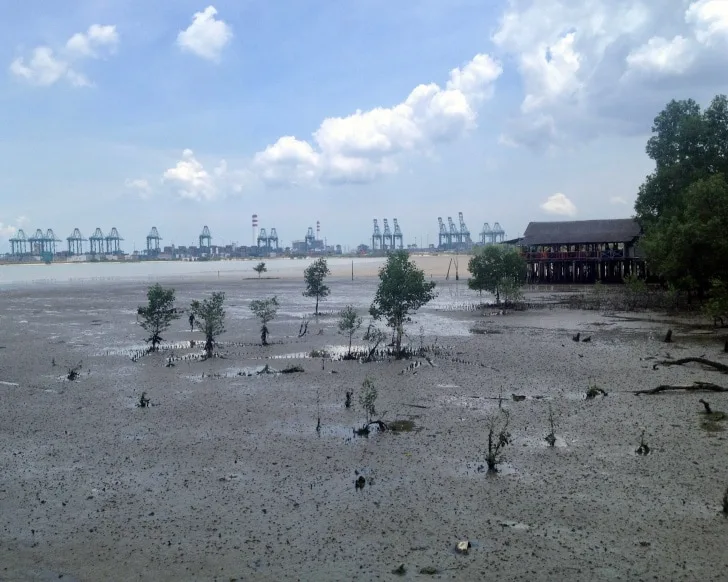
A seafood restaurant located near to Tanjung Kupang. Photo: Khalil Adis Consultancy
“Positive feedback on the development does exist, with some shopkeepers reporting better business given increased numbers of people (whether workers, contractors or visitors) to the area. This is corroborated by the number of small businesses that has been set up around the contractors’ quarters’ entrance in Tanjung Kupang. These range from makeshift food and drinks stalls to grocery shops and suppliers of services. There are also a few new hardware supply stores in the vicinity,” the study cites.

Hazy view of Forest City near to Tanjung Kupang. Photo: Khalil Adis Consultancy
“The key to this are capable and credible expertise providing accurate information and the right advice, and the involvement of all levels of the community in deciding what they need and want, as well as ensuring that compensation offered and provided reaches those who need it the most,” the study concludes.
- Published on

Have a blessed Ramadan and do remember to help those who are in need.
I know it's the era of social media and bite-sized news where catchy headlines and viral posts rule the world. However, I am going to write this blog post the good-old fashioned way and keep it real.
Anyway, can you believe it? It's been nine months since my move to KL. This time round I had overcome the initial quirks of getting to know the city. In fact, this is my first time experiencing Ramadan in KL with its vibrant street bazaar, delicious local food and not to mention the sweltering heat.
However, it's not just the weather and the culture that I had gotten accustomed to. I had also survived taking the public transport (which I find highly inconvenient) and am now driving around KL's roads. I now begin to understand when KLites say: "It is better to drive then to take public transport".
I used to think how far Pasir Ris was to Jurong until I had to drive from Sepang all the way to Sungai Besi. It felt like an endless journey! So far, I had driven to two speaking engagements wearing my Baju Melayu, explored the nurseries at Sungai Buloh, went to the Ramadan bazaars in Puchong and delivered mattresses as well as groceries as part of my #projectspeakersgiveback CSR programme. Even with the help of the Waze application, I had made many wrong turns along the way as KL's road's and expressways can be quite confusing. I take this as part of my learning experience.
Looking back, I still cannot believe that I had survived driving around KL so far. This was good as I needed that spark to write my upcoming book. For months, I have been experiencing the much dreaded writer's block when writing about the train system in KL. The challenge is writing about public transportation and its impact on the property market in a way that will resonate with my readers. I mean, public transport isn't exactly a sexy topic. In comparison, writing Property Buying for Gen Y was effortless as I wrote about the struggles I had faced following a stream of consciousness. Now that I have experienced KL's roads first hand, it has become sort of a catalyst and inspiration for my manuscript. I will put in an equal dose of humour as well. Just wait!
On the work front, it has been keeping me very busy. I used to think I work hard in Singapore. However, I work much harder here throwing in almost 12 hours a work a day, travelling for meetings which can sometimes take me to Johor and back home to Singapore. Sometimes, I go up north to Penang. It made my work ethic back in Singapore look really sloppy. I'm not kidding!
My diet has also changed drastically. Gone are the fried stuff. I now eat salads and fruits everyday. This wasn't a conscious decision I assure you as I am not particularly bright in the kitchen department. I now even have my own herb garden in my balcony. I have also signed up at a local gym which I try to go to daily when work permits. I have to say though, I feel and look so much more healthier now.
On a more serious note, I do notice that bullying in Malaysia has become rather prevalent. I would often read about it in the local newspapers and my Facebook feeds. Bullying can manifest in many forms. They veer from hurtful online comments to physical abuse. Listen, bullying is never ok. Bullies are usually socially awkward and they cower when they are confronted one to one. I say this as I had experienced this personally. I take a strong stance on bullying. If you are on the receiving end of bullying, approach your teachers, managers, friends and family members for help. We are all born differently with unique gifts and talents. Learn to accept differences and respect them. Let's take time to reflect on this during this Ramadan.
Speaking of which, I know some of you may be busy making preparations for Hari Raya. However, let us not forget to help the less fortunate as well. You can do your part to ease their burden by visiting old folks home, the orphanage and so on. On my end, I am pleased to say two dormitories housing foreign workers are now well stocked with mattresses and groceries, under our #projectspeakersgivebackproject. Initially, they were in a deplorable state and not fit for human habitation. Many thanks to those of you who had lend your hand and thrown your weight behind this project. As we are heading to the tail end of Ramadan, let's make full use of this blessed month. Remember, goodness begets goodness. May your Ramadan this year be more meaningful.
Wishing you a blessed Ramadan.
- Published on

On 21 May, Johor’s Sultan Ibrahim Ibni Sultan Iskandar officiated the grand launch and the opening of sales gallery of Bukit Pelali at Pengerang, a 363-acre project that is Pengerang’s first strata township being developed by Johor-based Astaka Holdings Limited. Iskandar Malaysia, situated within Johor, is the most successful out of the five economic corridors in Malaysia. Photo: Astaka Padu
By Khalil Adis
I recall covering Iskandar Malaysia when it was still very much in its early development stage sometime in 2008 as part of a special feature for Property Report.
Hosted by Iskandar Investment Berhad (IIB) and the Iskandar Regional Development Authority (IRDA), I had to wear rubber boots while government officials drove me around in a Land Rover over muddy roads as we cut through dense jungles and oil palm plantations in what is now known as Iskandar Puteri (then called Nusajaya) and Medini.
As we passed by what is now known as EduCity and Legoland I was blown away by the massive scale of Iskandar Malaysia’s development. It was, by far, the single largest development that I had covered when reporting on the ground.
As I headed back to Singapore to file my story, I called a few of my sources comprising analysts, and markets watchers on what they thought of this special economic zone.
“It will fail. Just look at Cyberjaya,” said one.
“Another white elephant project,” quipped another.
However, that all changed in 2011as bilateral ties between both countries started to warm .
That year witnessed Temasek Holdings announcing its investments in two sites in Medini, Iskandar Malaysia, now called Afiniti Medini and Avira.
This was followed with another S$3.2 billion worth of investment to build a township development on Danga A2 island in 2013.
As bilateral ties began to thaw, so did investors’ confidence.
At the peak of the market in 2011, Singaporeans were seen snapping up Iskandar Malaysia properties like hot cakes.
With the market now remaining somewhat muted and with concerns of oversupply, market watchers are again writing off Iskandar Malaysia.
Whether you like it or not, this “flash in the pan” has indeed come a long way. As Iskandar Malaysia celebrates its tenth year, we look back and list its five major achievements.
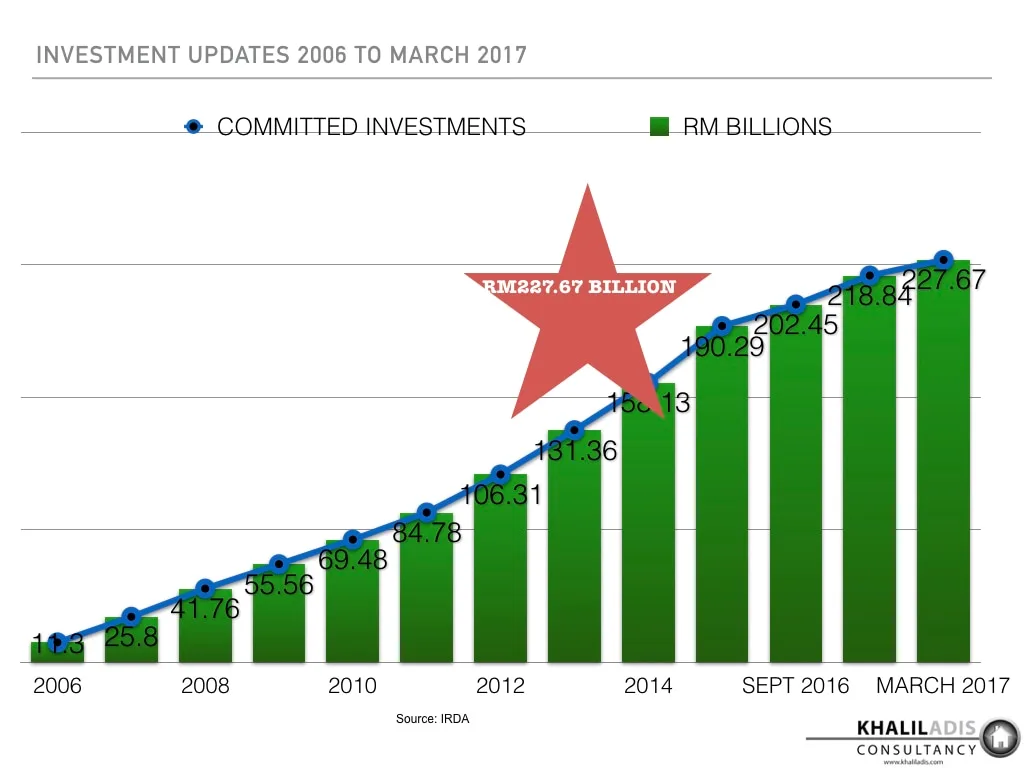
Not bad. Not bad at all considering the federal had initially invested RM5.8 billion while the manufacturing sector contributed some RM5.5 billion during its initial phase in 2006. Since then, investment volumes have grown by leaps and bounds to reach RM227.67 billion as of 31 March 2017.
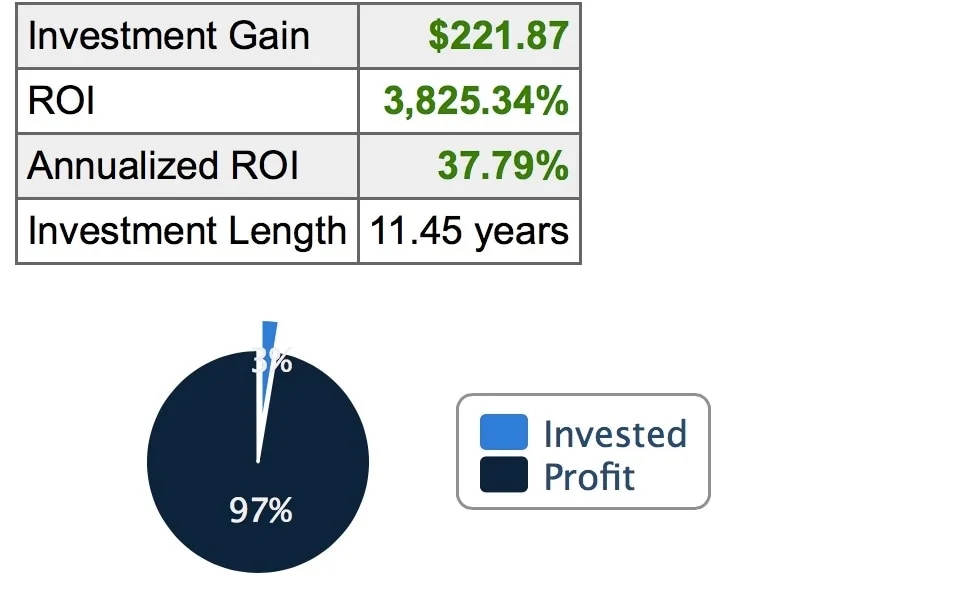
Now, let’s work on the ROI. With an initial investment from the federal government at RM5.8 billion in 2006 and a total cumulative committed investment of RM227.67 billion as of 31 March 2017 over a span of some 11.45 years, this works out to an investment gain of RM221.87 with an ROI of whopping 3,825.34 per cent! In terms of annualised ROI, this works out to 37.79 per cent. This pales in comparison to the paltry 1.0 per cent interest you get when you put your money in your Singapore bank account.
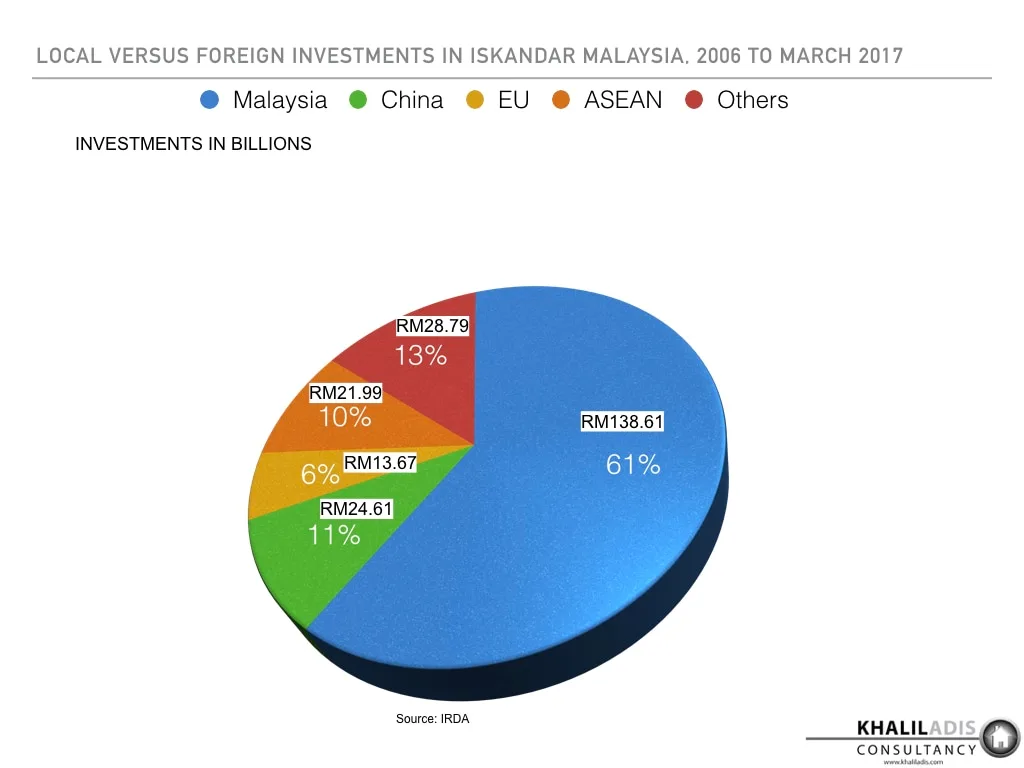
The Chinese continues to be a force to be reckoned with. Graphics: Khalil Adis Consultancy
Bye-bye Singapore, hello China! Our tiny city-state no longer holds dominance as the single largest foreign investor in Iskandar Malaysia. In fact, for the past three years or so, China has been coming in droves and snapping up land parcels from Tanjung Pelepas all the way to Tebrau. The good - state government coffers stand to benefit which will have an indirect impact on Johoreans. The bad - concerns on the sustainability and the possibility of inducing price volatility in the property market once these mammoth projects are completed.
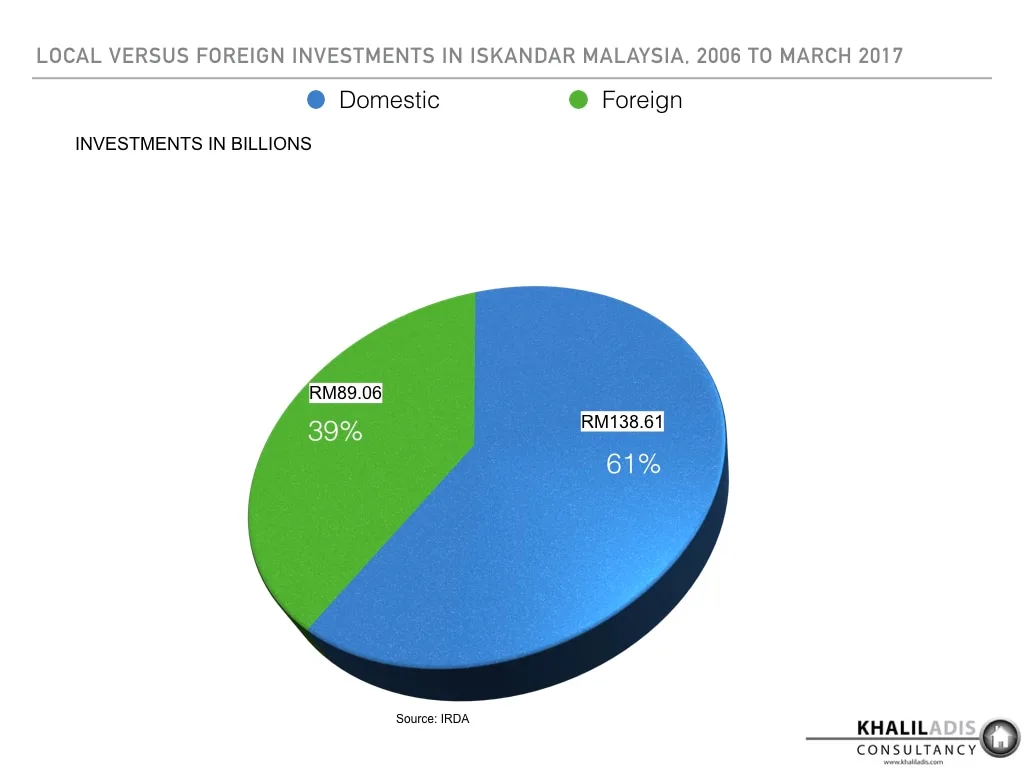
Iskandar Malaysia is very much dominated by local players. Graphics: Khalil Adis Consultancy
While some analysts have expressed concerns on the wave of Chinese investments and their potential repercussions, Iskandar Malaysia is still very much driven by domestic investments. Of the RM227.67 billion in total cumulative committed investment as of 31 March 2017, 61 per cent were driven by the domestic investments. This means, even if a foreign investor were to pull out (as in the case of Dubai’s Mubadala) or during a global economic crisis, Iskandar Malaysia can still hold out on its own due to its sheer domestic investment market size.
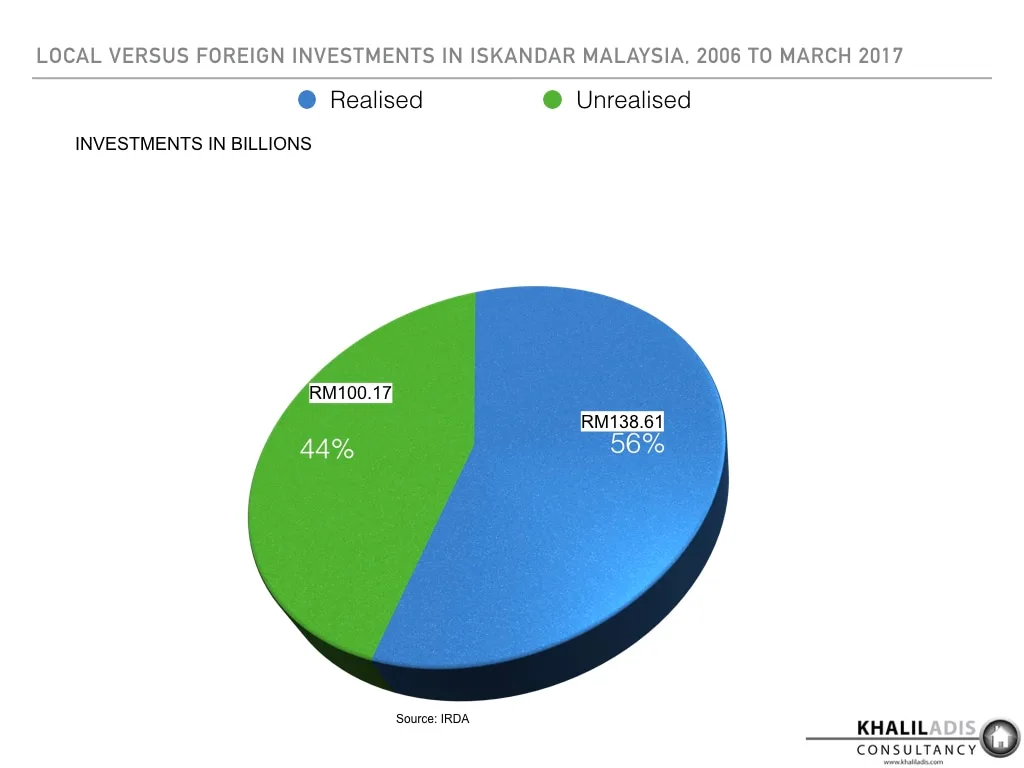
Iskandar Malaysia's projects are currently only 56 per cent completed. Graphics: Khalil Adis Consultancy
Enjoy exploring LEGOLAND MALAYSIA or dining by the waterfront at Puteri Harbour? Perhaps some of you have even used your CPF Medisave for your medical treatment at Gleneagles Hospital Medini. Well, these completed projects that you see right now are just the tip of the iceberg. There’s still the remaining 44 per cent that has yet to come on-stream such as Motorsports City, Gerbang Nusajaya and of course the high-speed rail station. Once completed, all these will create around 257,100 additional jobs by 2030 in Iskandar Puteri, according to DTZ Research.
The key takeaway when investing in Iskandar Malaysia is this - you must be in for the long-haul in order to reap fully from your investment. It’s definitely not a market for those hoping to make a quick buck or for the cash-strapped.
- Published on
By Khalil Adis
The property market outlook for next year is daunting with a general slowdown expected across all the property markets. From residential to commercial, experts at the recently concluded PropertyGuru 2017 Property Outlook Forum echoed similar sentiment.
“Based on the combined data from the PropertyGuru Property Price Index and official statistics, 2017 is expected to be another slow year for the property market. With the completion of many new developments flooding the market in 2017, there is likely to be a drop in selling price due to the lack of demand; and some may be motivated to move their units quickly due to their lack of holding power,” said Sheldon Fernandez, country manager of PropertyGuru Malaysia.
Indeed, the property market in Malaysia faces various challenges such as loan rejection by banks, rising costs of living and high unemployment rate among fresh graduates due mainly to their lack of proficiency in the English language.
In the first case, the loan rejections rate in Malaysia stands at around 40 per cent arising mainly due to non-payment of PTPTN (the National Higher Education Fund Corporation) and credit card loans.
In the second case, cost of basic good and necessities in Malaysia have gone up.
Data from the Statistics Department showed that the country’s consumer price index increased 1.4 per cent in October year-on-year.
This is slightly slower than the previous month's pace.
Government data also showed that there were increase in prices for food, alcoholic and non-alcoholic beverages, tobacco and housing.
Finally, according to the Malaysian Employers Federation (MEF), unemployment among fresh graduates as of February 2016 stands at around 200, 000.
This does not include those who have just completed their diplomas, certificate programmes and Sijil Pelajaran Malaysia (SPM).
Collectively, these factors have had a huge impact on the property sector.
Despite the bleak outlook, not all is gloom and doom in the Malaysian property market.
In fact, there are still pocket of opportunities to be sought after by savvy investors.
Here, we list down our top ten property trends to watch out for in 2017.
Trend 1: Below market value homes
One man’s loss is another man’s gain.
With the sluggish economy, rising cost of living and tighter bank guidelines, home repossessions are on the rise.
While there is no official data avialable, agents specialising in below market value (BMV) properties are enjoying brisk business as the supply of such homes come on stream.
This presents a very good buying opportunity for the cash rich buyers as below market value homes come under the hammer.
BMV properties are typically those in the low-cost and medium cost segments
From an investment point of view, buying such properties makes sense as you can buy multiple of distressed assets equivalent to buying one from the primary or resale market.
Due to the lower acquisition costs, your rental yield is higher which ensures you can cover your mortgage (if you are taking a loan) or positive cash flow if you are buying it in cash.
However, due diligence is important so hire a good solicitor and agent to help you buy BMV properties.
Be prepared to cough up extra monies for unpaid maintenance fees, utility bills and quit rent (cukai pintu)
Trend 2: Transit oriented development
I had covered this extensively from my recent article on Propwall.
For more information, please click here
Trend 3: Hotel suites
The shringgit (shrinking ringgit), as what my Malaysian friends call it, does not necessarily spell bad new for the Malaysian economy.
In fact, the falling ringgit has helped to boost tourism arrivals and spendings, especially from my fellow countrymen in Singapore.
One product you may want to look into is hotel suites.
Good markets to focus on include Melaka, Iskandar Malaysia, Kuala Lumpur and Penang.
Make sure the hotel suites have a proper management arm and are located close to places of attractions and shopping centres.
Trend 4: Retail units
Retail units are closely intertwined with the shringgit and hotel suites as tourists flock to Malaysia as the get more bang for their bucks.
When investing in retail units, make sure you go for reputable developers with a property management arm.
The best development to go for are mixed-use development comprising residences, hotels and retail.
This ensures maximum human traffic patronising your stores.
Again, the good markets to focus on are similar to the one I mentioned above under hotel suites.
Trend 5: Smart and connected liveable townships
Malaysian Gen Ys are a discerning lot and they demand a lot more than just a roof over their heads.
As such, smart and connected (and by that, we mean Wifi) liveable townships are the way to go.
Developers also need to come up with more creative ways to differentiate and add value to their developments by creating a vibrant community.
For example, in 2014, UMLand’s Taman Seri Austin became the first urban community to be selected for the Smart and HealthyCity and Community Programme by Iskandar Regional Development Authority (IRDA).
Taman Seri Austin features cycling lanes, pedestrian pathways, and two recreation parks.
Another example is Albury @ Mahkota Hills which features Gen Y friendly facilities like a gym, clubhouse and park connectors.
The development recently hosted a wedding over the weekend at its clubhouse which creates a sense of belonging and camaraderie among its residents.
Trend 6: Short term stays
Airbnb and student accommodations are in demand due to the shringgit and lack of suitable hostels respectively.
When looking at Airbnb, the ideal size would be at least 500 sq ft with a myriad of facilities like cooking, washing machines, microwave oven and so on.
For this concept to work, your property must be located close to tourism attractions like Bukit Bintang, Georgetown and JB Sentral.
One Singaporean friend of mine earns RM10, 000 a month just by renting out his loft unit located within 8 minutes walk from Bukit Bintang MRT station.
Do bear in mind thought that not all management committee in condominiums approve of such short-stay rentals.
Trend 7: Flexible work spaces
Malaysian Gen Ys are an entrepreneurial lot.
Thanks to government mooted agencies like Cradle Fund and Magix, the start-up culture here is alive and kicking.
Some of the most notable Malaysian start-ups include Kaodim and iFlix.
With this trend in mind, flexible work spaces have become ubiquitous.
Generally referred to as “hot-desking”, this trend is especially suited for those just starting out, are cash-sensitive and require computer access with printing and scanning facilities.
In Singapore, hot-desking has become such a brisk business.
If you have a spare office space, why not convert some of your area for hot-desking activities and help fellow entrepreneurs?
You can rent it to on a monthly basis on a per head basis.
Trend 8: Resale homes
If you need a home urgently, a resale unit is the way to go as they are priced significantly cheaper, at around 30 per cent lower, compared than new launches.
This is due to the massive supply in the market that has contributed to a glut in the market, resulting in softening property prices.
This has made it a buyers market.
Be prepared though to have extra cash in hand as you will need to pay a deposit, legals fees and other costs.
The great thing is this - sellers are more willing to negotiate with you.
As such, if you have difficulties in your 10 per cent deposit, you can negotiate your payment terms with the landlord.
Here’s wishing you a prosperous 2017 ahead!