|
Located within the Urban Redevelopment Authority's (URA) planning area of Paya Lebar Central, residential property prices in Geylang Serai have performed relatively well over the past two quarters. By Khalil Adis 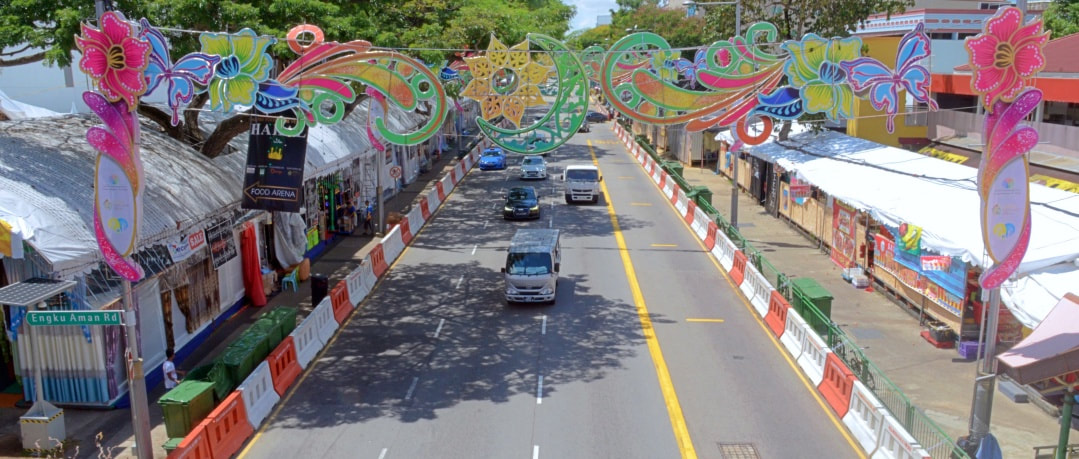 Geylang Serai bazaar by day. Photo: Khalil Adis Consultancy. Every year, Geylang Serai will come alive with its vibrant street bazaar. This year is no different but with a slight twist. Following complaints last year that the bazaar has lost its appeal due to the invasion of many hipster food vendors, the organisers have set stricter guidelines in keeping with the spirit of Hari Raya and Malay culture. This is certainly good news that will keep the unique culture of Geylang Serai alive for generations to come. Since its establishment in the 1960s, Geylang Serai has become a cultural icon that is synonymous with Malay culture and customs. Every year, Malay families will congregate here to partake in the festivity leading up to Hari Raya Aidilfitri. With Hari Raya Aidilfitri just around the corner, we decided to check out the vibrant street bazaar at Geylang Serai to find out what makes this place tick. Here are the six places that have shaped Geylang Serai to where it is today. #1: Geylang Serai Bazaar 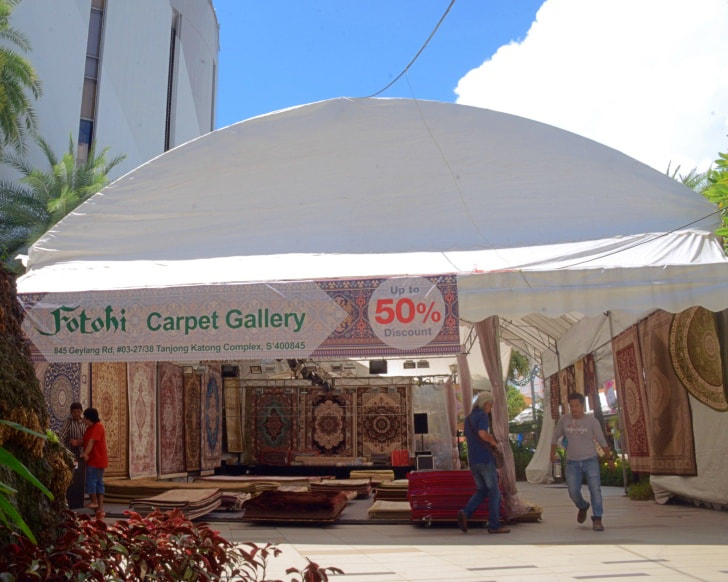 Back to basics. Many from the Malay community have welcomed the return of traditional cuisines at this year's bazaar. Photo: Khalil Adis Consultancy. Stretching from Sims Avenue, Tanjong Katong Road, Geylang Road and parts of Changi Road, this year's bazaar features over 500 stalls which are significantly less than previous years. This will allow for more open spaces for the public to enjoy when breaking their fast or just for a place for the entire family to sit down after a day of shopping. If you are looking for delicious Malay kueh and other traditional dishes, you are in for a treat. This year, the organisers, Wisma Sri Geylang, has put a guideline requiring 60 per cent of food vendors to sell food that will appeal to Muslim visitors while the remaining 40 per cent may offer "contemporary" or "hipster" options. In addition, these stalls are also required to be either Muslim-owned, certified halal by the Islamic Religious Council of Singapore (MUIS) or fulfil halal criteria set by consultants engaged by the bazaar organisers. From carpets to baju Melayu, the street bazaar is awash in bright neon lightings when night falls. For the best deals, come during the eve of Hari Raya Aidilfitri where most goods are sold at a deep discount from vendors eager to clear their stocks. #2: Wisma Geylang Serai 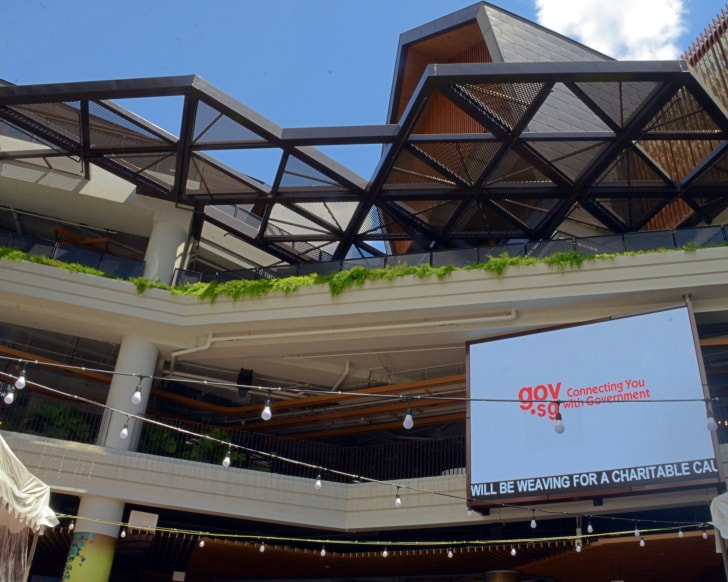 The newly opened Wisma Geylang Serai has an architecture that blends the traditional with modern designs. Photo: Khalil Adis Consultancy. Wisma Geylang Serai is the latest addition to the streetscape here. Launched in January 2019, this community civic and cultural centre is located in the heart of the Geylang Serai precinct housing the Geylang Serai Community Club, the South East Community Development Council, the Geylang Serai Heritage Gallery Family Service and Child Care Centre, Senior Care Centre, and cultural arts group and social/community-related facilities. The building draws its inspiration from traditional Malay houses with balconies (“serambi”) as well as lemongrass (where Geylang Serai takes its name from) and ketupat. The architecture features a double-pitched roof and columns that look like stilts to give Wisma Geylang Serai its own unique character. Aside from community care, Wisma Geylang Serai is also home to eight Malay Muslim organisations and agencies to provide one-stop service to the community. They include Association of Muslim Professionals, Creative Malay Arts and Culture, Lembaga Biasiswa Kenangan Maulud, Muhammadiyah, Pergas, Tabung Amal Aidilfitri, Berita Harian and Persatuan Persuratan Pemuda Pemudi Melayu. #3: Tanjong Katong Complex 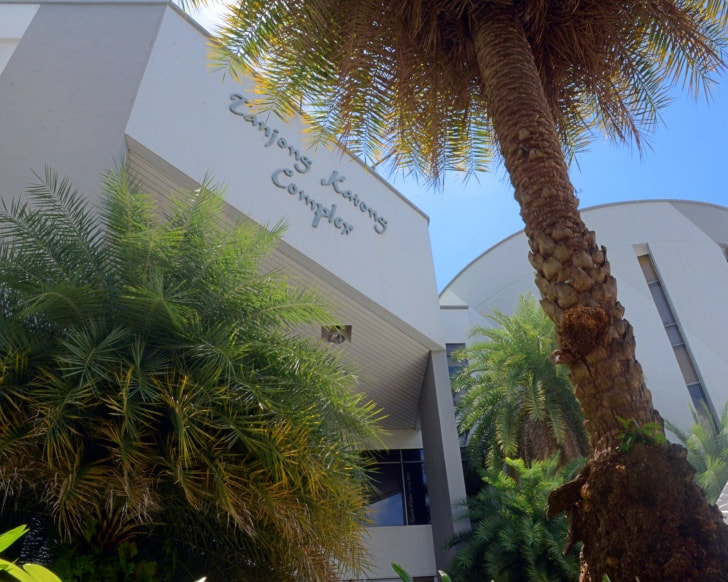 Tanjong Katong Complex or better known as 'TKC' counts First Lady as among its anchor tenants. Photo: Khalil Adis Consultancy. Home to anchor tenants like First Lady and Giant, Tanjong Katong Complex is known for its loud and colourful carpet auction shows located just outside the building that has helped to draw curious tourists and locals alike. Inside, however, there are many stores selling traditional Malay wears, home decor, gold, jewellery and other accessories. Over the weekend, the shopping complex is a known haunt among Indonesian maids who would often camp outside the venue. Meanwhile, locals tend to congregate outside Giant supermarket in the evening to break their fast. To avoid jostling with the crowd, it is best to come early for your Hari Raya shopping. #4: Joo Chiat Complex 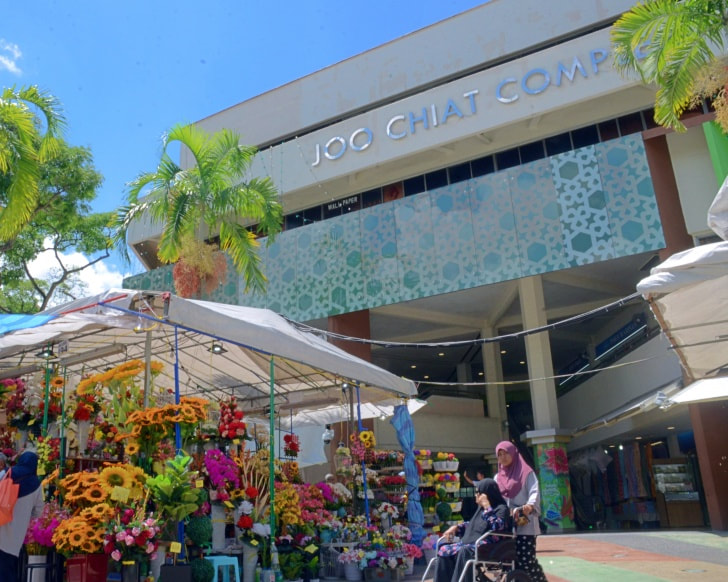 Joo Chiat Complex is the perennial favourite haunt among the Malay households. Photo: Khalil Adis Consultancy. Known for its wide variety of textiles and garments, Joo Chiat Complex is a treasure trove for those who need to hunt for ready-made traditional Malay wears for both ladies and men. Established in the 1960s, Joo Chiat Complex is still going on strong today and is one of Geylang Serai’s enduring icon. Aside from textiles, the complex boasts a number of fabric vendors selling curtains and upholstery by the metre. There are also a number of jewellery shops that are popular among Malay ladies who are eager to show off their latest bling collections. Although the shopping complex is a little run down, it is still worth checking out due to the sheer number of shops that can be found here. #5: Sri Geylang Serai 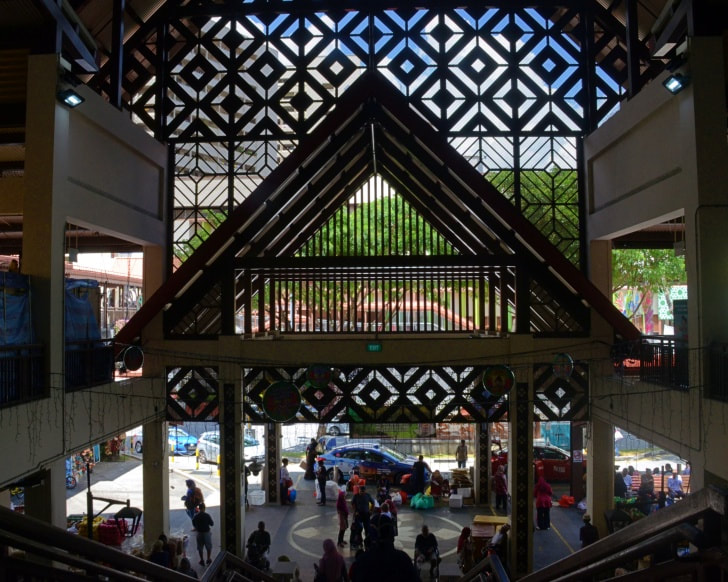 Sri Geylang Serai houses a wet market below and a hawker centre above specialising in traditional Malay and Indian-Muslim cuisines. Photo: Khalil Adis Consultancy. Sri Geylang Serai is home to the Geylang Serai wet market and hawker centre. Located just opposite Joo Chiat Complex, the wet market is a popular destination among Malay households from all over Singapore as the goods are fresh yet slightly more affordable. In addition, the hawker centre above houses a number of famous Muslim stalls that have made Sri Geylang Serai popular among those looking for authentic Malay food. Some of the notable hawkers here include Cendol Geylang Serai, Hajjah Mona Nasi Padang and Haji Mohd Yussof Warong Nasi Baryani. Be warned though that you would most likely need to share a seat as the hawker centre is always packed. #6: City Plaza 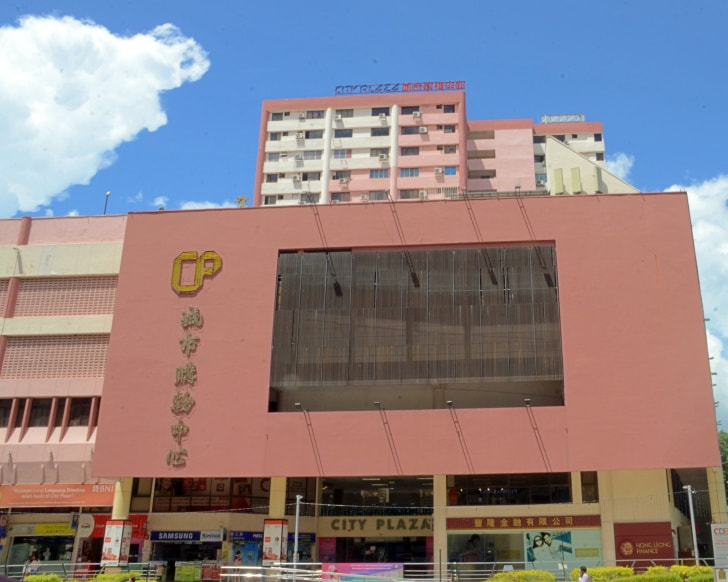 City Plaza is home to local fast food outlet, Arnold's. Photo: Khalil Adis Consultancy. City Plaza is the birthplace of Arnold’s which is famed for its fresh, succulent and well-marinated chicken. This fast food restaurant began its humble beginnings from a corner shop located on the second floor here and still continues to maintain its presence there for three decades. Even today, Arnold’s continue to be packed especially during breaking fast time. Aside from that, there are a number of thrift boutique stores selling sandals, bags and fashionable clothes. City Plaza is also a popular hangout among Indonesian maids over the weekend as there are a number of remittance outlets here. Summary 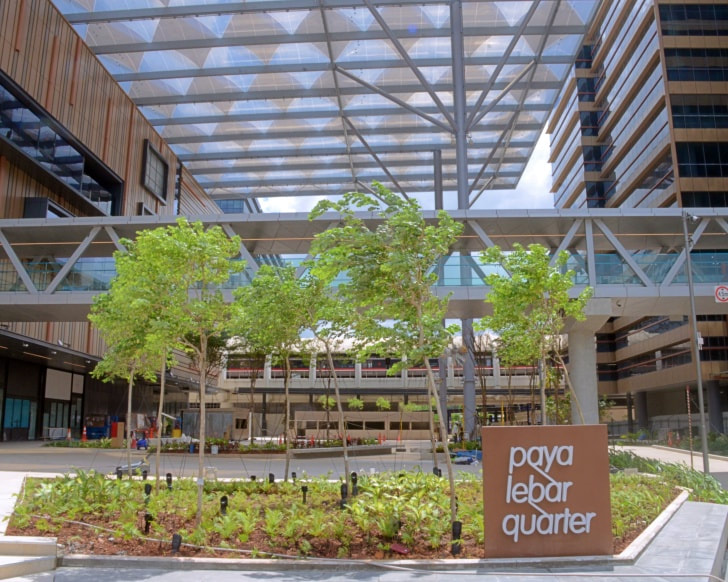 Paya Lebar Square's rejuvenation has seen a positive impact on residential property prices in the vicinity. Photo: Khalil Adis Consultancy. According to HDB’s first quarter of 2019 data, the median transacted price for 3- and 4-room HDB flats in Geylang was S$265,500 and S$518,000 respectively. In comparison, its fourth quarter of 2018 data showed that they were transacted at S$280,000 and S$480,000 respectively. This represents a price decline of 5.2 per cent for 3-room flats while 4-room flats have strengthened to 7.9 per cent.
Meanwhile, according to the URA’s first quarter of 2019 data, the median transacted price for apartments/condominiums in the area was S$1,157.40 per sq ft. In comparison, its fourth quarter data of 2018 showed that they were transacted at S$1,137.32 per sq ft. This represents an increase of 1.8 per cent. On the overall, the upcoming rejuvenation of Paya Lebar Central as outlined by the URA has had a positive spillover impact on residential properties here. Some of the completed projects in the area include Paya Lebar Square and Paya Lebar Quarter 1, 2 and 3 which are all connected via link bridges. Upcoming developments that are currently being constructed are Paya Lebar Quarter Mall, Paya Lebar Quarter and Park Place Residences at Paya Lebar Quarter.
0 Comments
Under the Draft Master Plan 2013, Novena is currently being transformed into Singapore’s single largest healthcare complex called Health City Novena. By Khalil Adis 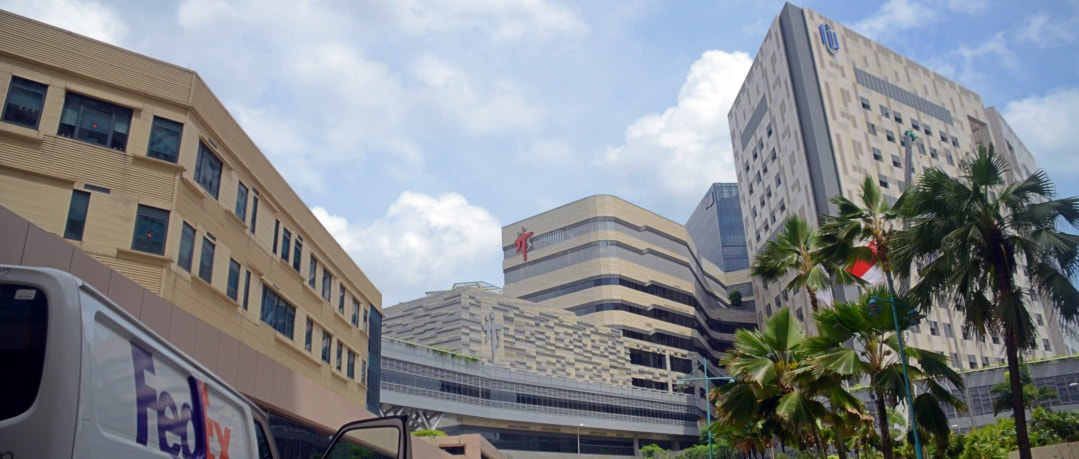 Health City Novena is an integrated development that is connected to Novena MRT station. Photo: Khalil Adis Consultancy. Known for its iconic Novena Church, Novena falls under the prime district 11 and is home to shopping malls, healthcare institutions, offices, apartments, condominiums and landed homes. Over the years, Novena has been transformed into a bustling healthcare hub called Health City Novena with the addition of three new MRT stations to better serve commuters. Here are six things to watch out for: #1: Health City Novena 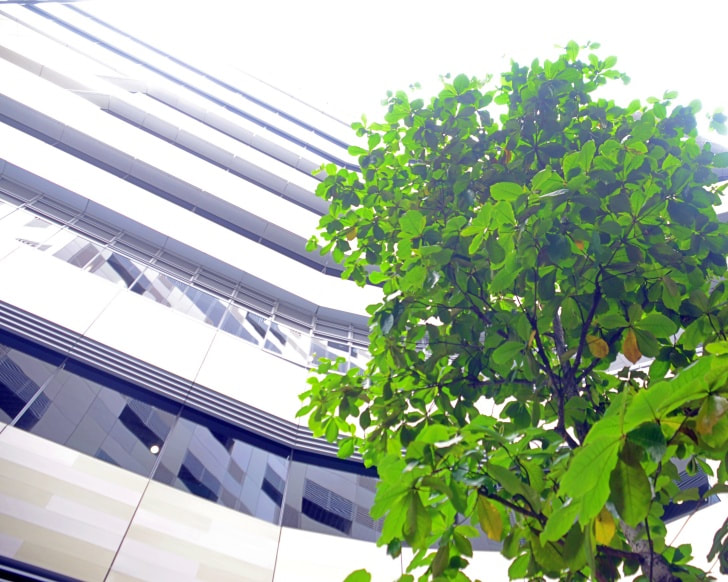 Health City Novena will be Singapore's single largest healthcare complex. Photo: Khalil Adis Consultancy. The Ministry of Health has set a target completion date by 2030 for this sprawling 17-hectare modern integrated healthcare complex that now physically links Tan Tock Seng Hospital, its medical school and all public and volunteer healthcare facilities into one. In the next 10 years, Health City Novena will see the addition of more facilities and services which will double its built-up area from 250,000 sq m to 600,000 sq m. #2: Novena Medical Center 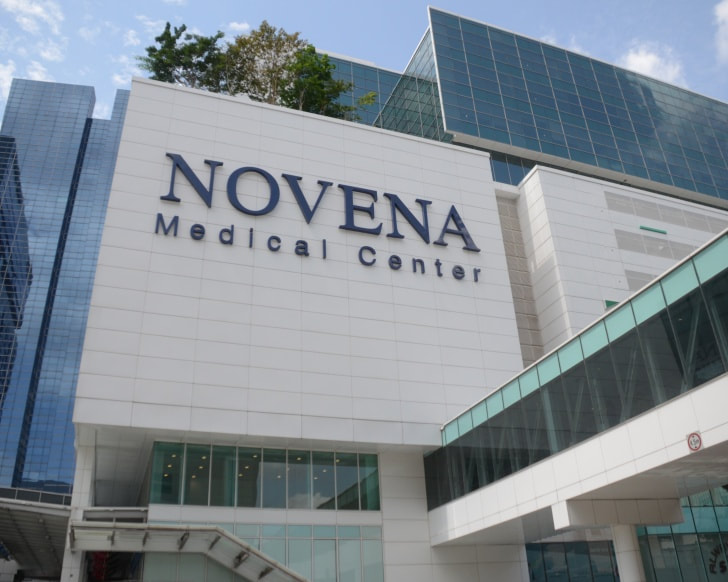 Novena Medical Center offers private patients a range of healthcare services. Photo: Khalil Adis Consultancy. Meanwhile, a new mixed-use development comprising a hotel, medical suites and retail shops at the junction of Thomson and Irrawaddy Roads is now open. Called Novena Medical Center, this privately run medical facility offers a wide range of quality health care services ranging from medical aesthetics to dental surgery. It is also linked directly to Oasia Hotel Novena for the convenience of overseas private patients to recuperate. #3: Three new MRT stations under Downtown Line 2 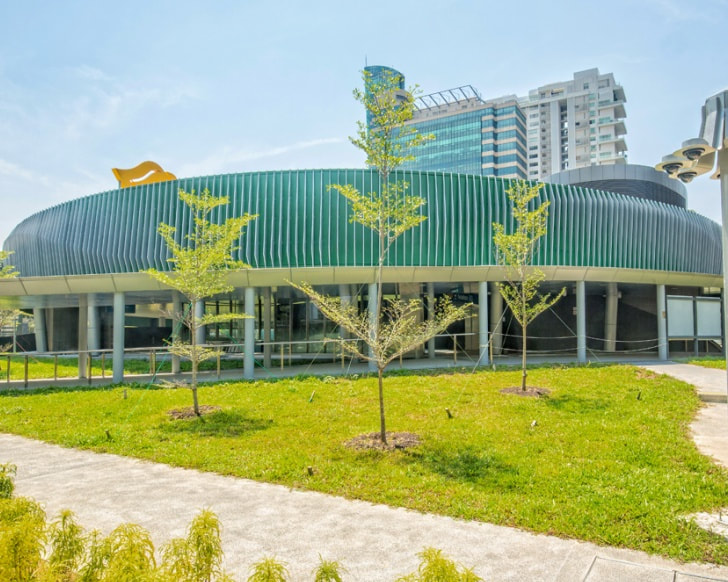 Newton MRT station has been upgraded to an interchange station to the Downtown Line. Photo: Land Transport Authority. To offer residents enhanced connectivity to the rest of Singapore, three new MRT stations namely Newton, Stevens and Botanic Gardens, were opened in December 2015. Comprising 16.6 km of train line that runs from Bukit Panjang to Bukit Timah Road, residents can hop onto the North South Line at Novena before transferring to Newton MRT interchange station to get to the downtown Singapore in 14 minutes flat via Downtown MRT station. By 2021, residents can look forward to the addition of two more MRT stations at Mount Pleasant and Stevens via the Thomson-East Coast Line. Stevens MRT station will be upgraded to an interchange station where commuters can hop onto the Thomson-East Coast Line towards Woodlands North or Sungei Bedok. #4: Velocity @ Novena Square 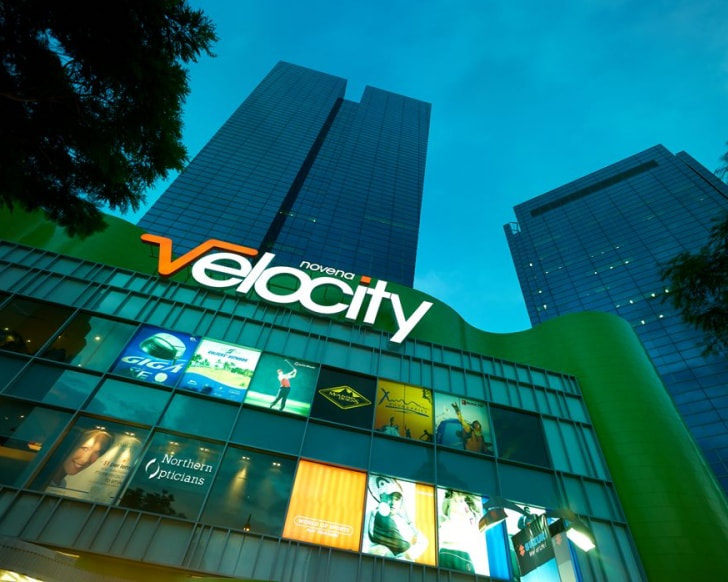 This sports-themed mall offers sporting events around the year. Photo: Velocity@Novena Square Facebook page. Located directly above Novena MRT station, this sports-themed mall offers shopping, dining and beauty options as among some of its offerings. Home to an outdoor basketball court, sports lovers can look forward to sporting events that are held here from time to time. Some of its anchor tenants include UOB, World of Sports, Cold Storage, Starbucks and Toast Box. #5: Zhongshan Park Integrated Development 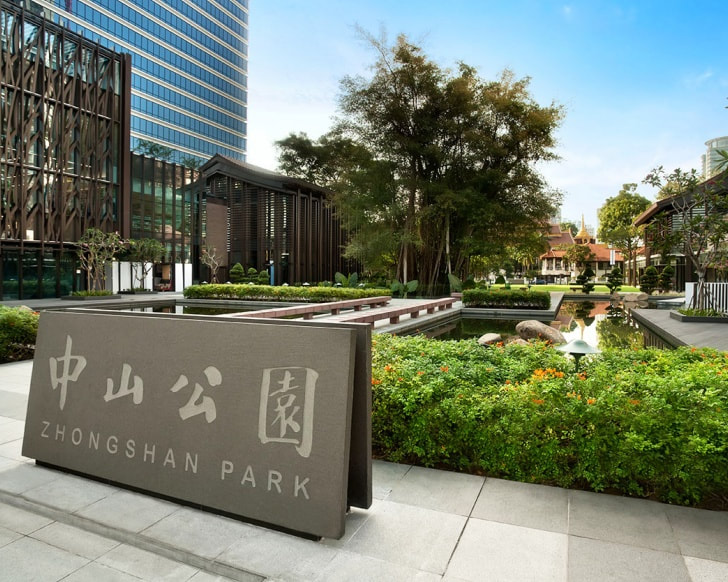 Architectural rendering of Zhongshan Park Integrated Development courtesy of DP Architects. The Zhongshan Park Integrated Development was conceived by its architect as a unique opportunity to rejuvenate the Balestier Conservation Area which has more than 160 years of history. Located at Balestier Road and adjacent to the Sun Yat Sen Nanyang Memorial Hall, Zhongshan Park has now been integrated as a sprawling 39,100sqm mixed-use development comprising Zhongshan Mall, two hotels and an office tower. #6: 35 Gilstead 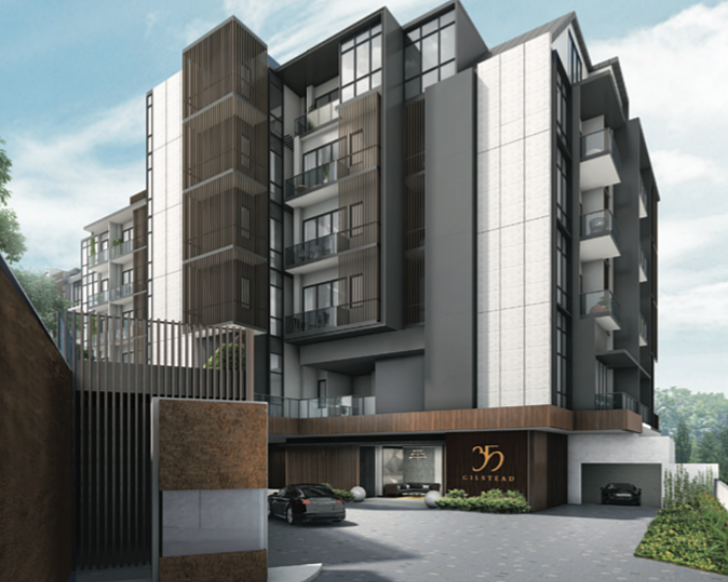 An artist impression of 35 Gilstead courtesy of TEE Forward Pte Ltd. In anticipation for Novena’s rejuvenation, a new condominium development will be developed at 35 Gilstead Road.
Called 35 Gilstead, this upcoming freehold condominium development will comprise three blocks of 5-storey residential apartments with an attic and basement, swimming pool and communal facilities. Offering 70 units ranging from one- to three-bedroom plus penthouse, 35 Gilstead will likely appeal to parents with school-going children as it is located very close to good schools such as Anglo-Chinese School Barker Road, Catholic Junior College, Singapore Chinese Girl’s Primary and Secondary School and St. Joseph’s Institution. The Draft Master Plan 2019 which was announced last week and is fast taking shape to take Singapore ahead into a vibrant yet liveable city. By Khalil Adis 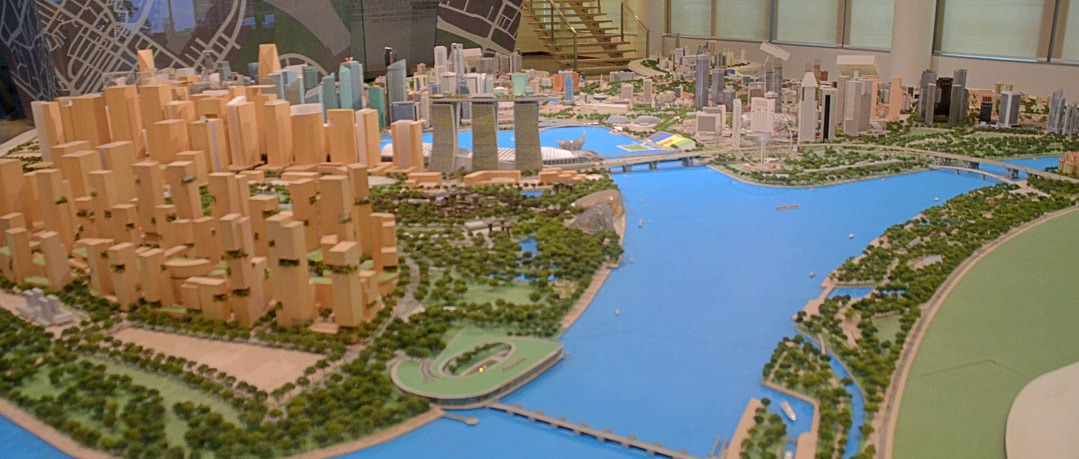 View of the URA Draft Master Plan 2019 scaled model at the URA Centre. Photo: Khalil Adis Consultancy. A decentralisation strategy to bring jobs closer to homes in the next 10 to 15 years, here are the five growth areas to watch out for: Woodlands Regional Centre: Woodlands Central 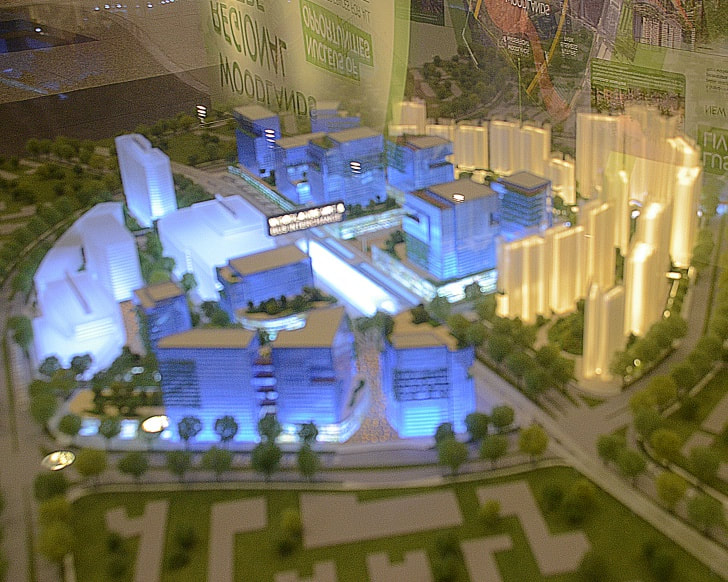 Scaled model of Woodlands Central which will be the hub for retail, food & beverage, office and childcare centre. Photo: Khalil Adis Consultancy. Key highlights:
Woodlands Regional Centre: Woodlands North Coast 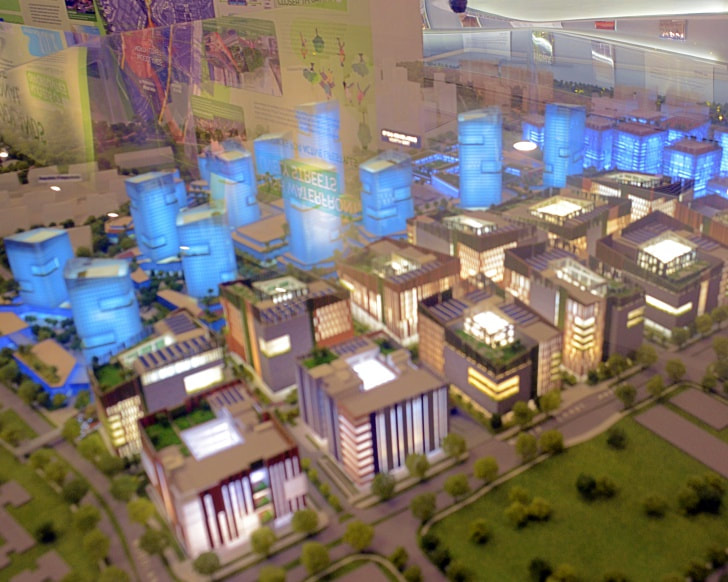 Scaled model of Woodlands North Coast which will be a gateway district to Malaysia. There is a plan for condominium, HDB and flexible industrial spaces here. Photo: Khalil Adis Consultancy. Key highlights:
Punggol Digital District 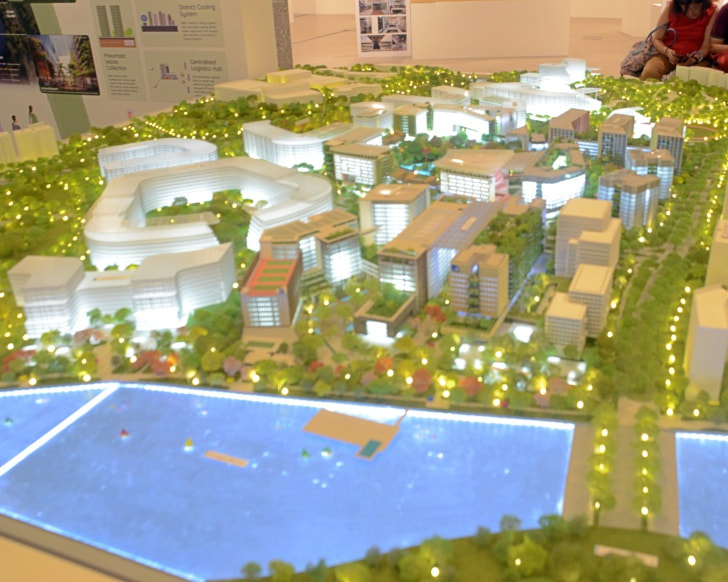 Scaled model of the Punggol Digital District. It will be a hub for innovation with industry clusters such as cyber security, artificial intelligence, data analytics and Internet of things. It will also be a transportation hub linking Punggol Coast MRT station to Jurong Lake District and Changi by around 2030 via the Cross Island Line (CRL). Photo: Khalil Adis Consultancy. Key highlights:
Paya Lebar Central 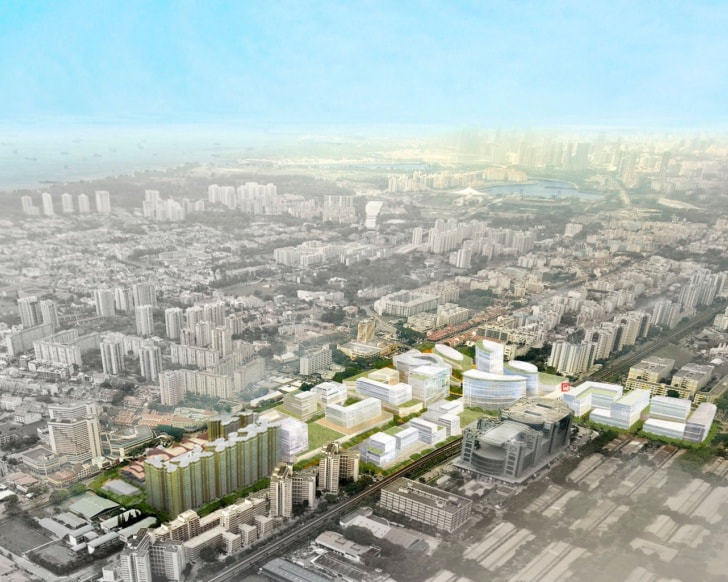 Paya Lebar Central is a transportation hub linking the East West Line and the Circle Line. Graphics: URA. Key highlights:
Jurong Lake District 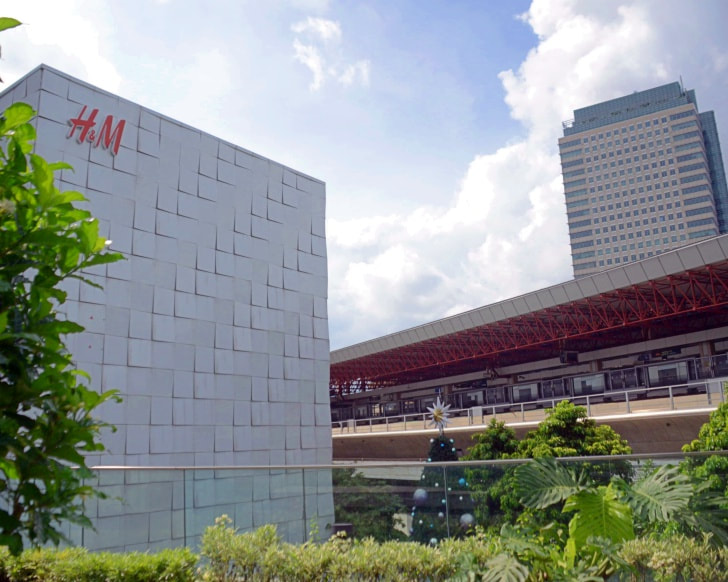 Jurong Lake District will be the second CBD in Singapore. Photo: Khalil Adis Consultancy. Key highlights:
Greater Southern Waterfront 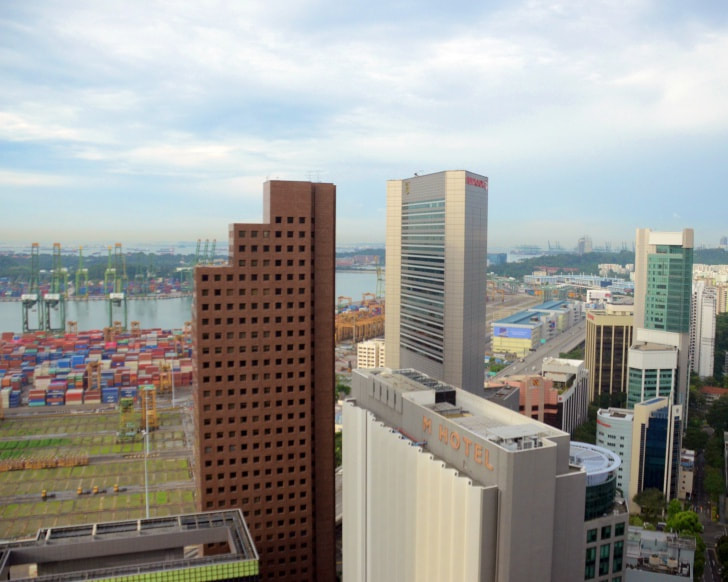 A new waterfront district will take place linking Keppel Club to Pasir Panjang by 2030. Photo: Khalil Adis Consultancy. Key highlights:
Despite the tepid HDB resale market, Punggol has bucked the trend with a loft unit at Punggol Sapphire recently changing hands for almost a million dollars. Here are the lowdowns about living in Punggol. By Khalil Adis 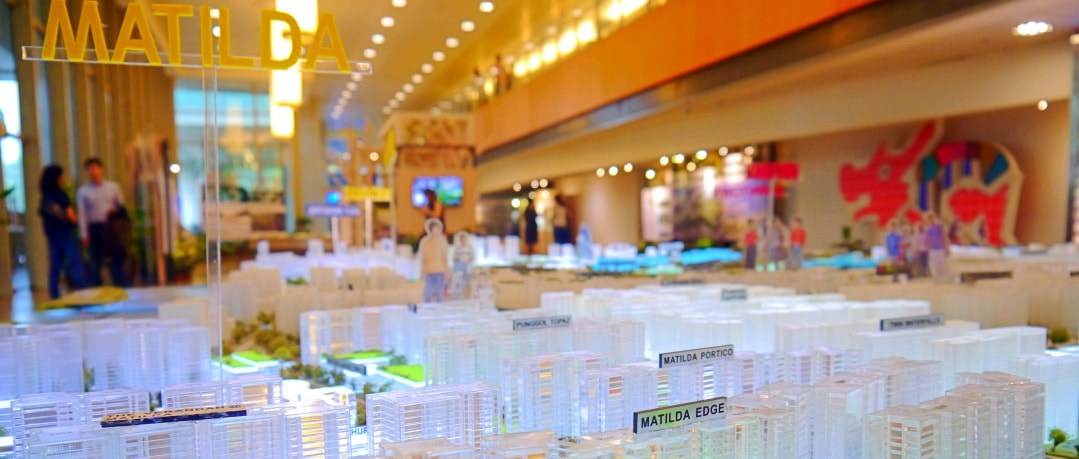 Scaled model of Matilda district in Punggol. Photo: Khalil Adis Consultancy. Punggol has indeed come a long way from being an ‘ulu’ area. Once known as a rural settlement complete with kampungs and farms, Punggol has since 1998 transformed itself from a backwater area to a vibrant, modern yet green satellite district. Amid Punggol’s oasis of calm, you can see LRT trains whirring through the residential areas, passing by the ample lush natural landscape before taking you directly to the heart of the district, Punggol Central. While Punggol’s rustic charms may appeal to outdoor lovers, there are certain downsides about living here. We list them down here: The good: #1: It’s oh so quiet 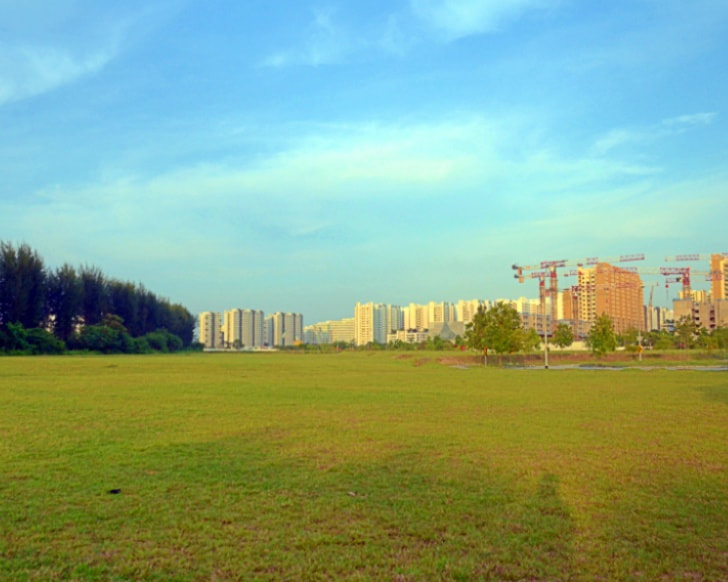 Being a non-mature estate has its benefits as Punggol offers a tranquil environment. Photo: Khalil Adis Consultancy. Punggol has an estimated population of 161,570 as of 2018 with a projected 96,000 housing units once the entire "Punggol 21-plus” master plan is completed. Despite its high density, Punggol is surprisingly very quiet at night save for the traffic whizzing by the Tampines Expressway (TPE). This is definitely good news for those wanting some peace and quiet but bad news if you want the buzz of city life. If you still want to move to Punggol, fret not as Waterway Point has all the modern conveniences and amenities for your city living. #2: Well landscaped parks and gardens Nature and outdoor lovers will revel in the many landscaped parks and gardens that Punggol has to offer, including the award-winning My Waterway@Punggol. From the Matilda District, you can enjoy a stroll or jog by the Punggol River before reaching Punggol Dam and Punggol Point. This is part of the comprehensive Park Connector Network (PCN) linking the entire island. The view is awe-inspiring and enough to make even the laziest couch potato get up and explore nature #3: Properties here are in demand. 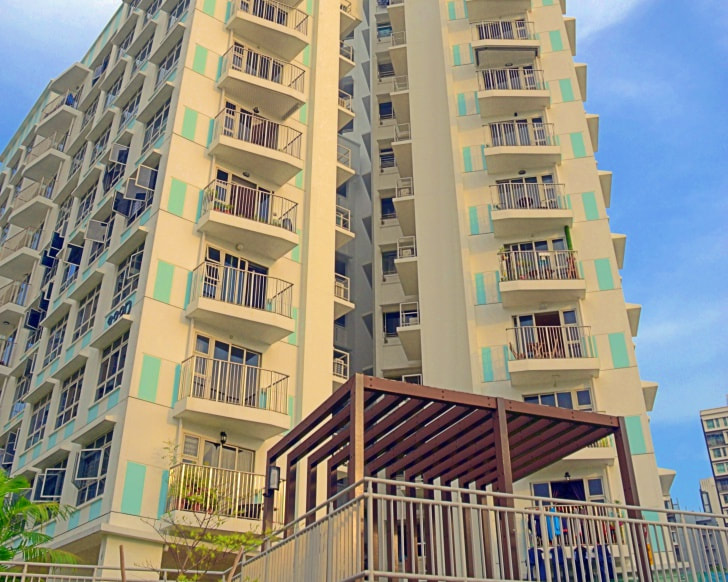 Punggol's picturesque and tranquil surrounding have made it an in-demand district among homebuyers. Photo: Khalil Adis Consultancy. Being a relatively new township development with a young demographic, Punggol has proven to be popular among homebuyers as a few HDB housing projects are now eligible to be sold in the resale market. According to the fourth quarter of 2018 data from the HDB, the Resale Price Index (RPI) fell by 0.2 per cent, from 131.6 points in the third quarter to 131.4 points in the fourth quarter in 2018. For the whole year, the RPI declined by 0.9 per cent in 2018. Despite the lacklustre market, a five-room, loft unit in Punggol Sapphire was sold for S$910,888 in January 2019. This was considered a record for an HDB flat in northeastern Singapore. Additionally, OrangeTee & Tie's research showed that in the third quarter of 2018, Punggol was the fourth most popular area for HDB resale flats with 469 units transacted followed by Jurong West (505 units), Woodland (516 units) and Sengkang (528 units). On the overall, resale statistics from the HDB showed that the median prices of three, four and five-room flats were transacted at S$343,000, S$455,000 and S$445,000 respectively in the fourth quarter of 2018. #4: Comprehensive public transport network Commuting in and around Punggol is very convenient as there is a comprehensive transport network comprising MRT, LRT and buses. In fact, the township has been planned such that each housing estate is located within 300 m away from any LRT station. An exception, however, is the new housing area at the Matilda district. #5: Punggol Digital District 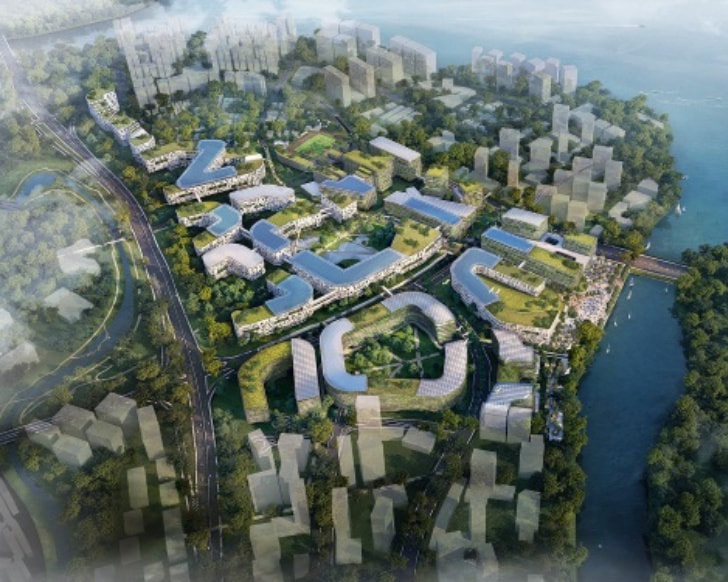 Punggol Digital District will be spearheaded by JTC. It is part of Singapore's Smart Nation push. Screengrab from the Urban Redevelopment Authority (URA). Come 2023, a new smart city is set to rise in Punggol called the Punggol Digital District. Housing technology firms involved in key growth fields as well as the new Singapore Institute of Technology Campus, Punggol Digital District will create around 28,000 jobs while providing residents with more lifestyle and dining options. In the pipeline includes the new Punggol Coast MRT Station which will be an extension of the North-East Line. Punggol Digital District will also enjoy enhanced connectivity via the Cross Island Line (CRL) which will link it to Jurong Lake District and Changi by around 2030. Collectively, they will act as property boosters for Punggol. The bad: #6: Lack of good hawker food 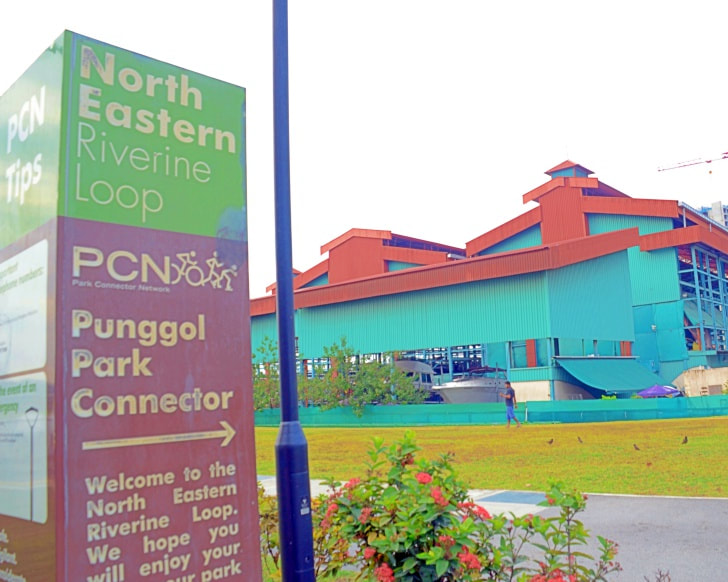 Lifestyle and dining options are available at the Marina Country Club. Photo: Khalil Adis Consultancy. Food. That’s our favourite national past time that defines if we love or hate or neighbourhood. Having lived in Taman Jurong, I must say I was spoilt for choice with various options of mouth-watering hawker fares such as the famous Boon Lay Power Nasi Lemak. However, the choices have become extremely limited in Punggol unless you are into fast food. While there are coffee shops serving local cuisines, they pale in comparison to the well-established hawker fares that you can find elsewhere. You are better off cooking your own meals. #7: Dust 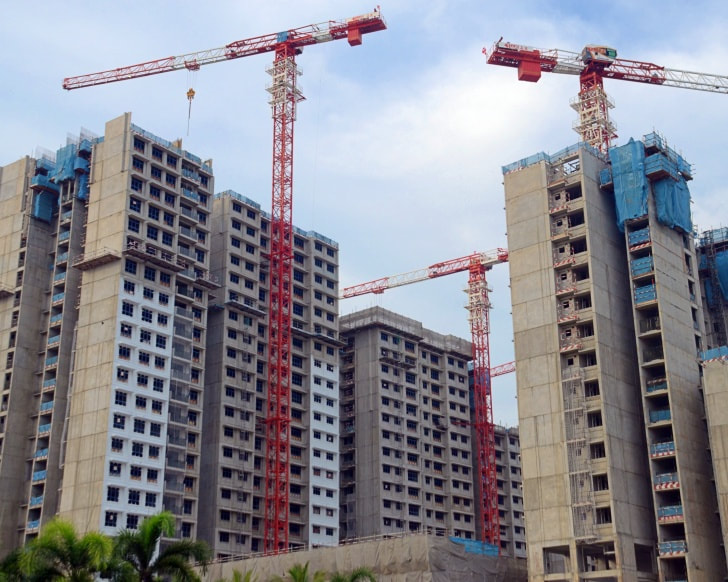 The ongoing construction work from the many Built-To-Order (BTO) projects mean plenty of dust at home. Photo: Khalil Adis Consultancy. If you hate spring cleaning, be prepared for a rude shock. With many construction works going on, you will find yourself dusting up every single day. Windows, top of shelves, cupboards and other surfaces collect dust easily. This certainly isn’t good news if you are asthmatic or are prone to allergies. If so, you might want to invest in a good ioniser to keep your indoor air free of particles and other irritants. The ugly: #8: Get ready to jostle with the early morning crowd 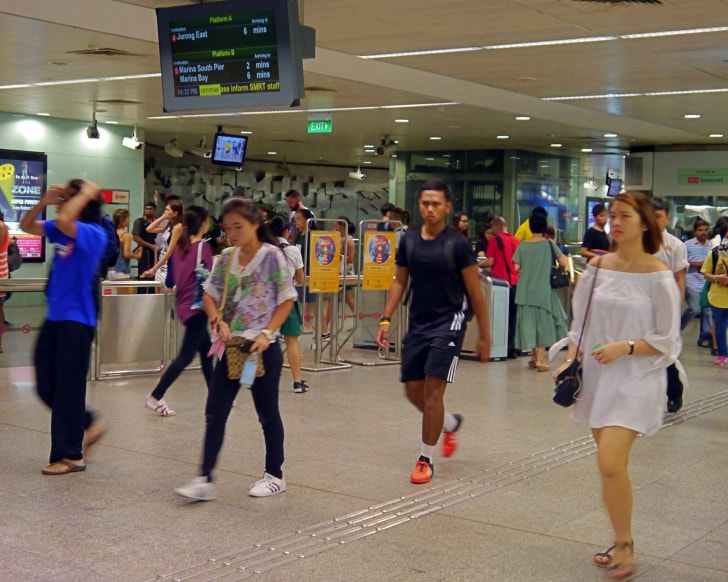 Singaporeans taking the MRT during the rush hour. Photo: Khalil Adis Consultancy. If you think Singaporeans are a kiasu lot, be prepared to see that word taken to new heights when you commute to work in the morning. In fact, many would play ‘musical chairs’ as they hustle for seats at on the MRT. Meanwhile, getting a Grab or taxi would be almost impossible. To get around this, I would leave home by 6 am and get to the office by 7 am. #9: That acrid smell in the air 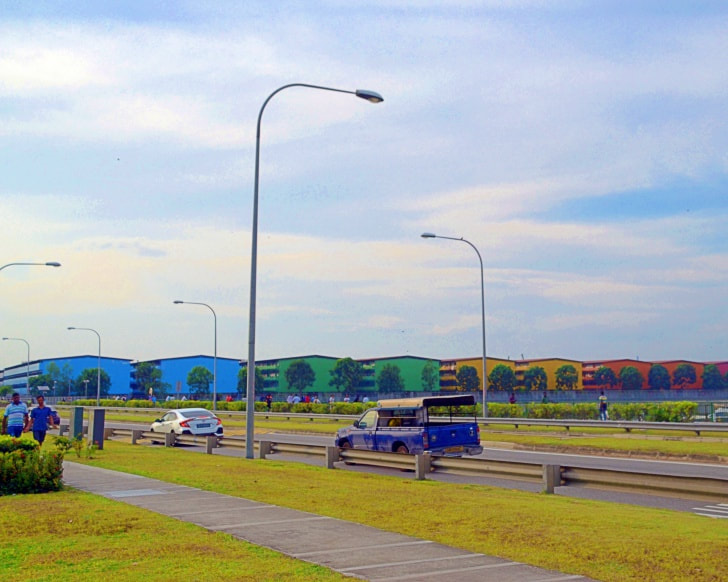 Flatted factories located in Punggol. Photo: Khalil Adis Consultancy. While Punggol may be planned as a green township development, be prepared for a strong burning smell that would emanate from time to time.
Located just opposite the industrial area of Pasir Gudang, Johor, the smell has become increasingly acrid over the past few days that it will linger from night till dawn. In fact, it can get so bad that you might have to get up in the middle of the night to close the windows. This is something perhaps developers and HDB will not tell you. Buying a home will be your single most expensive investment in your life and these are the most common mistakes you should avoid. By Khalil Adis 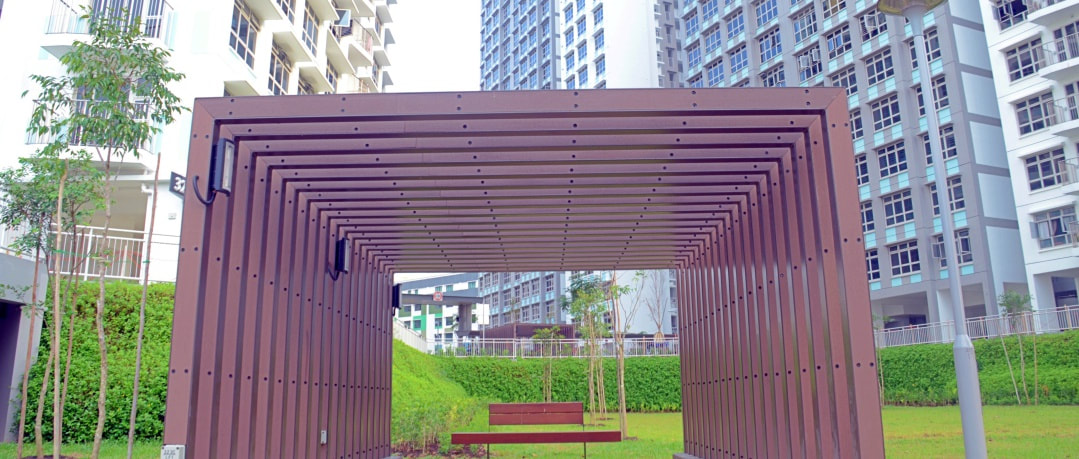 A new HDB flat in Punggol. Photo: Khalil Adis Consultancy. Buying your first home is an exciting experience that will have you go through a range of roller-coaster emotions. From scouting for the right property to securing a loan, the procedures are endless that it is so easy to lose sight of what is important: #1: Buying based on emotions 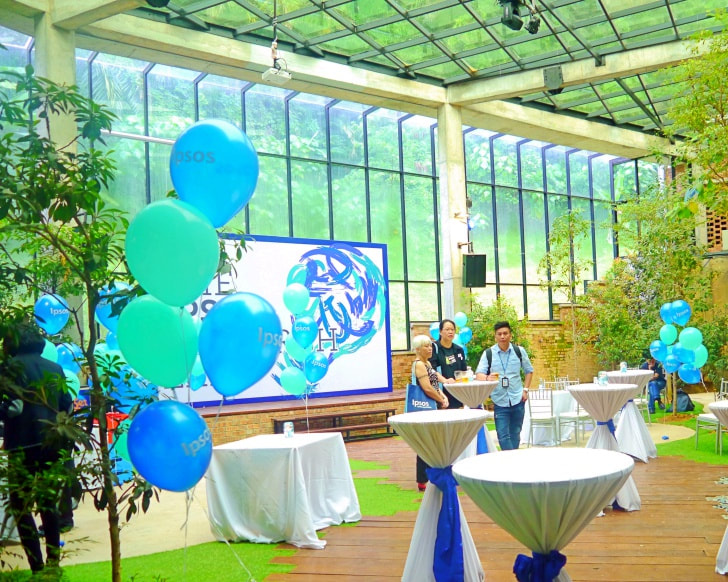 Glasshouse at Seputeh. Glasshouses may look aesthetically pleasing but they trap heat leading to high utility bills. Photo: Khalil Adis Consultancy. Buying a property based on emotions can cause you to gloss over some of its inherent shortcomings. It is like falling in love in someone gorgeous until they start to open their mouth. The initial phase may elicit a response such as exhilaration over its interior design finishing and then imagining how it would be like to sit in front of that bay window in that sleek glasshouse apartment. However, your emotions can bite you back over the long run as such a home will result in hefty utility bills in the long term. When buying a property, you should make calculated decisions by asking yourself these basic questions: Is the property priced fairly? Do your market research to find out what is the average price per sq ft of the property in the vicinity. This is important as it will ensure your property can have room for capital appreciation in the future. Are there nearby amenities like schools, hospitals and train stations? This will make the area desirable and attract people to want to live, work and play there. As demand increases, it will attract a significant population leading to the capital appreciation of your property. If you want to start a family, these are important considerations. Can the property be rented out or sold in the future? There will be some point in your life that you may end up as a landlord or a seller. Therefore, you must put yourself in the position of a tenant or a buyer by really looking at the property for what it is. As such, check if there any defects that may affect its future rentability or value. It is a good idea to upkeep your property to ensure all the electrical points and sanitary appliances are working while giving it a fresh coat of paint every year. You might also want to look at your interior design, layout and colour schemes and see if they will appeal to potential tenants or buyers. #2: Buying a house facing East-West orientation 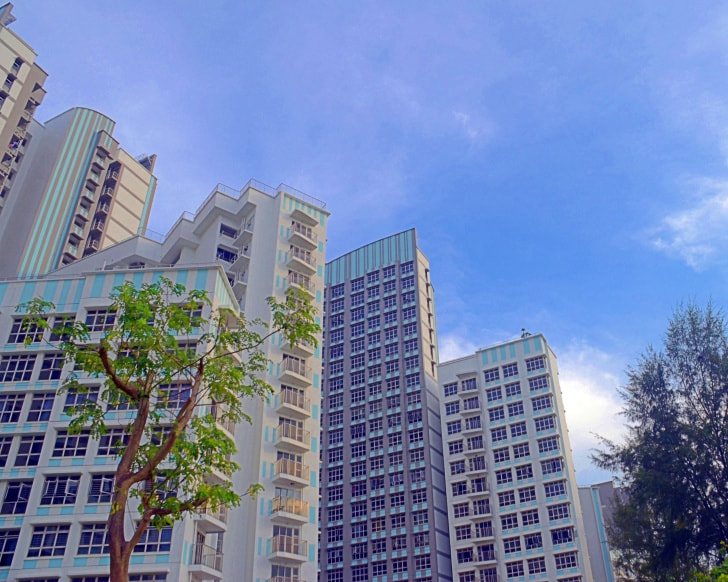 New homes in Punggol. Check the floor plan for the site orientation. If possible, choose a site that has plenty of vegetation and trees to reduce heat gain. Photo: Khalil Adis Consultancy. You should avoid buying a house that is facing the East-West orientation as it is directly exposed to the afternoon sun and therefore increases the heat gain. During night time, the concrete walls will radiate back the heat to your home leading to higher utility bills from your air-conditioning unit. Instead, you should go for a home that is facing North-South orientation. Do also ensure there is cross-ventilation from one end of the house to another to encourage natural air flow. #3: Buying an odd-sized unit 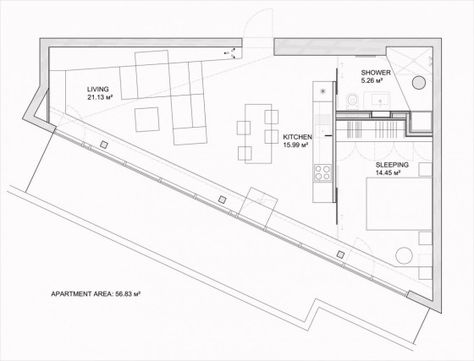 A triangular shaped layout is an inefficient layout that results in wasted space. Graphics: Pinterest. An oddly sized unit refers to a layout which has odd corners like a triangle or irregularly shaped like an oval or circle. Such homes have an inefficient layout meaning that it will result in wasted space which cannot be utilised. It is also bad in terms of feng shui should the odd corners have an acute angle as they will collect energy that cannot be dispersed. Instead, you should opt for a regularly shaped unit like a square or rectangle. Remember this golden rule when it comes to a home layout: boring equals good. #4: Buying a common unit versus one that is scarce 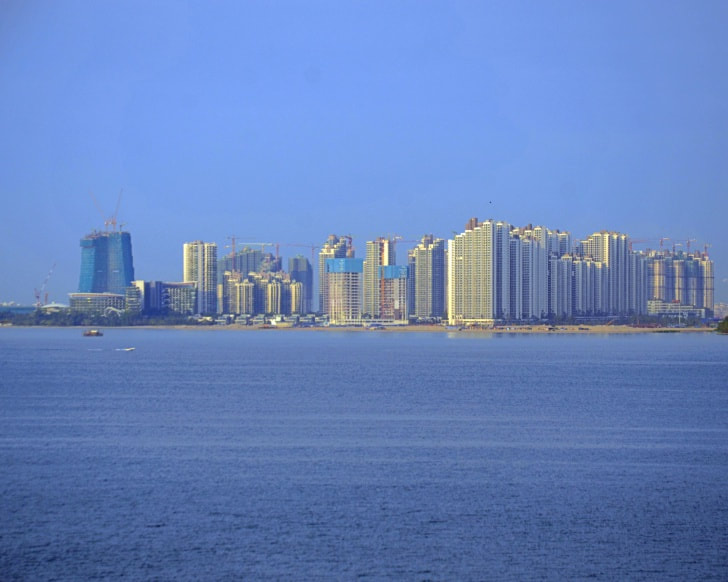 Forest City in Johor. In a high density development, you should opt for a unit that is scarce. Photo: Khalil Adis Consultancy. This is especially applicable for the property market in Malaysia where there is a severe oversupply of homes particularly in Johor and Kuala Lumpur. When buying a home, you should opt for a unit that is scarce. You should first study the development carefully and the unit types that are available. For example, in a project where 4-bedroom greatly outnumber 2-bedroom units, you should opt for the latter. This is because such units will be easier to offload in the resale market should you wish to sell or rent it out in future. Of course, you must take into consideration your family size before making the final decision. #5: Not asking about your prospective neighbours 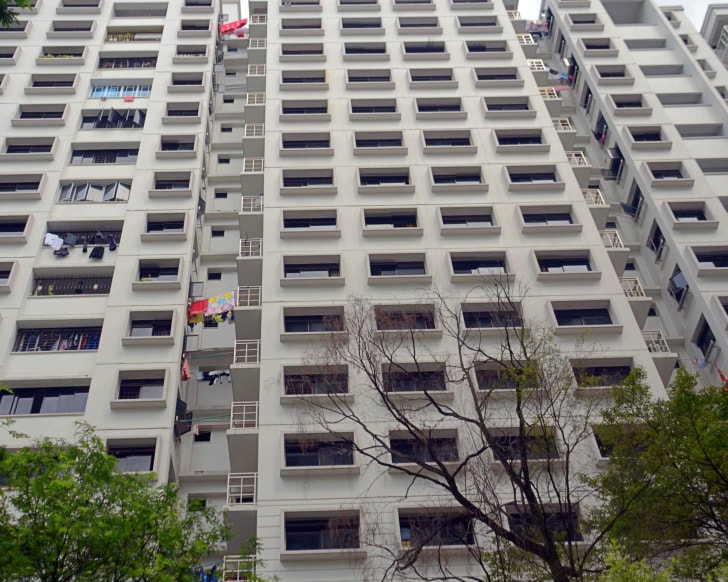 An HDB flat in Singapore. Asking about your prospective neighbours is a good idea before buying a resale property. Photo: Khalil Adis Consultancy. A neighbour can make or break your property.
This is especially true if you are buying a resale home. Recently, a friend confided how he had to move out from his current home to rent another place in eastern Singapore. He had bought the HDB flat from the resale market from an owner who appeared desperate to sell it off. “Don’t tell the neighbour downstairs how much I sold this house,” the owner said ominously. This should have been a red flag. After moving in, he realised his neighbour downstairs would often make a din throughout the entire day. Sometimes, he would have the police knocking on his door as the neighbour had complained about him for no reason. This caused him and his family so much distress that the neighbour’s mom had to come up to explain and apologise for her son’s erratic behaviour. Apparently, her son suffers from a mental illness. After talking to his neighbour, he realised the previous owner was not on good terms with the entire family. This explains their decision to sell the flat. While he now lives a quieter life elsewhere, his tenants are now at the receiving end of the neighbour’s constant abuse. For example, recently, he received a call from the HDB complaining about the apparent noises from his unit. Thankfully, the HDB and the police are aware of his problematic neighbour and have since closed the case. Unfortunately, you cannot choose your neighbours if you had bought a new home directly from the HDB or developer. However, you can mitigate your risks by being a good neighbour. For instance, why not offer a serving of cookies or cakes during your festive celebration? While your actions may not be reciprocated, a friendly hello on your neighbour’s door and offering such goodies will certainly go a long way in making a good first impression last. Neighbours do talk so why not give them something good to talk about? Spanning 29km with a target completion date by 2029, phase one of the CRL will run from Bright Hill to Changi with 12 stations in all By Khalil Adis 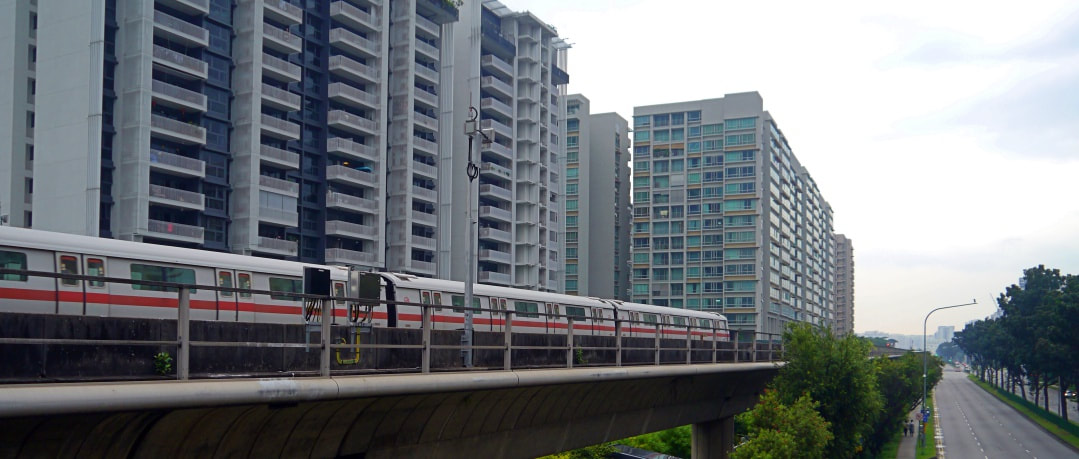 An MRT train passing by Lakeside MRT station. The upcoming Cross Island Line (CRL) will provide an alternative route from Jurong to Changi when it is fully completed by 2030. Photo: Khalil Adis Consultancy. Come 2029, you can hop onto the train via a fully underground line that will link you from Ang Mo Kio to the aviation hub of Changi. Announced just last week by Singapore’s Transport Minister Khaw Boon Wan, phase one will comprise 12 stations. When fully completed by 2030, the entire line will span some 50km and will serve existing and future developments in the eastern, western, and north-eastern corridors. This will link it to major hubs such as Jurong Lake District, Punggol Digital District and the Changi region. According to the Land Transport Authority (LTA), the CRL will be Singapore’s longest fully underground line. Here are five quick facts on phase one of the CRL. #1: 29km of fully underground line 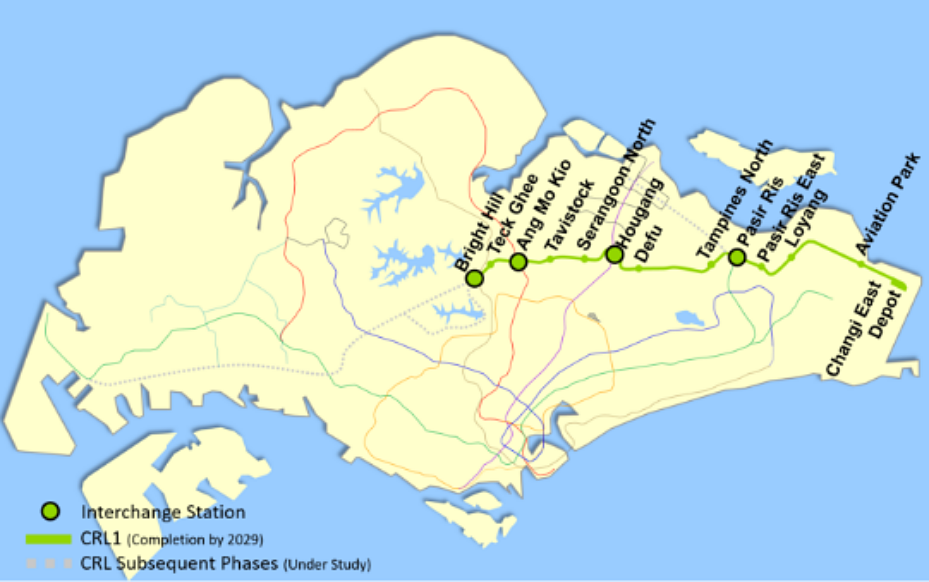 The alignment for phase one of the CRL will comprise 12 stations spanning 29km. Map: Courtesy of the Land Transport Authority (LTA). The CRL will run parallel to the current East West Line (EWL). When opened, it will serve the residential and industrial areas such as Loyang, Tampines, Pasir Ris, Defu, Hougang, Serangoon North and Ang Mo Kio. This will definitely help ease congestions along the popular line which has been in operation since 12 December 1987. When the full CRL line commences service, the LTA envisages time savings of up to 30 to 40 minutes from Changi to Jurong. Construction for phase one of the CRL is expected to commence in 2020 and will be completed by 2029. #2: 12 stations 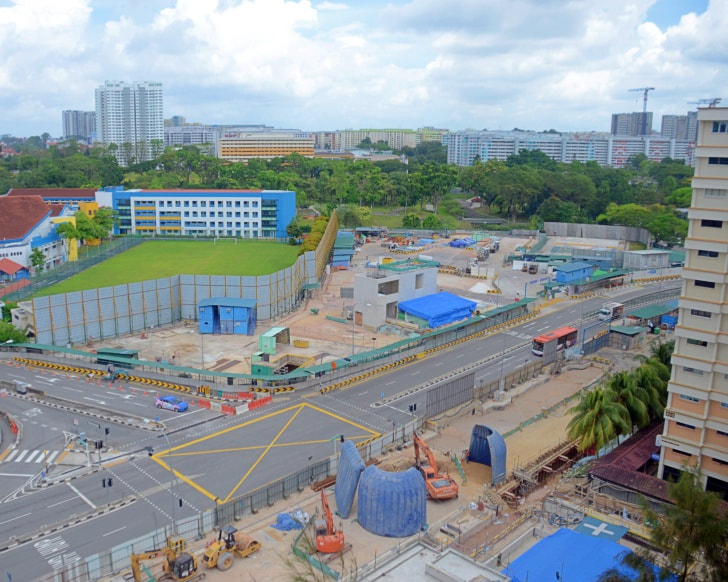 Ongoing construction works at Bright Hill MRT station which serves the Thomson-East Coast Line (TEL). By 2029, it will become an interchange station with phase one of the Cross Island Line (CRL). Photo: Khalil Adis Consultancy. Phase one of the CRL will comprise 12 stations namely, Aviation Park, Loyang, Pasir Ris East, Pasir Ris, Tampines North, Defu, Hougang, Serangoon North, Tavistock, Ang Mo Kio, Teck Ghee and Bright Hill. Of these, four will be interchange stations. Bright Hill, which is on the Thomson-East Coast Line, will become an interchange station with the CRL Meanwhile, Ang Mo Kio, Hougang and Pasir Ris will be an interchange station with the North-South Line, North East Line and the East-West Line respectively. #3: More than 100,000 households will benefit 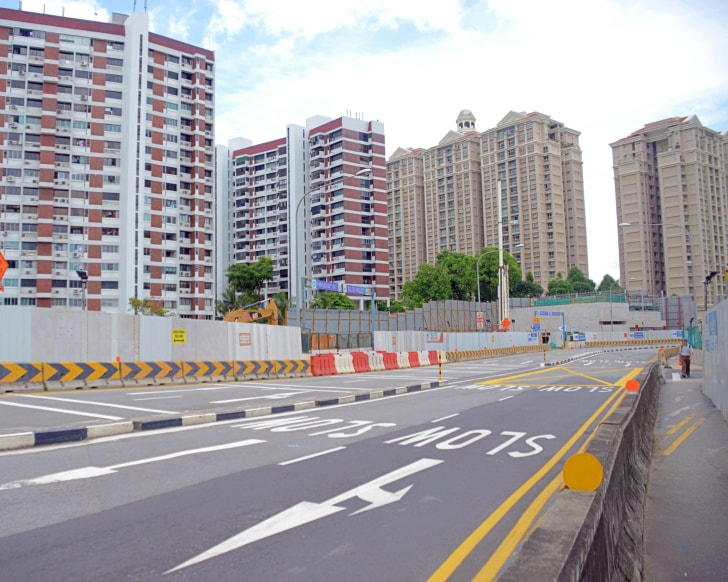 Condominium developments along Sin Ming Avenue will be served by Bright Hill MRT station. Photo: Khalil Adis Consultancy. According to the LTA, more than 100,000 households will benefit from phase one of the CRL. Additionally, the LTA said envisages the projected daily ridership of the entire CRL to be more than 600,000 in the initial years before increasing to over 1 million in the longer term. #4: Open up access to more areas 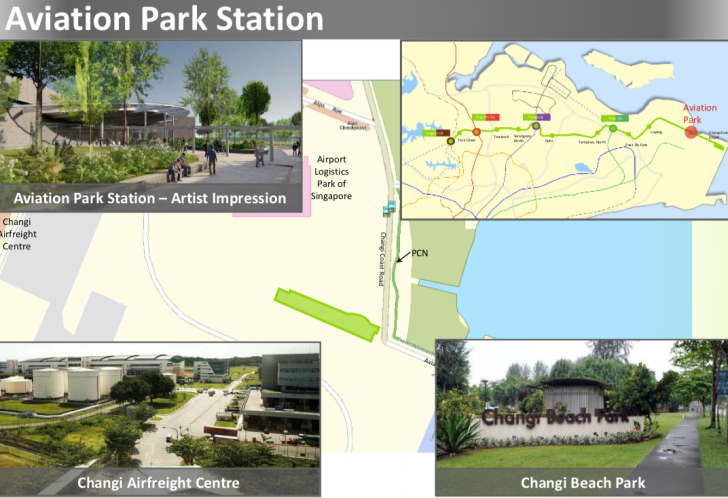 Screen grab of Aviation Park MRT station from LTA's website. The LTA said previously inaccessible areas which currently have no MRT access such as Serangoon Gardens, Serangoon North and Aviation Park in Changi will enjoy greater connectivity. This means common recreational spaces such as Changi Beach Park, Bishan-Ang Mo Kio Park, Hougang Mall and Ang Mo Kio Hub will also become more accessible by public transport. This is definitely great news for outdoor lovers and mall enthusiasts as such spaces will enjoy greater connectivity. There’s more good news. The LTA said the line may be extended to link up with Changi Airport. #5: CRL will support three new economic hubs 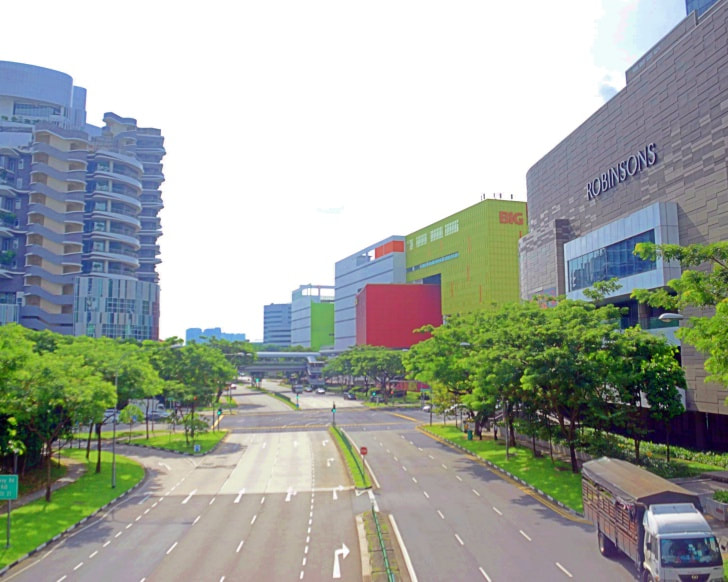 Jurong Lake District is fast taking shape as Singapore's largest commercial and regional centre outside the city centre. Photo: Khalil Adis Consultancy. Singapore plans to bring jobs closer to homes with various plans in place to build economic hubs away from the central business district. Minister Khaw said that the CRL will help to support these new economic hubs that are being planned such as the Punggol Digital District, Jurong Lake District and one at the Changi region. Analysis 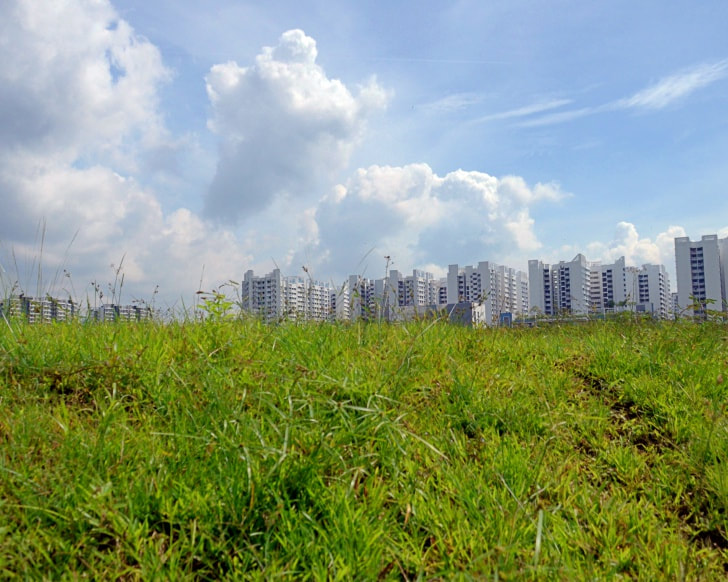 The township of Punggol has seen HDB flats transacted above the S$1 million threshold recently. Photo: Khalil Adis Consultancy. The CRL will help to boost property values along the 50km stretch.
The districts that will benefit greatly are those described above where the government has laid across a masterplan especially for Punggol Digital District and Jurong Lake District. According to the Urban Redevelopment Authority’s (URA) Punggol Digital District masterplan, the innovation district will house technology firms involved in key growth fields such as cyber-security as well as the new Singapore Institute of Technology Campus. It will be opened progressively from 2023 and will create around 28,000 new jobs. Meanwhile, Jurong Lake District is set to become the largest commercial and regional centre outside the city centre. According to the URA, the district will create more than 100,000 new jobs with 20,000 homes to be built when it is set for completion after 2040. As for Changi, the URA’s Draft Master Plan 2013 showed Changi Airport’s ambitious expansion plans with two new terminals that will be built - Terminal 4 was completed in 2017 while the new Terminal 5 will be completed by around 2025. In addition, Project Jewel, an S$1.7 billion mixed-use development is set to open this year and will be seamlessly linked with the existing Terminal 1. This iconic development will feature a vast indoor garden and more shopping options. The URA envisages these three new developments to anchor Changi Airport’s air hub status for years to come and to generate thousands of new jobs for Singaporeans. As such, homeowners residing in Jurong East, Toh Guan, Teban Gardens, Taman Jurong, Punggol and Changi areas will benefit the most from the opening of the CRL line. A vibrant district is about to take shape over at Woodlands Regional Centre in the next 15 years with enhanced connectivity to Johor Bahru via the Rapid Transit System (RTS) Link. We give you the quick low-down on this gateway district to Singapore. By Khalil Adis 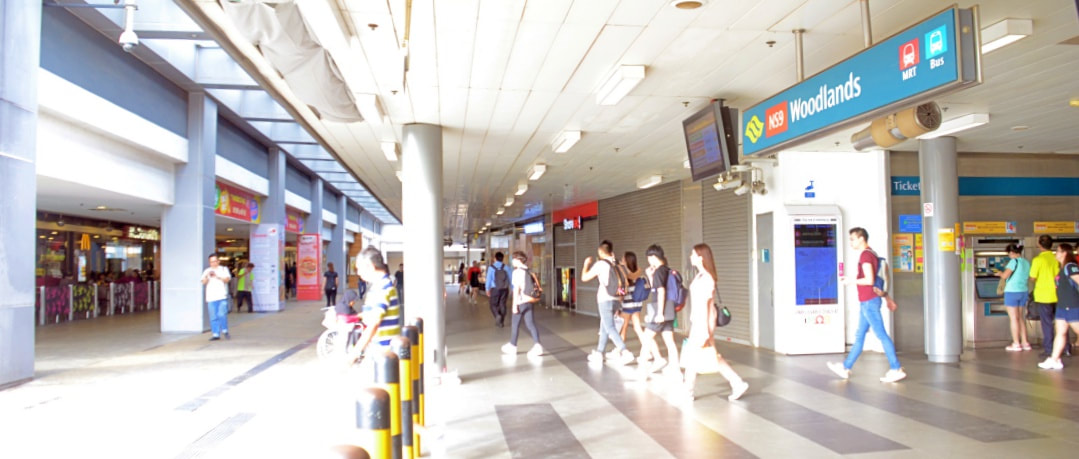 Woodlands Regional District will be developed over the next 15 years, according to the Urban Redevelopment Authority. Photo: Khalil Adis Consultancy. Living in Woodlands is about to get even more exciting as Woodlands Regional Centre will be developed into a sizeable commercial hub and bring jobs closer to homes in the northern region of Singapore. Comprising 100 hectares of land, the Urban Redevelopment Authority (URA) envisages Woodlands Regional Centre to become home to new spaces for industry, research and development, learning and innovation over the next 15 years. Just last month, the URA released a white site for sale under the reserve list of the second half of 2018 Government Land Sales (GLS) Programme. A white site means it can be used for different functions such as commercial, residential and industrial. The sale of the site is especially momentous as it will provide a seamless connection for commuters travelling to Johor Bahru via the RTS Link by 2024 at Woodlands North MRT station before disembarking at Bukit Chagar station. Here are a few quick facts on the site: #1: Located next to popular shopping mall, Causeway Point 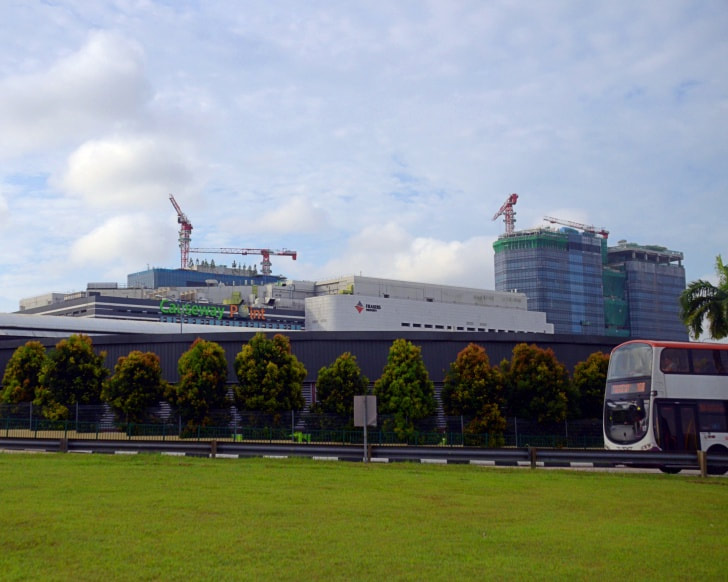 Developments are gathering pace next to Causeway Point. Photo: Khalil Adis Consultancy. The site is located within Woodlands Regional Centre which comprises two complementary precincts - Woodlands Central and Woodlands North Coast. The white site itself is located at Woodlands Central which the URA said will be transformed into a bustling commercial and community node with a mix of office, retail, residential and attractive public spaces for live, work and play. #2: A vibrant mixed-use site with a GFA of 115,000 m2 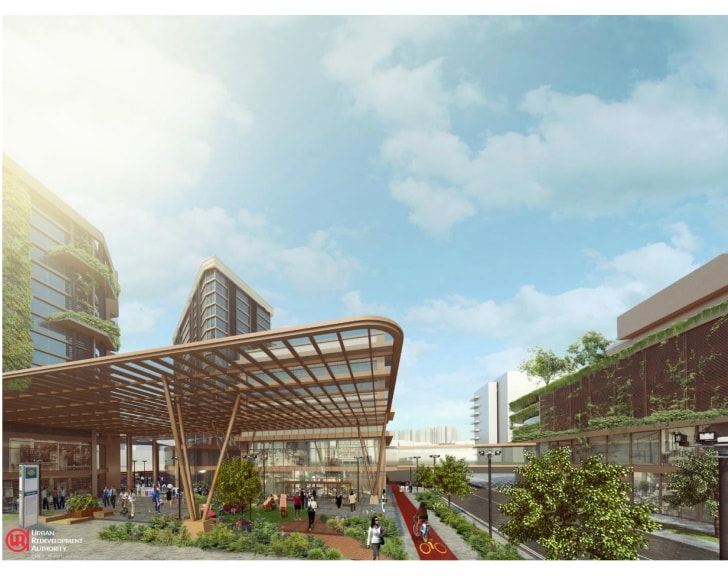 An artist’s impression of the future development at Woodlands Avenue 2. Rendering: Courtesy of the Urban Redevelopment Authority. The mixed-use site measures 2.75ha and can potentially generate some 115,000 m2 of gross floor area (GFA) for office, residential, retail and entertainment uses. At least 45,000 m2 of the maximum permissible GFA of the development will be set aside for office use. Meanwhile, the URA said the remaining GFA can be for additional office, retail, entertainment and residential uses. #3: 27,000 households in northern Singapore set to benefit 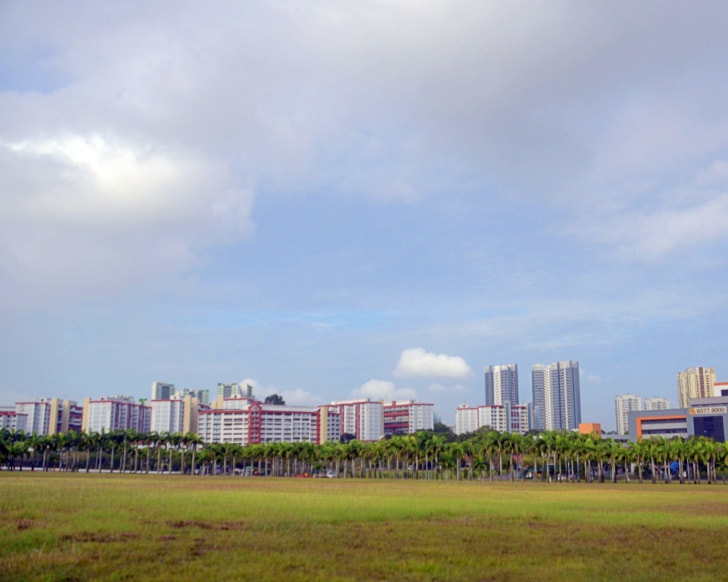 An open space next to HDB flats and an industrial area in Woodlands. Photo: Khalil Adis Consultancy. According to the URA, the new public spaces planned for the precinct can be enjoyed by more than 27,000 households in the vicinity. Woodlands Central will also serve as a community gathering point for the residents in Woodlands and the rest of the north region. #4: Strategically located above the upcoming Woodlands Thomson East Coast Line (TEL) station, (TE2) 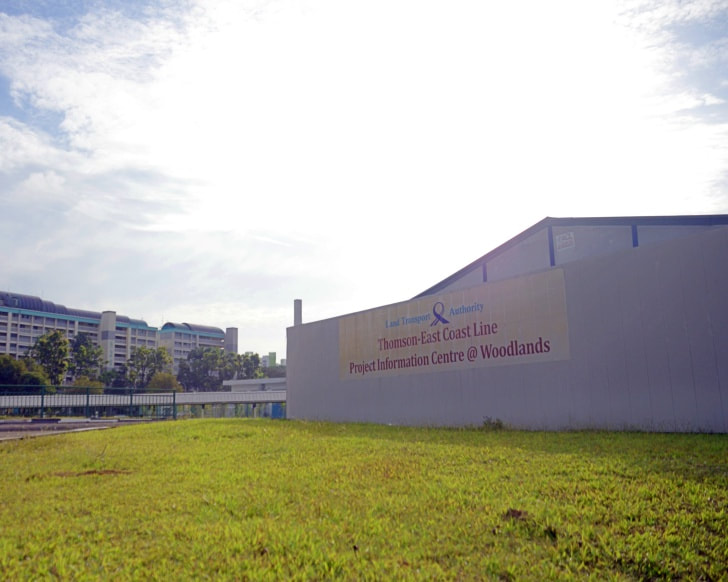 The site for the Woodlands Thomson East Coast Line at Woodlands Regional Centre. Photo: Khalil Adis Consultancy. The site is planned to be seamlessly connected to the existing Woodlands MRT station. As such, the site will enjoy a direct connection to both the Thomson East Coast Line (TEL) and the North South Line (NSL) via the Woodlands TEL station, (TE2). From the TE2 station, commuters can hop onto the RTS Link at Woodlands North MRT station located one stop away to Bukit Chagar station in Johor Bahru. #5: Direct basement connection to TE2 station 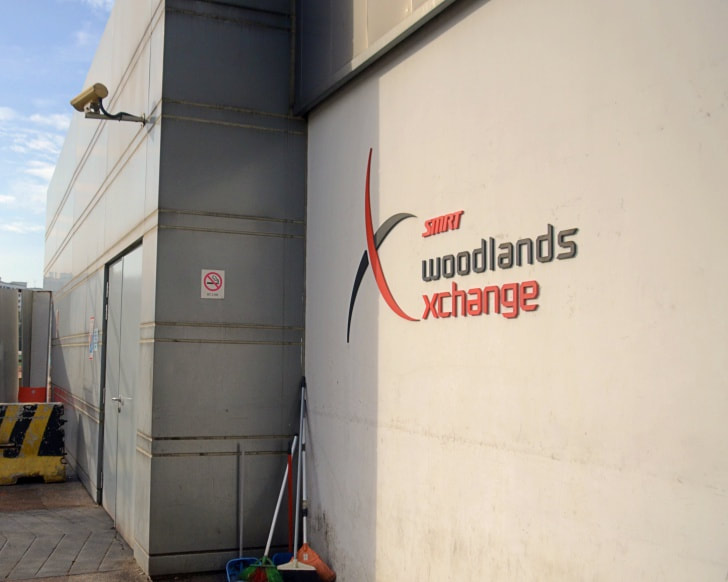 Current construction works that are going on at the Woodlands Thomson East Coast Line (TEL) station, (TE2). Photo: Khalil Adis Consultancy. The new development will have a direct basement connection to the future Woodlands TEL station, providing shoppers and commuters with easy access to the rest of the stations under the TEL. This includes the Central Business District, Marina Bay and the shopping, dining and entertainment options at Orchard Road. #6: 100,000 new jobs 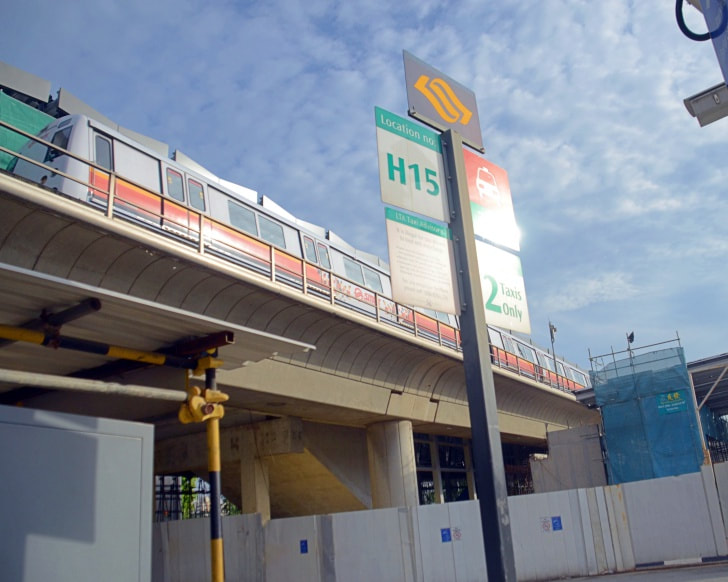 The white site next to Causeway Point and the current Woodlands MRT station will act as a property booster for residents currently living there. Photo: Khalil Adis Consultancy. When fully developed, Woodlands Regional Centre will have about 700,000m2 of commercial space and offer approximately 100,000 new jobs. #7: Innovation district at Woodlands North Coast 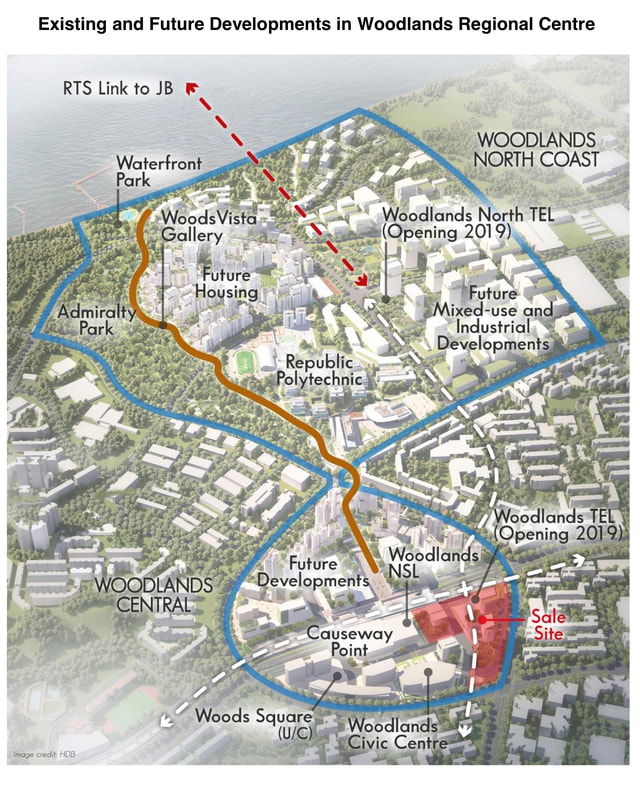 A map showing planned developments at Woodlands North Coast. Graphics courtesy of HDB. Meanwhile, a mixed-use business cluster will be coming up at Woodlands North Coast which will include future industrial and business park spaces. Woodlands North Coast will be served by the Woodlands North MRT station The URA has envisioned it to provide flexible workspaces that encourage experimentation and innovation and are geared towards the needs of both small to medium enterprises and multinational companies. Summary 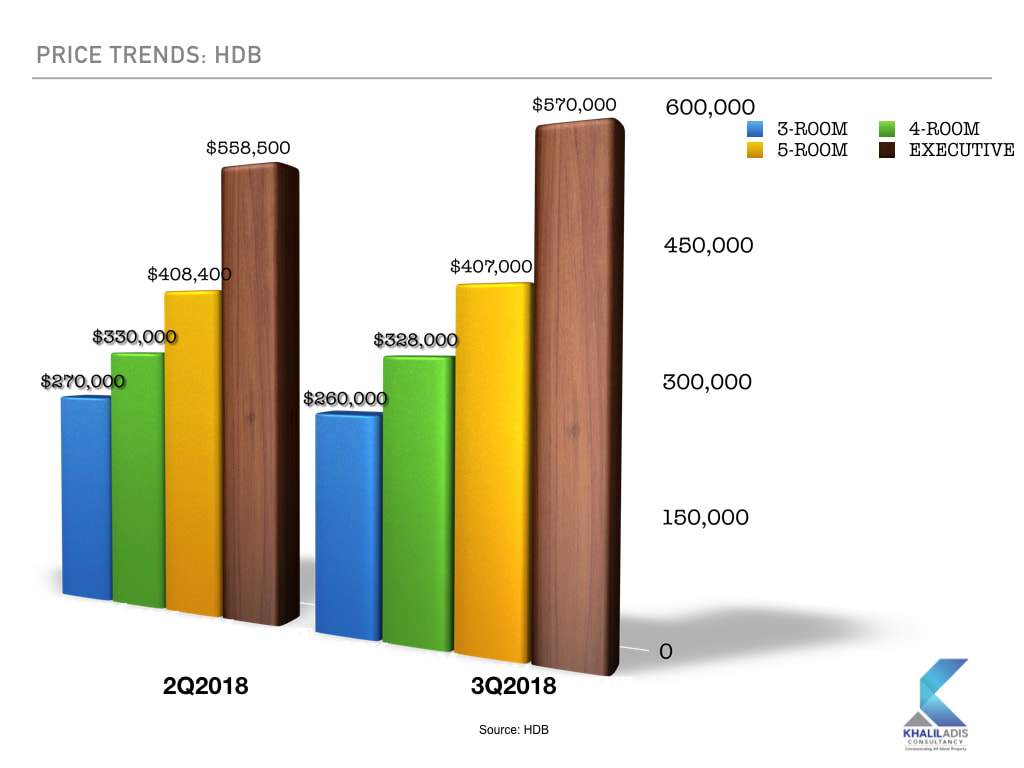 HDB resale prices across the board have fallen except for executive flats. Infographics: Khalil Adis Consultancy. As we can see from the infographics above, prices of HDB resale flats across the board have fallen except for executive flats.
However, the upcoming TEL and developments at Woodlands Regional Centre will act as a property booster for homes in the area. The opening of Woodlands TEL station and Woodlands North MRT station will be the first property booster followed by the rest of the developments that are being planned. Homeowners of 3-, 4- and 5-room HDB flats should hold on tight to their properties in the next 15 years before selling. Meanwhile, it is a good opportunity for home buyers to start their property hunt in Woodlands and wait for the capital appreciation as Woodlands Regional Centre becomes more mature. As for the RTS Link, the Malaysian government has remained committed on completing this project. In fact, this is one of the major infrastructure project that will be carried on under the newly elected Pakatan Harapan government. For a detailed master plan of Woodlands Regional Centre, do check out the URA site here Allianz Real Estate investment in Ocean Financial Centre is part of its strategy to allocate 5 per cent to 10 per cent of its real estate investments to the Asia-Pacific region. By Khalil Adis #1: Ocean Financial Centre is a 43-storey Grade A office tower 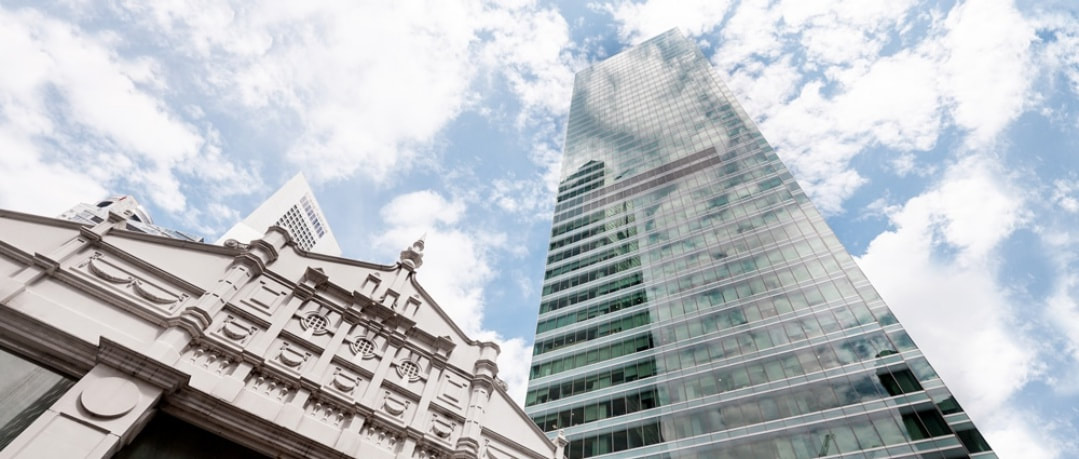 Ocean Financial Centre is strategically located near to Raffles Place MRT station. Photo: Keppel Land The Grade A office tower is located strategically at the intersection of the Raffles Place and Marina Bay financial precincts with retail component on its ground floor and basement level. It is accessible via the Raffles Place MRT station. #2: Singapore’s office market is experiencing strong rental growth 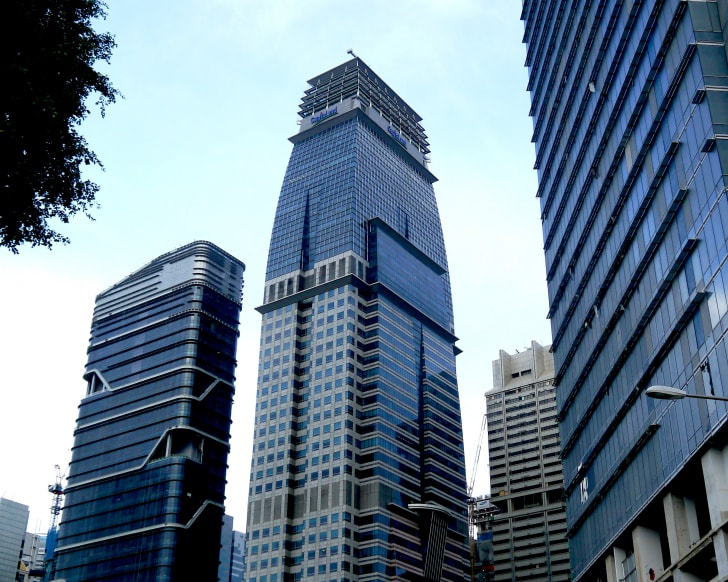 View of office towers in Singapore's downtown area. The Lion City's office market is doing well compared to the private residential and HDB markets. Photo: Khalil Adis Consultancy. While Singapore’s private residential market has been muted by the recent property cooling measures, its office market is doing well. "The Singapore office market is experiencing strong rental growth. From an occupational cost and efficiency perspective it continues to be favourable vis-a-vis other comparable markets like Hong Kong,” said Mr Rushabh Desai, CEO Asia Pacific at Allianz Real Estate,. #3: The divestment is worth S$537.3 million 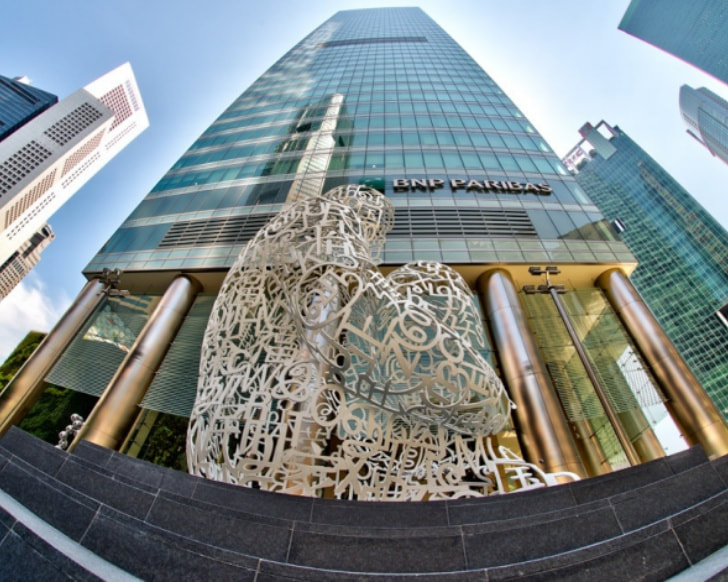 Ocean Financial Centre is a Grade A office tower designed by world-renowned architectural firm, Pelli Clarke Pelli. Photo: Keppel Land According to Keppel REIT Management Limited, the divestment is part of ongoing portfolio optimisation efforts and presents a unique opportunity to unlock value for its unitholders. The divestment by Keppel REIT of a 20 per cent minority stake in its subsidiary, Ocean Properties LLP which holds Ocean Financial Centre, to Allianz Real Estate has an agreed property value S$537.3 million. This is 16.8 per cent above Keppel REIT’s historical purchase price of S$460.2 million. #4: Divestment has a target completion date by end December 2018 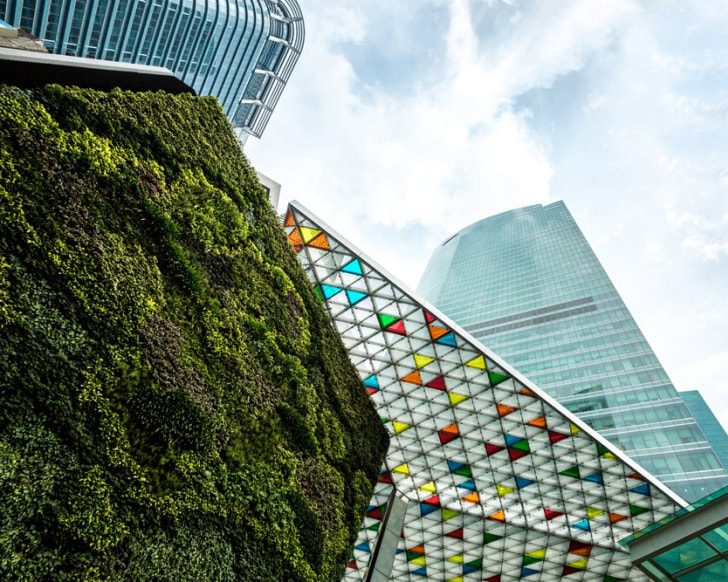 The Ocean Financial Centre Green Wall. Photo: Keppel Land. According to Keppel REIT, it currently holds a 99.9 per cent interest in Ocean Financial Centre through Ocean Properties LLP. Keppel REIT said the divestment is expected to be completed by end December 2018 With Allianz now holding a 20 per cent a minority stake in Keppel REIT’s subsidiary, Ocean Properties LLP, will continue to maintain a majority interest in Ocean Financial Centre through its 79.9 per cent interest in Ocean Properties LLP. Additionally, Keppel REIT said it will continue to be the asset manager for Ocean Properties LLP in relation to Ocean Financial Centre. #5: Unitholders of Keppel REIT set to benefit from the divestment  The divestment will see Keppel REIT realising approximately S$77.1 million of capital gains. Graphics: Shutterstock. According to Tan Swee Yiow, CEO of Keppel REIT Management Limited, the divestment is “in line with our commitment to deliver sustainable total return to unitholders”.
"The partial divestment of Ocean Financial Centre is a unique opportunity for unitholders to realise part of the capital gains from this premium Grade A office building, while maintaining exposure to the strengthening Singapore office market. Despite this being a divestment of a non-controlling stake, the agreed property value reflects the asset's quality and underlying value,” he said in a statement. The divestment will see Keppel REIT realising approximately S$77.1 million of capital gains. This translates to an attractive net asset-level return of 8.3 per cent per annum over the holding period. Singapore's private property market experienced robust growth but was muted midway by property cooling measures. We list down the key highlights in our 2018 property market roundups and our outlook for 2019. By Khalil Adis 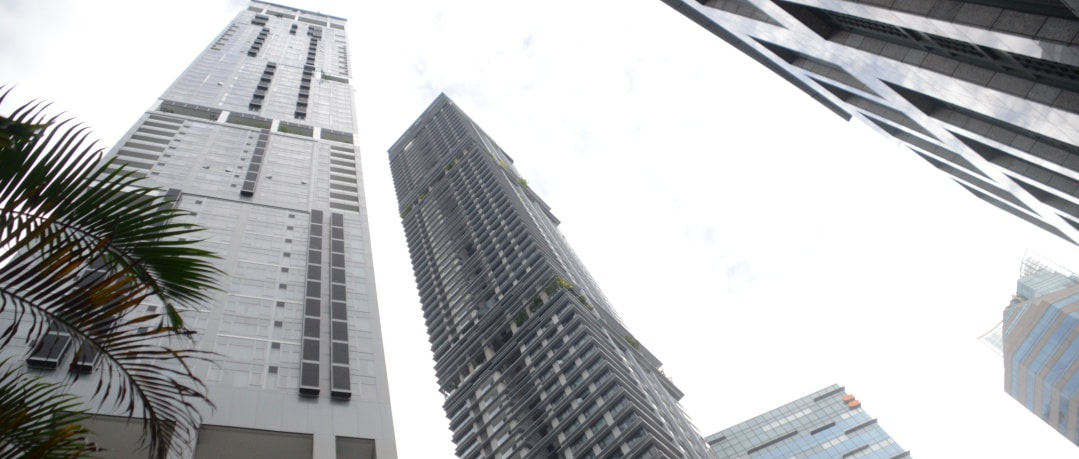 Condominiums located in Tanjong Pagar. The private property market has experienced a strong rebound for the past five quarters. Photo: Khalil Adis Consultancy. Singapore's private property market saw a steep rebound from the fourth quarter of 2017 after many quarters of decline in its Property Price Index (PPI) since the fourth quarter of 2013. Figures from the Urban Redevelopment Authority (URA) showed that the Lion City's PPI surged by 11.0 points from 138.7 in the fourth quarter of 2017 to 149.7 points in the third quarter of 2018. However, the market softened from July onwards post the new property cooling measures. Here are the top five property market roundups for 2018 and our top five outlooks for 2019. Roundups: #1: En-bloc fever 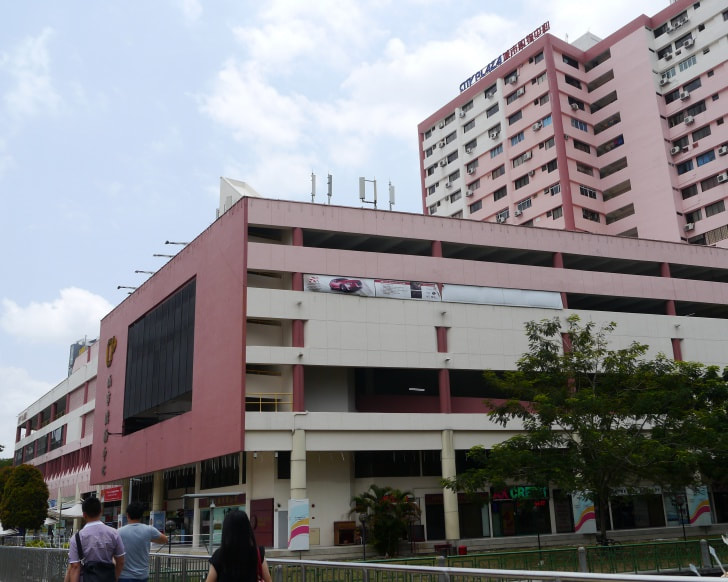 Old estates in Singapore tend to go under en-bloc as part of the city's rejuvenation. Photo: Khalil Adis Consultancy. Singapore's property market was off to a fiery start with several collective sales deal that was concluded during the first half of the year. They included the iconic Pearl Bank Apartments which was sold for S$728 million sales to CapitaLand and Park West which was sold for S$840.89 million to SingHaiyi Gold Pte Ltd. Data from Cushman & Wakefield Inc showed that the collective sales market recorded S$3.8 billion of en-bloc transactions in the second quarter. #2: New property cooling measures introduced To douse the red-hot residential property market, the government announced a slew of property cooling measures in July. This included increasing the Additional Buyer's Stamp Duty (ABSD) rates and tightening loan-to-value (LTV) limits on residential property purchases. The new ABSD rates and LTV limits are as above. As a result, the collective sales market declined with S$353 million worth of transactions recorded in the third quarter, data from Cushman & Wakefield Inc showed. #3: Industrial property market picks up steam 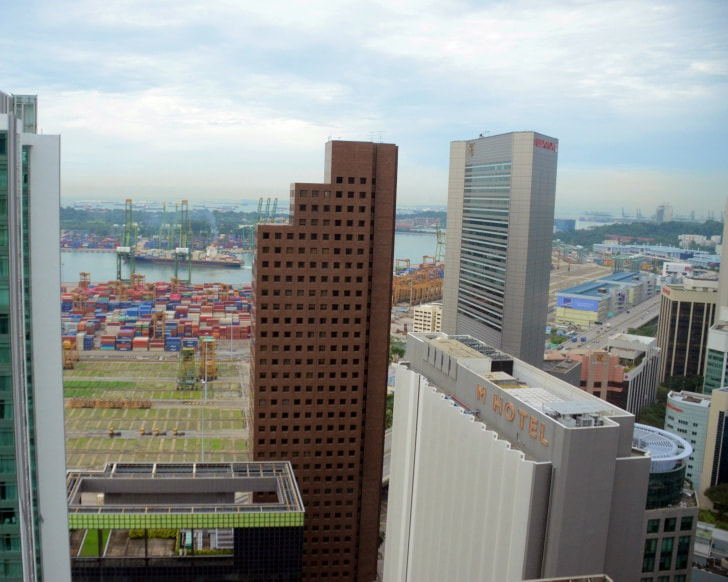 View of the Tanjong Pagar Container Terminal and the industrial properties surrounding it. The industrial property market has seen in increase in investment this year. Photo: Khalil Adis Consultancy. While Singapore's residential property sector has taken quite a hit, its industrial and commercial property sectors are seeing an uptrend in investment sales. According to data from Cushman & Wakefield Inc, industrial property deals soared 73 per cent to S$1.2 billion in the third quarter while office sales increased by 54 per cent to S$2.1 billion. Meanwhile, Jones Lang Lasalle Singapore, citing data from JTC statistics said islandwide all-industrial rental correction stayed modest at 0.1 per cent quarter-on-quarter for three consecutive quarters since the fourth quarter of 2017, while the second quarter of 2018 all-industrial price index flat-lined for the first time since trending down in the third quarter of 2014. #4: HDB resale values are declining 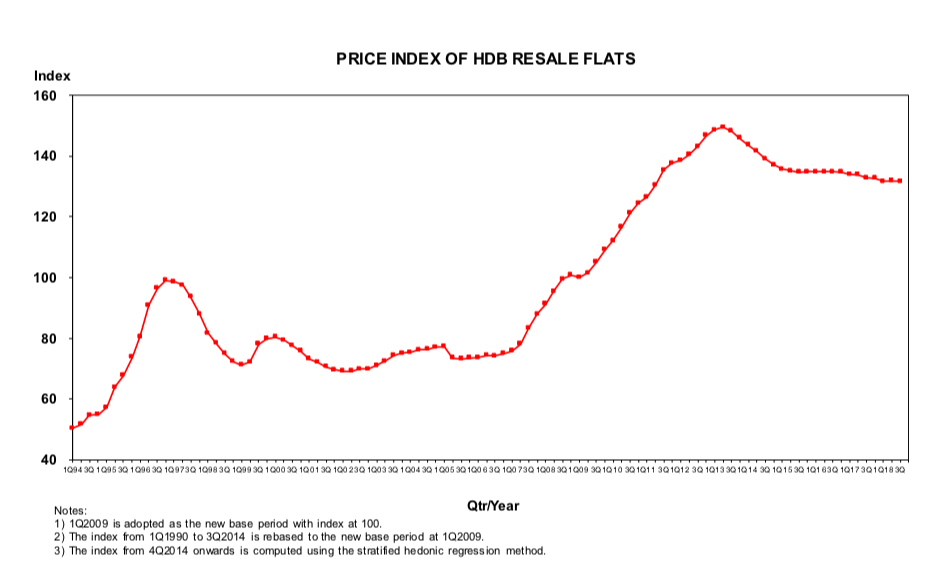 Screen grab of the HDB Resale Price Index courtesy of the Housing & Development Board (HDB). HDB is a hot bread and butter issue among Singaporeans as 80 per cent of the population lives in public housing flat. Public interest in HDB dominated the headlines in 2018 as government officials warned that their values could decline, especially those that are more than 40 years with around 50 years left on their 99-year lease. This marked a stark contrast during Lee Kuan Yew's era when he assured Singaporeans that HDB flats are an asset. Property agents who specialise in HDB flats in mature estates such as Toa Payoh say they are already seeing prices of older resale flats declining as many buyers are staying clear from such properties following the ongoing debate. For example, according to the third quarter data from the HDB in 2018, a 3-bedroom flat in the estate was transacted for S$279, 000. In contrast, the median price during the same period in 2016 was transacted for S$300,000. Having said that, other factors do come into play such as the supply of new Built-to-Order (BTO) flats which has influenced the resale price. However, until the government addresses the uncertainty surrounding older estates, we are likely to see the values declining as it is very much influenced by market sentiment. #5: Widening price gap between a private property and an HDB flat 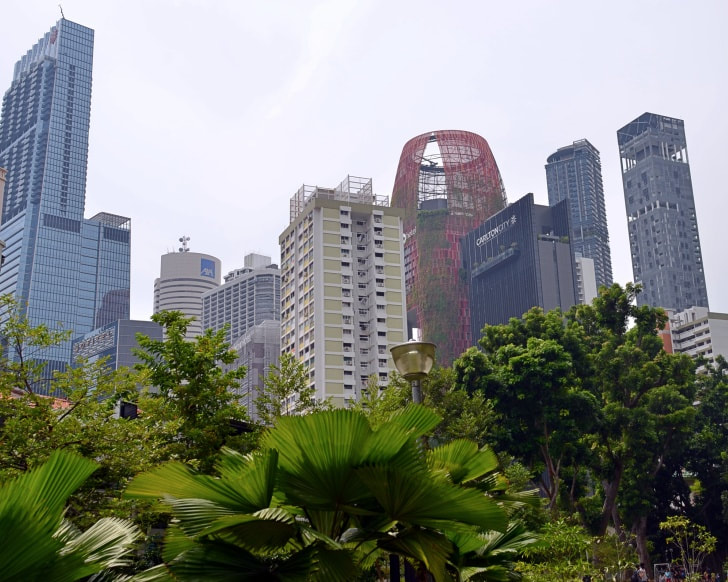 View of an HDB flat in downtown Singapore surrounded by towering condominiums and commercial buildings. Photo: Khalil Adis Consultancy. While the private property market has seen the price index picking up by some 11.0 points, the HDB Resale Price Index (RPI) has been on a decline. According to data from the HDB, the RPI has been on a decline since the second quarter of 2013 as it continues to launch BTO flats in the market. This is the biggest price gap in over 10 years and will likely be a contentious issue when the general election is expected to be called in 2019. Predictions: #1: HDB to become a hot-button issue 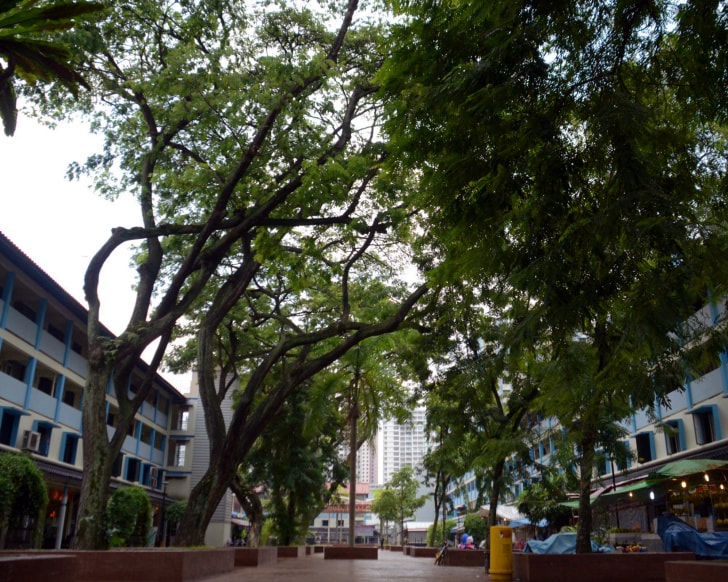 HDB flats located in the mature estate of Toa Payoh. Photo: Khalil Adis Consultancy. 2019 is expected to be an election year. As such, HDB will be a hot-button issue as 80 per cent of the population lives in HDB flats. As we have discussed above, HDB resale prices are already on the decline while the price gap between a private property and an HDB flat has widened considerably. The government will need to address the ongoing debate on the value of older HDB flats moving forward. #2: Fewer BTO flats to be launched 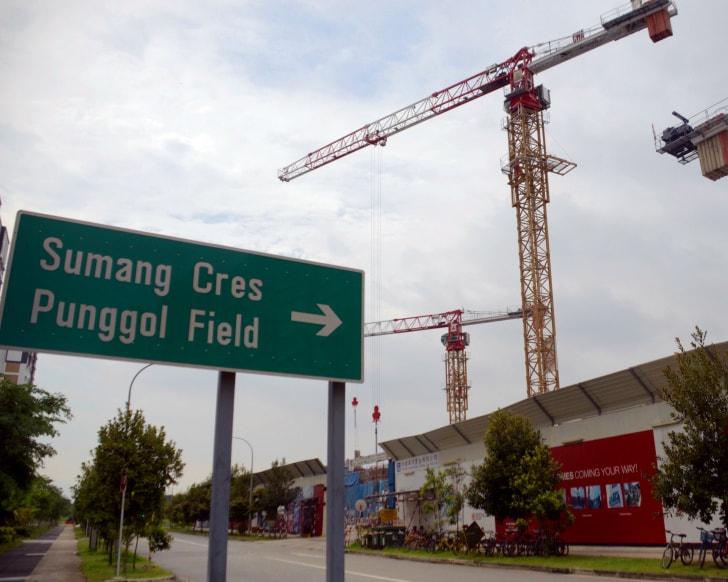 A Built-To-Order (BTO) flat being built in the Matilda district in Punggol. Photo: Khalil Adis Consultancy. In November, the HDB said it launched 7,214 flats for sale under the Build-To-Order (BTO) and Sale of Balance Flats (SBF) exercise. This comprises 3,802 BTO units and 3,412 SBF units across various towns estates such as Sembawang, Sengkang, Tengah, Yishun and Tampines. However, there will be fewer units being offered in the next BTO launch exercise in February 2019. The HDB said it will offer about 3,100 flats in Jurong West, Kallang Whampoa and Sengkang. #3: A sellers' market 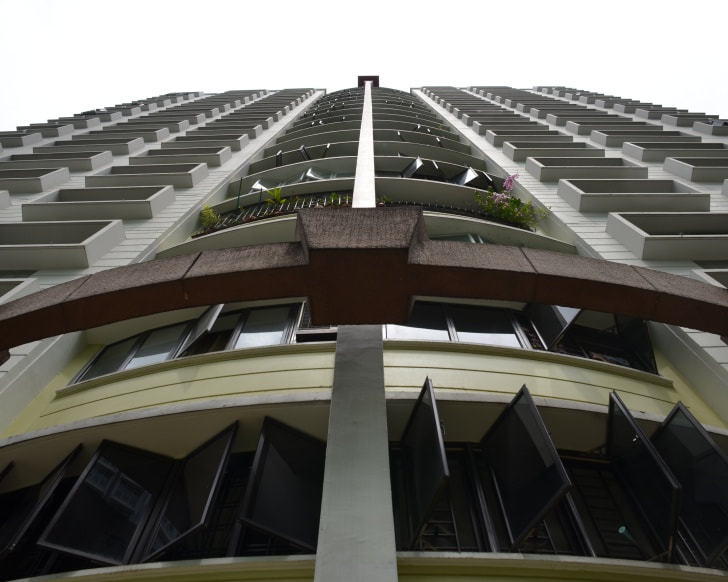 An HDB flat located in Taman Jurong. Fewer BTO flats in the market could push buyers to buy resale HDB flats instead. Photo: Khalil Adis Consultancy. With fewer BTO flats on the offering, this could possibly divert some of the buyers to the resale market and prop up the resale prices which have been falling since the second quarter of 2013. As such 2019 could likely be a sellers' market. Sellers should watch the market closely while buyers should opt for a BTO quickly. #4: Five growth areas 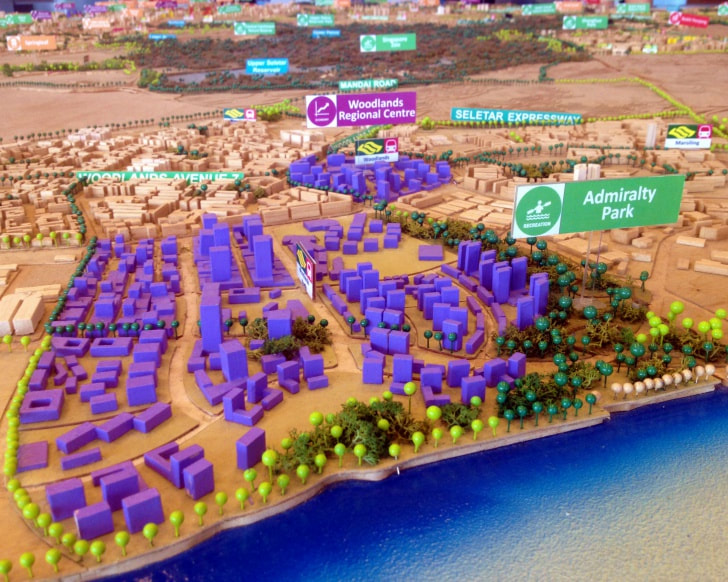 Scale model of the URA Draft Master Plan 2014 showing Woodlands Regional Centre at the URA Building. Photo: Khalil Adis Consultancy. As outlined in the URA Master Plan 2014, the five growth areas are located at Woodlands Regional Centre, Jurong Lake District, City Centre, Paya Lebar Central and Punggol Digital District. Woodlands Regional Centre will be a transportation hub which will connect the Thomson-East Coast Line (TEL) to the Johor-Singapore Rapid Transit System (RTS) via Woodlands North MRT station. Meanwhile, Jurong Lake District will house the High Speed Rail station linking Singapore to Kuala Lumpur in 90 minutes flat. The development of the project has been postponed to two years and will now commence construction in 2020 instead of 2018. Meanwhile, the express service will only commence by 1 January 2031 instead of 31 December 2026, as originally planned. You can read more about URA Master Plan 2014 here. #5: Opening of TEL will provide a price booster for properties along the line 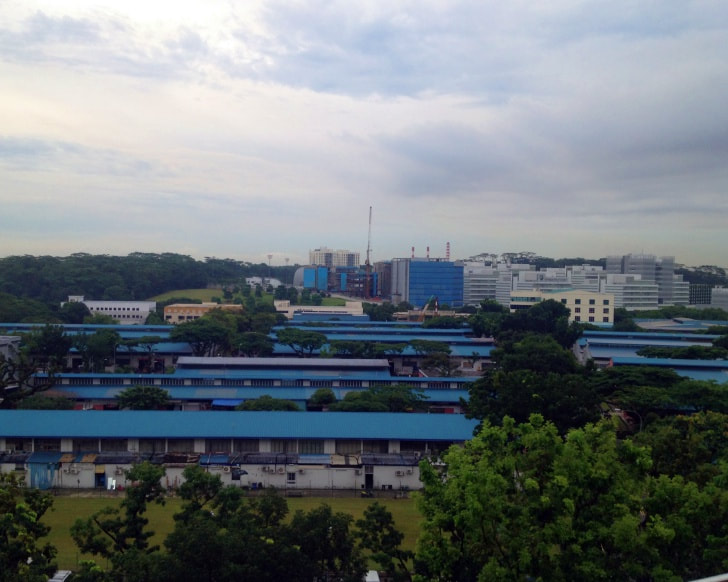 Construction of the Woodlands North MRT station next to Republic Polytechnic. Photo: Khalil Adis Consultancy. The TEL is a 43km MRT Line that will add 31 new stations to the existing rail network, with 7 interchange stations.
It will link to the East-West Line, North-South Line, North-East Line, Circle Line and the Downtown Line. Spanning from Woodlands North to Sungei Bedok, the line will be opened in stages next year. Stage one will comprise stations from Woodlands North to Woodlands South. As such, properties in the Woodland Regional Centre as highlighted above will be among the first to enjoy the price booster when the stations commence service next year. This will definitely be much to cheer about in the north amid the muted HDB resale market. A cautionary property tale of joint tenancy, abuse and escaping to a safe haven. By Khalil Adis 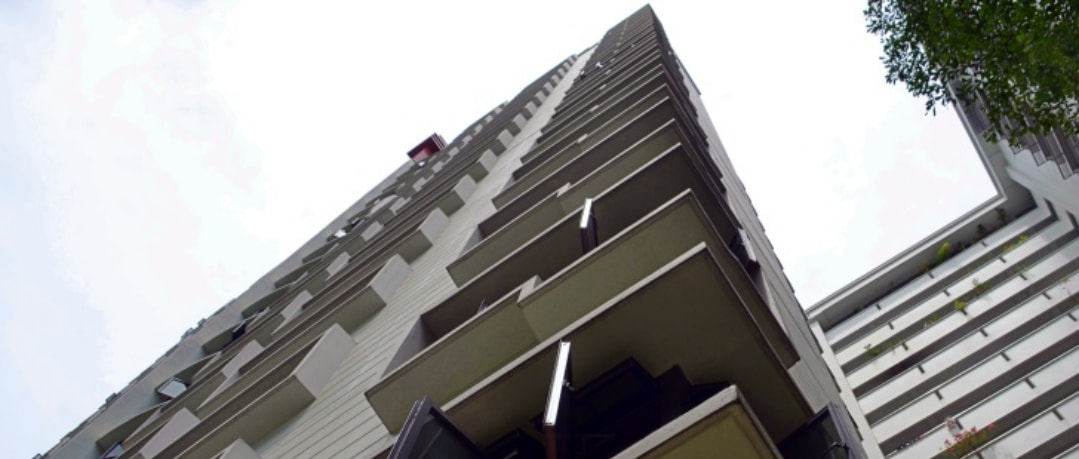 Our former home in Taman Jurong where my mom and I used to live. Photo: Khalil Adis Consultancy As I watched Incident in a Ghostland last night from the comfort and safety of my home, I cannot help but notice some parallels between the characters and myself. This psychological horror drama thriller film tells a story of how a mom and her two daughters were ambushed in their home by murderous intruders. One of her daughters, Beth, conjured up a dream while being physically abused by her sadistic captors in a bid to escape her trauma. Still being held captive by the intruders, she would go on to write a bestselling book of the same title in the imaginary world that she had created. For me, however, the abuse that my mom and I had encountered was not a work of fiction. As a way to deal with it, I wrote a book called Property Buying for Gen Y which would then go on to become a bestseller and was a turning point in my career. While my story is nothing like Incident in a Ghostland, the physical, psychological and emotional scars still remain until today. History of abuse 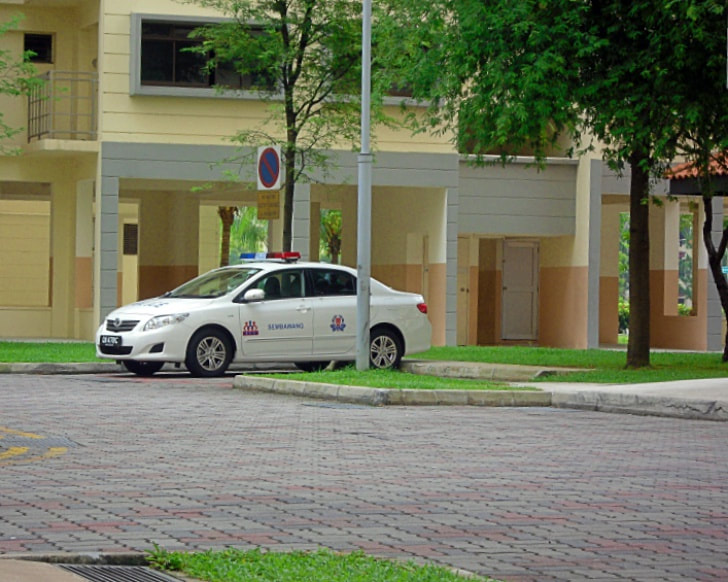 A police patrol car in Taman Jurong. The abuse was so bad we had to lodge a police report. Photo: Khalil Adis Consultancy It is hard to believe a family member that I initially grew up with can turn out to be so abusive. My parents had divorced and as a result, we were living with our guardians. My mom and I lived with an uncle while the other family member, was sent to live with another uncle, owing to her very difficult behaviour. We then got a flat together in Taman Jurong where I was living my mom and this other family member when I was around 18-years-old. I remember thinking - “Finally! We have a place to call our own.” However, little did I know this family member would turn out to become a monster. The first instance of abuse occurred when I was kicked out of home at 21-years-old. I recall having my bag thrown out of the house and living temporarily at the police station where I was posted at for my national service. Back then, I did not know any property laws and did not know any better. I then rented a place for a while near to Admiralty MRT station. To pay for my rent, I would give tuition. The subsequent abuse happened in 2014 when the family member came back with her family after having lived overseas. My mom and I were on the constant receiving end of abuse, bullying and threats to kick us out of our family home. Mind you, I was paying for the mortgage and taking care of my mom. Things got so bad that my mom and I had to lodge a police report and sought help from my MP Tharman Shanmugaratnam. Thankfully, I now have my own home and a safe place for my mom and I away from the abuser. I subsequently dedicated Property Buying for Gen Y to my MP. Complications of joint tenancy  A joint tenancy agreement can lead to a sink or swim situation for property owners. Photo: Shutterstock While you can walk away from a relationship, it is not so straightforward when it comes to property matters with a family member. This is especially so if the property is held jointly as in the case of my mom and this family member. Under a joint tenancy agreement, two individuals agree to jointly hold a property. While this is the most common method of ownership as it is less costly, a joint tenancy exposes one family member to the financial risks, liabilities and other problems created by the other family member. In my case, since moving to another country, this family member has not been paying for her mortgage since 2011. My uncle had intervened with the agreement that I pay for the mortgage until I got my own home. However, once I received the keys to my home, the other family member became uncontactable. The HDB subsequently contacted us and told us this family member cannot pay for the house and wants my mom to take over the mortgage. As a result, my mom now bears the burden. We then decided to put up the home for rental as my mom is not working and is ill. The rental income is now helping to cover the mortgage as well as for my mom’s savings. We also paid the other family member her portion less expenses. However, the constant threats from the abuser still remain. If you are among the unlucky few who happen to own a property jointly with a toxic family member, this is what you should do. #1: Have proper documentation  Ensure you have all your documents in black and white so it can be tendered as evidence in court. Photo: Shutterstock Having a problematic joint tenant will likely end up in a legal battle. Therefore, you need to have proper documentation in case it does end up in court. This includes whatever payments that you have been paying for the upkeep of the home, property tax and so on. Other useful documents including emails detailing a pattern of abuse, police reports and other documents to show that the other party has not been paying their home mortgage. Having all these documents will help bolster your case should it end up in court. #2: Speak to a lawyer  When it comes to a joint tenancy agreement, the right of survivorship means that the other family member takes control of the whole property when the other party passes away, This can be very problematic when you are dealing with a family member who has not been paying and is abusive. Speak to a lawyer on what your options are so that you are fully prepared should a death occur in your family. #3: Do not react  Instead of reacting, choose how to respond to the situation in a tactful manner. Image: www.keepcalm-o-matic.co.uk An abusive person needs to be in control and instigating a fight is one such way of doing so. While it can be very difficult to not react when the other person is shouting and accusing, you need to realise that the other person is not acting rationally By not reacting, you have taken away their power to push your buttons. Stay cool and take the high road all the way. #4: Minimise contact  By minimising contact with the abuser, you are ensuring your own safety and that things do not escalate out of control. Focus only on the points concerning the house and steer clear from any arguments. Do not get sucked into the drama. #5: Learn to forgive  The lotus flower symbolises love, courage and the practice compassion. Photo: Khalil Adis Consultancy No matter what has happened, each person deserves to be happy. When I speak about forgiveness, it is not for the other person but more for yourself. By learning to forgive, the other person no longer holds any power on you. I remember how empowering it was when I moved to my own home as the other family member now can no longer bully my mom and I. You have the right to be treated with respect, to be safe and to have a wonderful life away from the abuser. Seek help 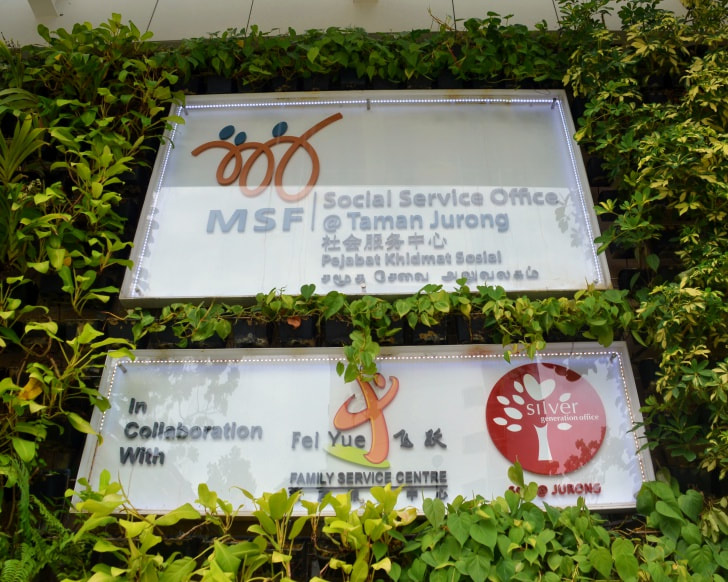 The Ministry of Social and Family Development have various branches in Singapore. Photo: Khalil Adis Consultancy. The Ministry of Social and Family Development defines violence as physical injury, direct or indirect threats, sexual assault, emotional and psychological torment, damage to property, social isolation or any behaviour which causes a person to live in fear.
My mom and I have experienced some of those forms of abuse described. While it is hard to believe that your own flesh and blood can turn their back against you, family violence is very real. In closing, it is my hope by sharing this cautionary tale that others in a similar situation will be spared the agony of what my mom and I have had to endure. If you have a family member who is abusive or know a family who is being abused, do not hesitate to call the authorities. You can find out more at Break The Silence. |
Khalil AdisAn independent analysis from yours truly Archives
July 2023
Categories
All
|
 RSS Feed

100 Peck Seah Street
|
|